

How do you successfully keep aquarium plants?
Dying or poorly growing aquarium plants are caused by a deficiency or excess of CO2, nutrients, or light. They could also be paludarium plants, which will die within two weeks if completely submerged.
Why do aquarium plants die?
Aquarium plants don't just die. There are several reasons why they don't grow well or die. Here are the most common problems:
-
Incorrect lighting conditions: Aquarium plants need sufficient light to grow. Too little light can cause them to grow slowly and stretch out. Too much light can lead to algae problems.
-
Insufficient or excessive CO2 levels: Plants need CO2 for photosynthesis, but it must be in balance. Too little CO2 can stunt plant growth, while too much CO2 can be harmful to fish.
-
Incorrect nutrient dosage: Plants also need nutrients such as potassium, phosphate, and nitrate. A deficiency or excess of these nutrients can affect growth.
-
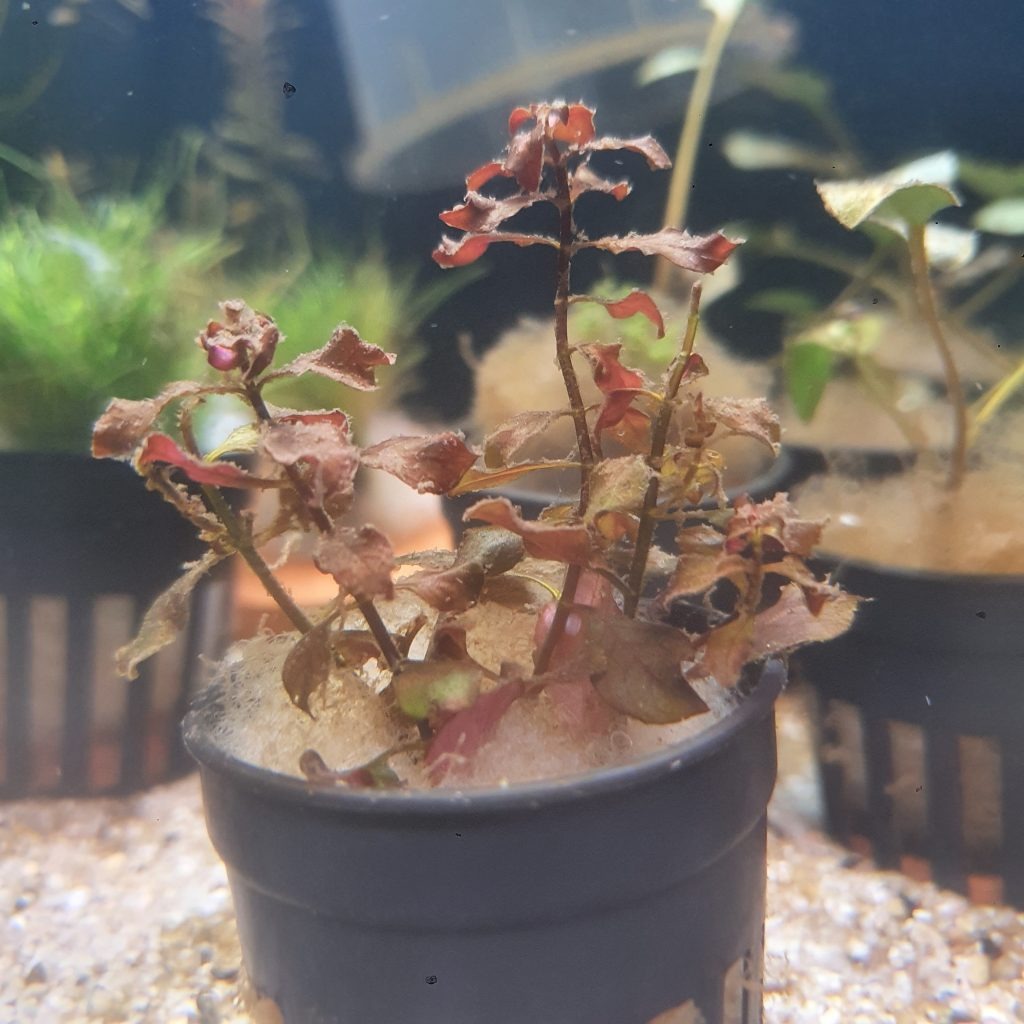
Emersed plants: Some aquarium plants are grown above water and may have difficulty adjusting to underwater conditions. These plants can die within two weeks if completely submerged.
Restore balance in your aquarium if you notice plants aren't growing well. This prevents algae problems and diseases, and ensures an attractive aquarium.
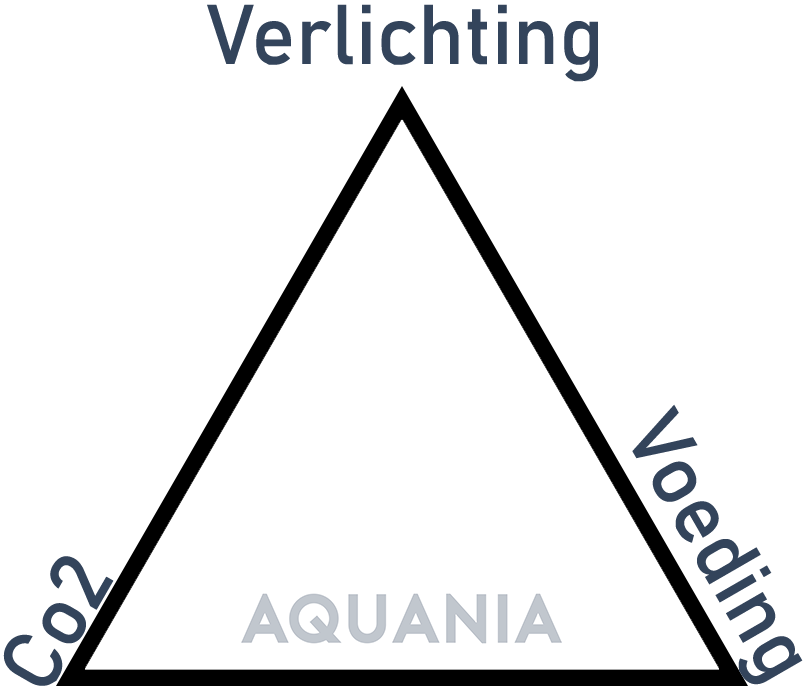
Aquarium Plant Troubleshooting Model
If you don't know why your aquarium plants aren't growing well, it might be helpful to use the following model:
-
Light: Provide adequate lighting in the aquarium. Adjust the light color based on the plants' needs.
-
CO2: Maintain an appropriate CO2 level in the aquarium. Add CO2 as needed, but be careful not to overdo it.
-
Nutrition: Ensure the correct dosage of macro- and micronutrients. Consider the needs of different plants.
This model helps you gain insight into what your plants need and how you can help them grow.
Light requirements for aquarium plants
Light is one of the most important factors for the growth of aquarium plants. Here are a few tips to keep in mind:
- Provide sufficient light in the aquarium. Insufficient light stunts plant growth and can cause stretched plants.
- The color of the light is important. Red plants, for example, need more blue-white light. The reflection of light determines the plant's color.
- The aquarium's location can also affect the lighting conditions. Light reflection can occur if the walls are white.
This cutting was placed at the back of the tank and received very little light, resulting in rather sparse growth. It needs time to root, which usually takes some time. The aquarium's location really influences everything.
The light color
Remember that the color of the light affects the plant's growth. This is why we see a red plant as red and a green plant as green: because they reflect these colors!
At the other end of the light spectrum, colors are absorbed much better. Red aquarium plants require a lot of light and thrive best under cool, blue-white lighting.

Plant nutrition for aquarium plants
Just like you, plants need nutrients to grow! Pay attention to the following two types of nutrients:
- Macronutrients: These are the most important nutrients such as CO2, nitrate, potassium, and phosphate. A deficiency of these nutrients can affect plant growth.
- Micronutrients: These are nutrients that plants need in smaller quantities, such as iron, zinc, and boron. A deficiency of these nutrients can cause problems.
Make sure you maintain the right balance of nutrients. Don't overfeed or underfeed.
Deficiencies in aquarium plants
| Shortage | How do you recognize this? | What does the plant need? |
|---|---|---|
| Nitrogen (Nitrate) | Fading leaves, algae blooms, slow growth | Nitrate-rich food |
| Phosphorus | Dark spots on leaves, weak growth | Phosphorus-rich fertilizers |
| Potassium | Brown or wilted leaves, limited growth | Potassium-rich fertilizers |
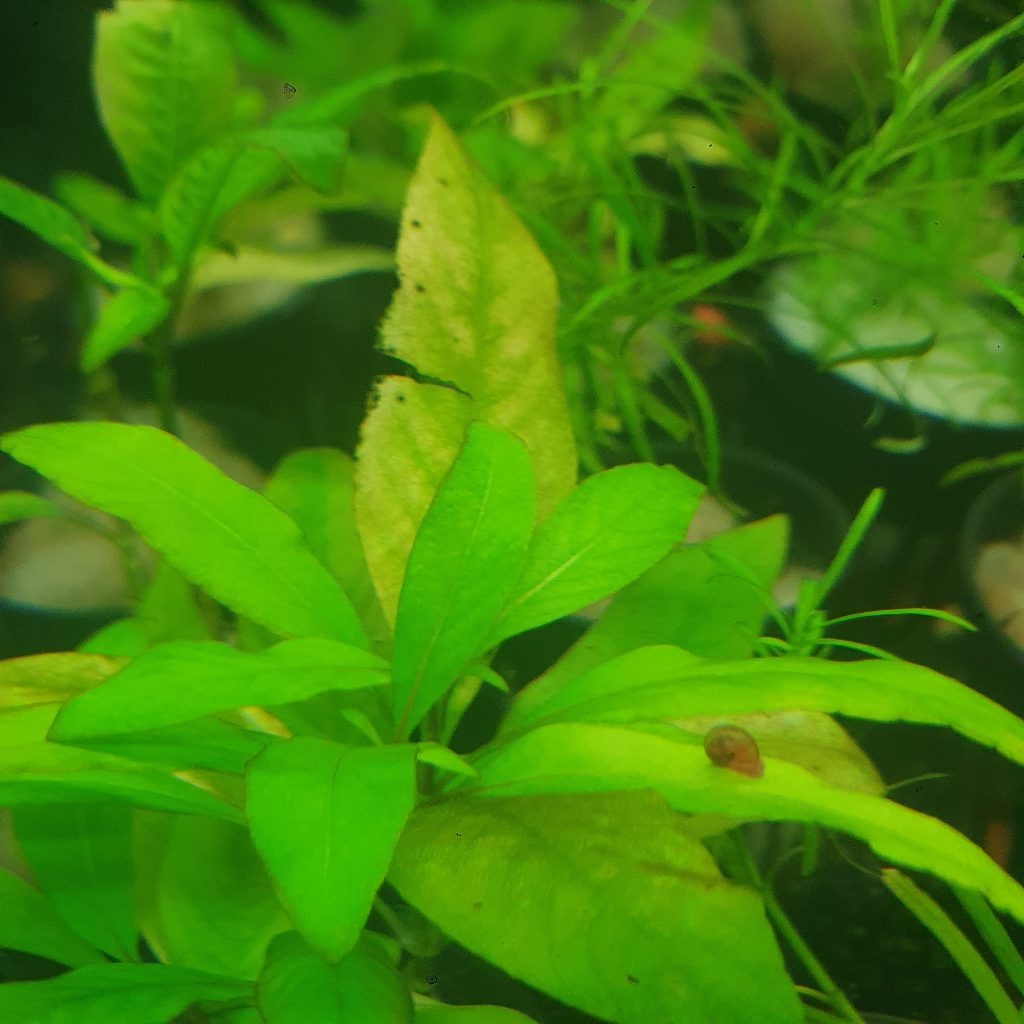
| Iron | Yellow leaves, especially the young leaves | Iron chelate (micronutrient) |
| Magnesium | Yellow discoloration between the veins of leaves | Magnesium-rich fertilizers |
| Light | Elongated growth, pale leaves | Improve the lighting |
| CO2 | Slow growth, leaves with holes | CO2 addition (for example via a CO2 system) |
📲 Questions? Add us on WhatsApp > 📲
Emergently cultivated plants and their adaptation to the aquarium
Some aquarium plants are grown above water and need to adapt to underwater conditions. These plants may lose some leaves initially. This is normal and usually takes a few weeks for them to grow well. Make sure you acclimate these plants gradually to the underwater environment.
If you follow these tips and ensure the right lighting conditions, CO2 levels, and nutrients, you'll find your aquarium plants grow healthily and beautifully. This way, you can enjoy both your plants and your aquarium!
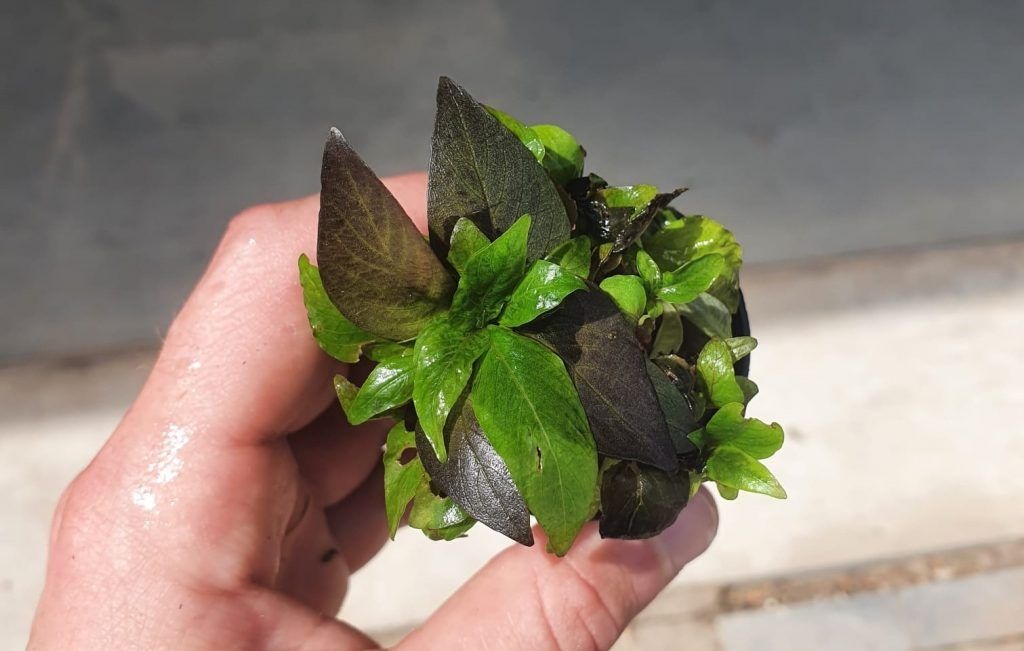
This is a Hygrophila Compacta Mini, and it has developed above-water leaves in the nursery (the dark leaves).
📲 Questions? Add us on WhatsApp > 📲


