

Why is your aquarium plant losing leaves?
Aquarium plants can lose their leaves due to a lack of CO2, inadequate lighting, or the transformation from their above-water to underwater form. This problem, also called autofragmentation or stem rot, is usually easy to solve.
Sometimes aquarium plants struggle, perhaps losing all their leaves within a week or two. Or things go well for a while, and then you suddenly see a leaf disappear, only to discover the entire plant is gone.
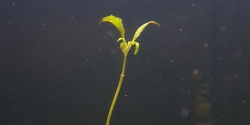
Autofragmentation or stem rot in aquarium plants
When an aquarium plant loses leaves or stems, it's often due to a lack of CO2 or water flow. This phenomenon is called autofragmentation or stem rot. Fortunately, plants exhibiting these symptoms can often be saved.
You can help a plant with stem rot by cutting off the rotten, soft part and replanting the plant in a better environment. If you see a CO2 problem throughout the tank (often accompanied by beard algae), reduced light can reduce the plant's CO2 needs.
Can plants that no longer have leaves survive?
If you notice a plant is bare, look at the roots. Healthy, vibrant roots indicate life within the plant. Brown, soft roots mean the plant is likely beyond repair. When you purchase an aquarium plant, you're essentially buying the root system, not the top. This is where the plant's life and nutrient absorption reside.
Look closely at the roots of a plant that has been pulled from the soil. If you see white roots, the plant is still alive and capable of producing new shoots or leaves. If the roots are brown and have no white roots at all, the plant is unfortunately rotting. This could also indicate that your soil is silted, which is causing a lack of oxygen for the roots.
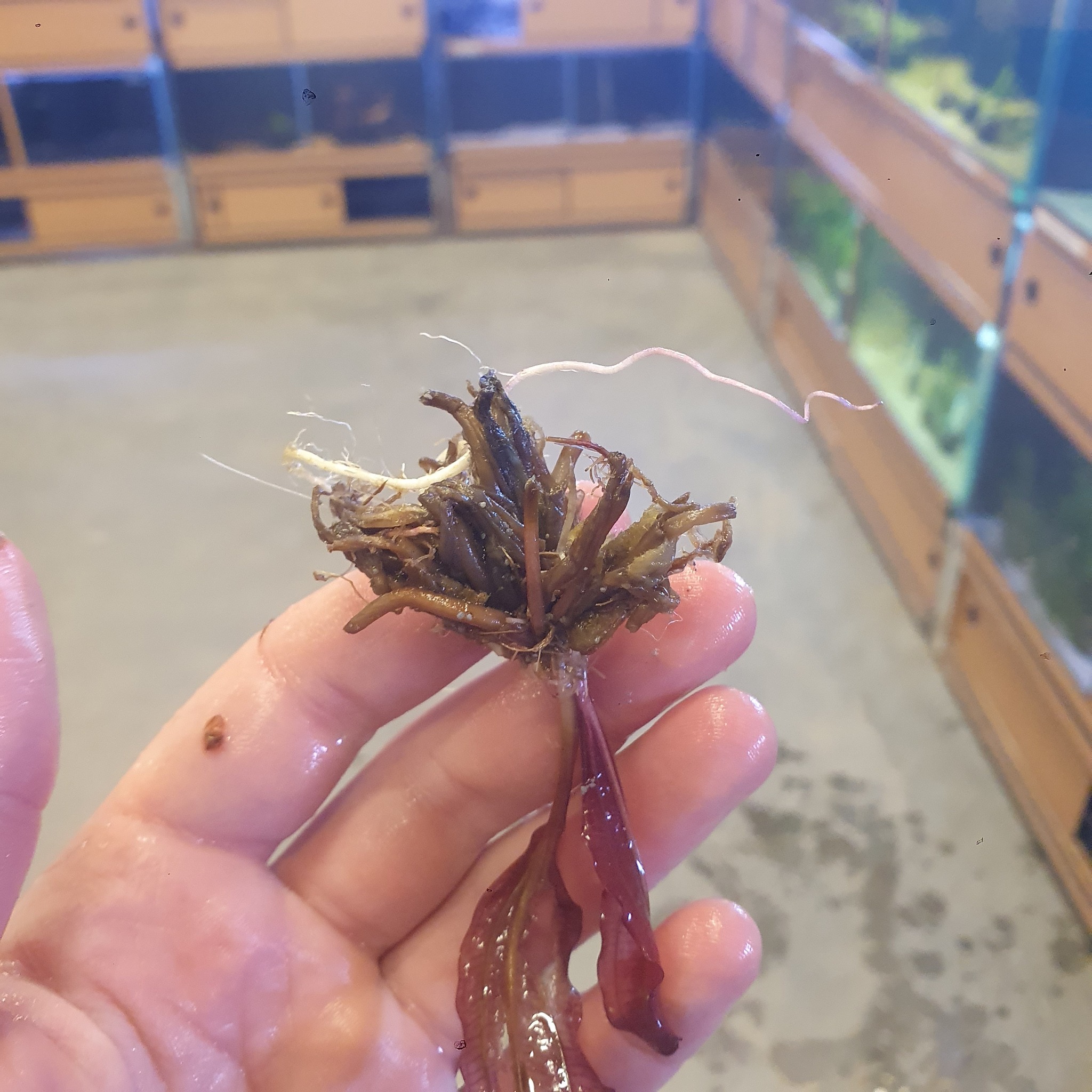
Leaf and stem loss due to CO2 deficiency
Aquarium plants often lose their lower leaves due to a lack of CO2. In nature, this allows them to drift to a more oxygen-rich environment. In an aquarium, where drifting isn't beneficial, they drift around, which can create a messy appearance.
You can solve this problem by increasing the flow around the plants, giving them access to oxygen-rich water. Adding CO2 can also help, but do so with proper guidance, as outlined in our blog post about increasing CO2 in an aquarium. Keep in mind that aquarium plants need up to two weeks to adjust, so don't expect immediate results.
Newly purchased aquarium plants losing their leaves?
It's common for newly purchased aquarium plants to lose their leaves within a few weeks. Experience has shown that one in three plants doesn't survive. This is because plants are grown in two ways: above water and underwater. If you purchase plants grown above water, they will revert to their underwater form.
Want to know more? We've written a comprehensive article about these emersed and submerged plants, with helpful tips on how to deal with plants that are melting.
Does lighting influence leaf loss?
Some large aquarium plants block light from reaching lower leaves and foreground plants, resulting in unhealthy growth. This is often seen with larger plants like Nomaphila, which block the light.
By adjusting your lighting accordingly—for example, by using new LED lights close to the water's surface—you can achieve significantly better results. Don't forget to experiment with the light requirements of different plants and their placement in your aquarium. This way, you'll create the perfect conditions for lush plant growth.
A rhizomatous plant like the Anubias loses leaves
Rhizomatous plants like Anubias can lose their large leaves if they're tied too tightly or planted too deeply. Organic debris in the soil can cause clogging, depriving the roots of oxygen and causing them to rot.
To prevent this problem, plant rhizomatous plants in a location with sufficient water flow and minimize the risk of stagnant water. If you're planting them on wood, it's better to glue them down rather than tie them down. For example, see how we glue Anubias and Java fern to wood on our website Aquania.nl under the heading " Plants on ornaments ."
Do you have any questions or would you like to share your own experiences? Feel free to contact us via WhatsApp !


