

Aquarium plants for beginners, do you know them?
If you're looking to start keeping an aquarium, I recommend keeping it as simple as possible. You can do this by keeping your plant life low-tech. Low-tech means aquarium plants that require minimal additional equipment, such as CO2, plant food, and strong lighting.
Green aquarium plants are generally easier to care for for beginner aquarists. Think of Lyssimachia, Hygrophila, and Cryptocoryne species. Be careful with bottom-dwelling plants, as they often require more light, CO2, and plant food.
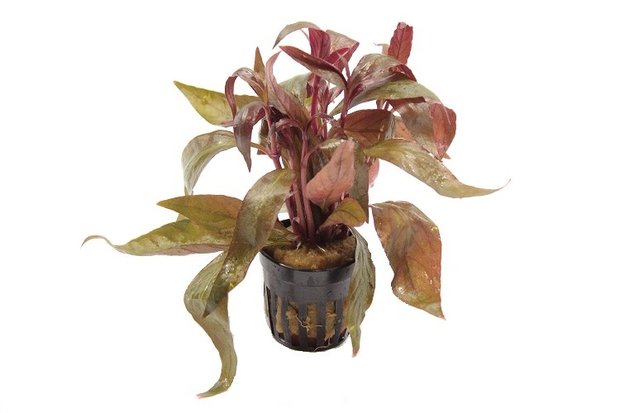 Red aquarium plants require more CO2 and lighting. Therefore, they are not recommended for beginners. If you do want a red plant, choose Alternanthera Rosaefolia , which is the easiest of its kind.
You can always try out different aquarium plants. That's how you learn the most and might even achieve a nicer end result. After all, only by trying will you know if something works or not. And if you test it afterward, you'll know why it didn't work!
So, want to try out some random aquarium plants? We sell them with huge bulk discounts and new promotions every day.
What are the best foreground plants for beginners?
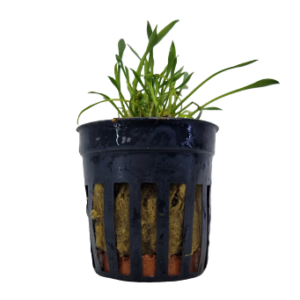
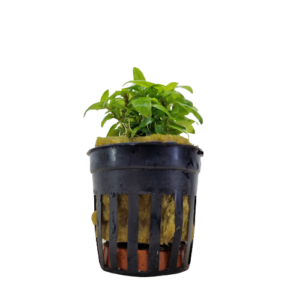
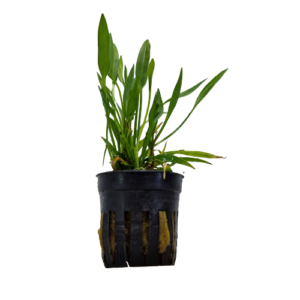
The foreground is the most difficult zone to find good plants for beginners. This is because the light has to penetrate much deeper. There's also less gas exchange lower down in the aquarium, meaning less CO2, which is precisely what these plants need. I've selected a few for you that are worth trying!
|
 |
|
These three foreground aquarium plants are super easy to care for and don't require much light or nutrients. If you feed them, they'll grow better! Place them under normal lighting and they'll thrive.

If you're looking for a bit more of a challenge, you could also opt for the Micranthemum Montecarlo. This aquarium plant is a real trend! And that's no surprise, because the Montecarlo is ideal for aquascaping. This ground-dwelling plant transforms a bare substrate into a veritable carpet. It's a bit more challenging to maintain than the plants mentioned above, but it's still worth a try.
Want to try this plant? You can! Distribute it in clusters in your aquarium and use as many as possible to avoid any potential side effects. This is also why we offer large bulk discounts, because we know you need more than one of this plant to make it a success.
Do you have a question about your aquarium?
Need quick answers to your aquarium questions or help solving a problem? Send us a message via WhatsApp and get instant advice from our aquarium experts! Click the link below to chat:
We're here to help you take your aquarium experience to the next level!
Which beginner plants for the mid-zone?
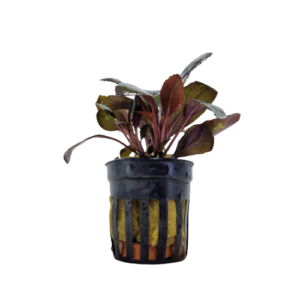
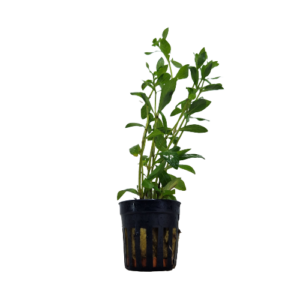
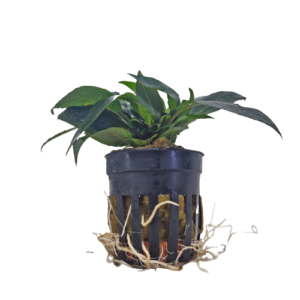
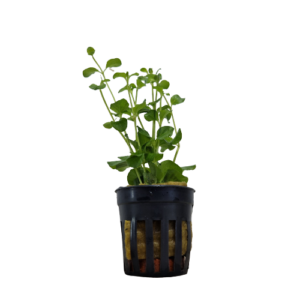
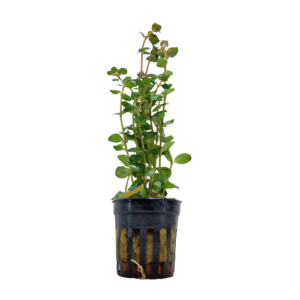
For the middle zone, you can choose a slightly more colorful aquarium plant. The middle zone often catches much more light than the foreground or background. This is because the light tubes hang in the center of the canopy. As a beginner, you also have a slightly wider selection of aquarium plants for the middle zone. Here they are:
|
|
|
|
|

These are usually the six plants I recommend for a beginner aquarium. Why these particular plants? They're among the most common aquarium plants, so there's plenty of information available if you're having trouble keeping them successfully.
However, if you're looking for a bit more of a challenge, you could try the following plant:
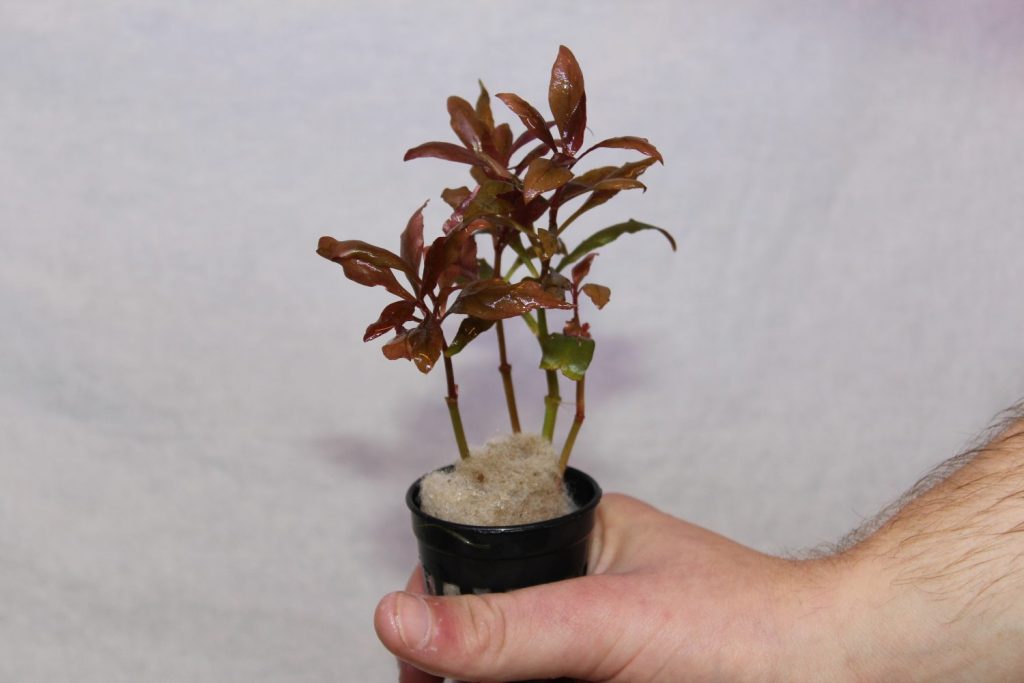
This red aquarium plant is a bit easier to care for than the other red varieties, but it's also a bit more challenging than the aquarium plants mentioned above. This is an Alternanthera Rosaefolia.
What are easy beginner plants for your aquarium background?
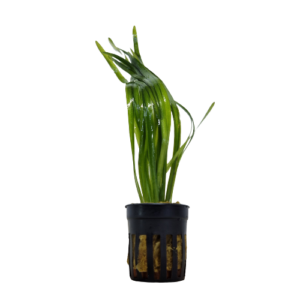
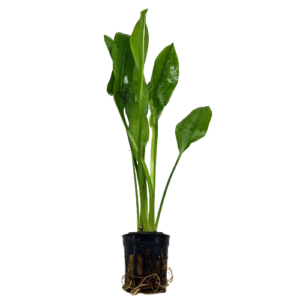
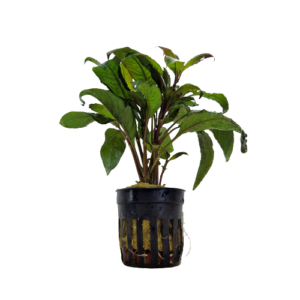
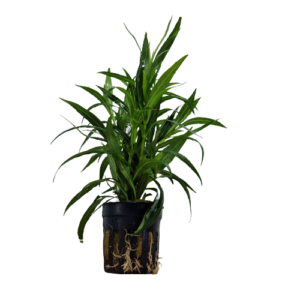
The back of the aquarium is where you'll find the easiest aquarium plants to keep. This is because they grow closer to the water's surface and therefore absorb more light. However, you need to be careful with these plants that they don't grow too much and develop nutrient deficiencies! If you have any questions, please contact us via WhatsApp .
Some easy background aquarium plants:
|
|
|
 |

|

|
There are many more background plants that are easy to keep, but unfortunately they don't all fit in this list, otherwise the page would become too long.
Want to see all the aquarium plants? Then check out our category page where you can buy affordable aquariums .
What should you pay attention to when buying aquarium plants for the first time?
As a beginner aquarist, you don't want to fall into a cycle of making mistakes. That's why I've compiled a list of things to keep in mind when buying aquarium plants for the first time!
Look out for holes, rotten leaves and mold on the plant!
It's normal for aquarium plants to lose their leaves within four weeks of being placed in an aquarium. They're grown above water, and once they're submerged, they take on a different shape.
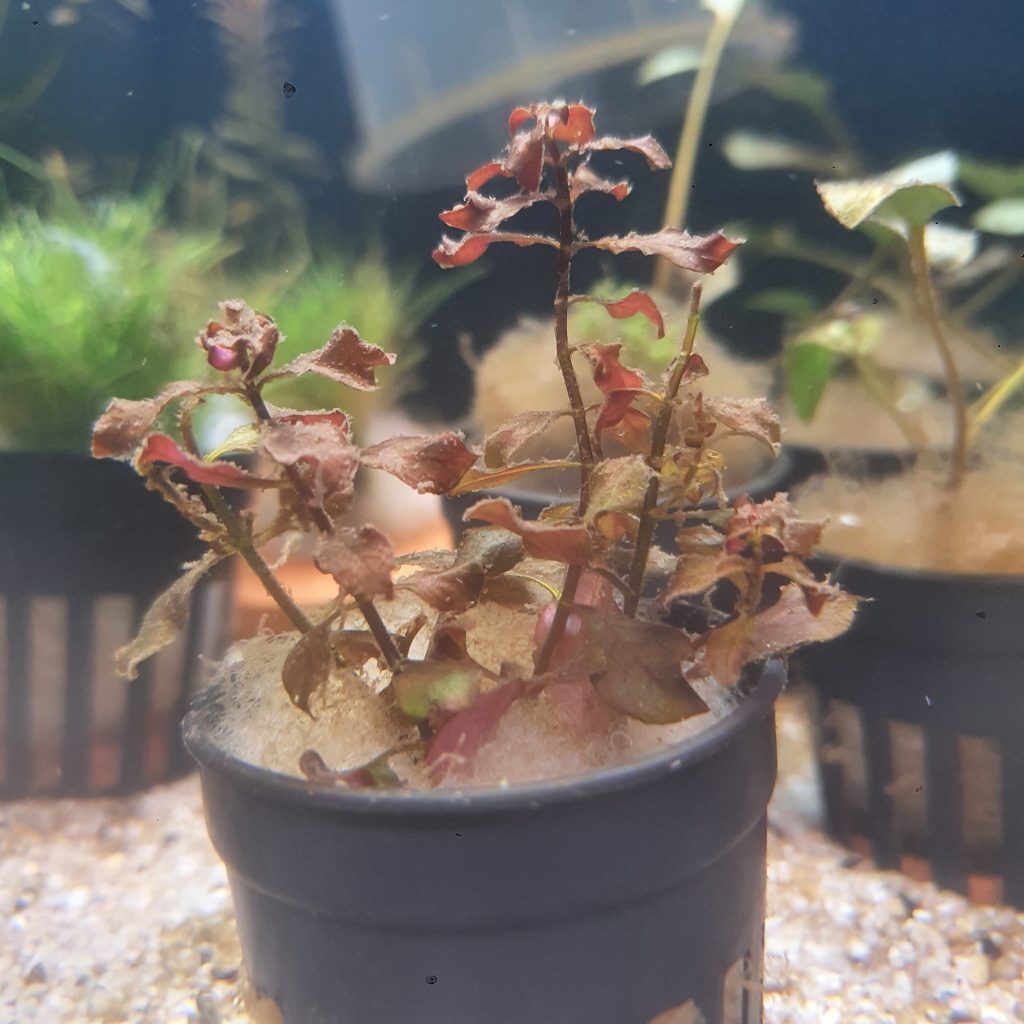
This plant is clearly nearing its end…
But be sure to check for black spots or holes in the leaves that indicate a deficiency. This isn't necessarily a bad plant, but the aquarium you buy it from likely has a nutrient deficiency. And you don't want to start your aquarium off with an imbalance!
Avoid large quantities of snails…
In my blog post about "Aquarium Snails: Everything You Need to Know?", I already explained that aquarium snails aren't inherently bad; quite the opposite! However, if you're just starting out, you don't want a snail infestation developing in your tank out of ignorance, especially if you don't know how to solve it.
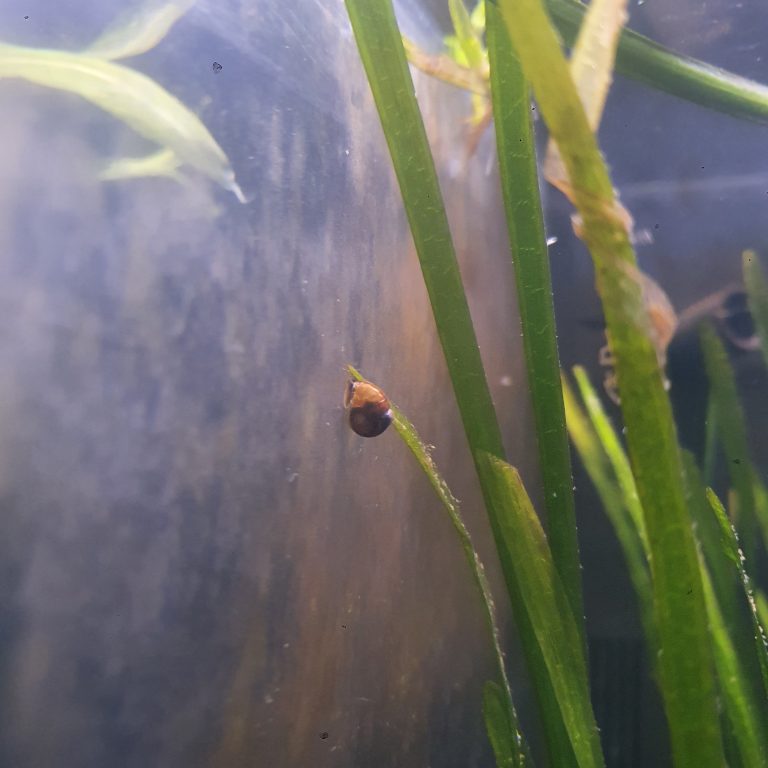 Note: There are also snails that are kept specifically for their usefulness, such as the ramshorn snail pictured above. This really only applies to the smaller snails and beetle snails. Read more about this in our blog post about aquarium snails.
Therefore, always check that there aren't an excessive number of snails in the bin where you buy them. Or order them online; they're usually fresher from the nursery and therefore don't have any snails at all. We personally drive to the nursery 3-5 times a week to pick up fresh aquarium plants, so you can be sure they're free of algae, diseases, and snails.
Buy aquarium plants in our webshop!
Thanks for reading this blog post! Want to join the conversation? Leave a comment or question below.


