

Which aquarium plants need little light?
Aquarium plants can make your aquarium shine or make it look like a battlefield. Fortunately, plants don't have to be so difficult to care for. With less lighting, the plant will grow more slowly and generally do better, provided you have the right aquarium plants.
By the end of this article, you will know exactly which plants are suitable for this.
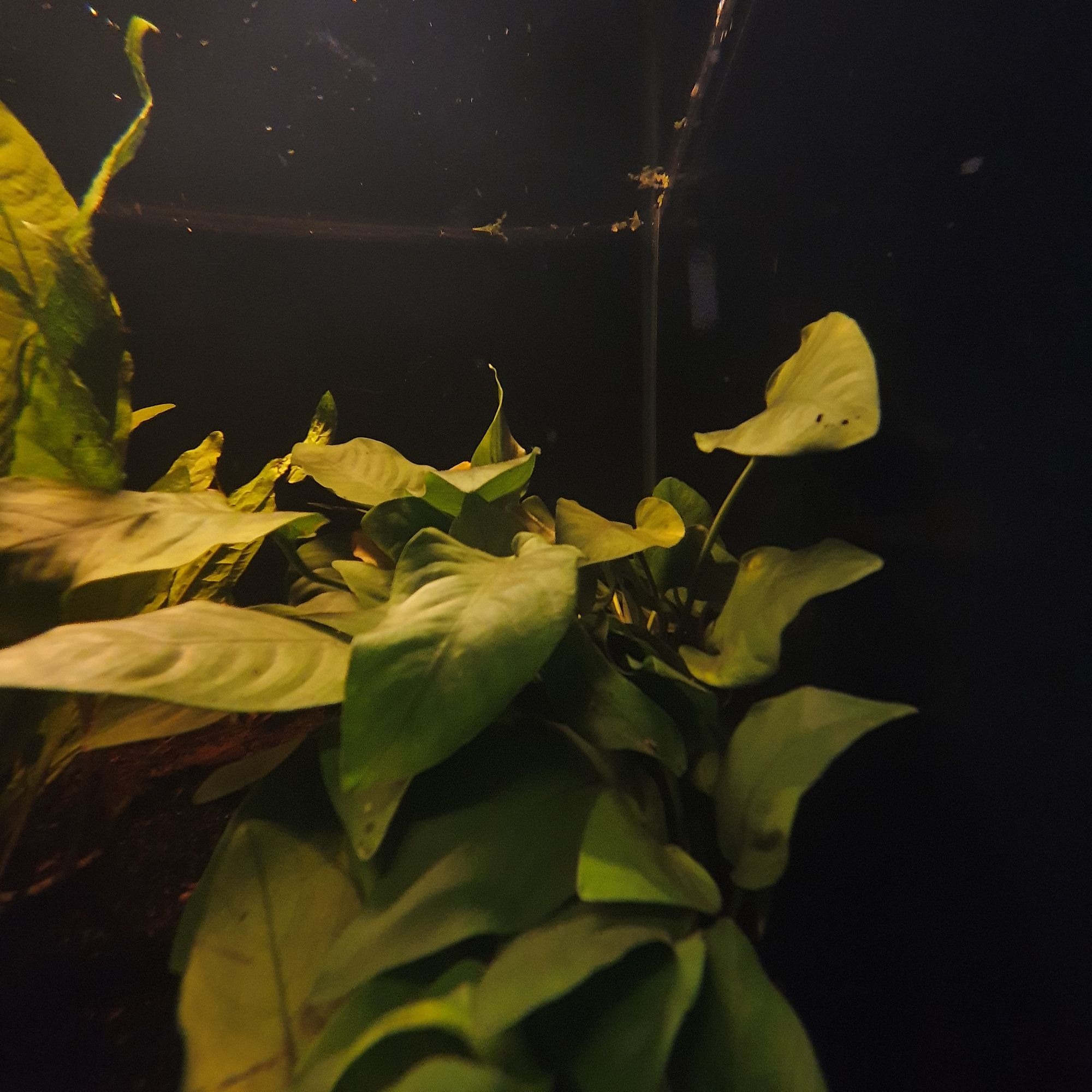
These plants do well with low light!
Not all aquarium plants thrive in low light. Red plant species require more light, as do ground cover because they are located deep in the aquarium. A few species thrive with minimal lighting. However, they grow somewhat slower than with more light. We explain the theory behind this in this blog post about poorly growing aquarium plants. The species we discuss here can only be kept with low lighting, or they can tolerate it.
1. The Echinodorus Bleheri
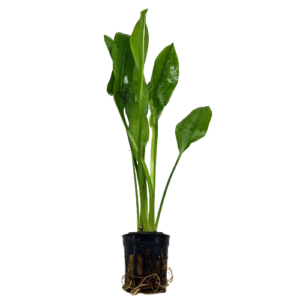
I've said it before: this is the best beginner's plant. It needs very little and therefore thrives in low light. If it gets more light, it will require some nitrate and iron nutrients. The advantage of this plant in a darker aquarium is that it doesn't grow as robust as it should. It tends to grow quickly, resulting in suckers.
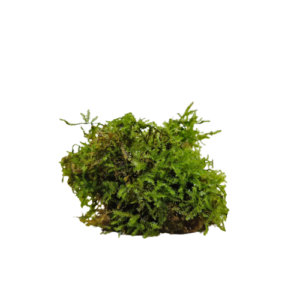
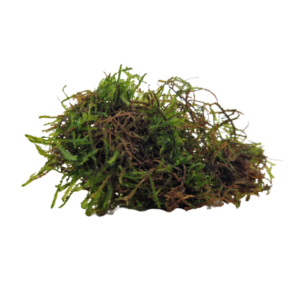
2. Moss species
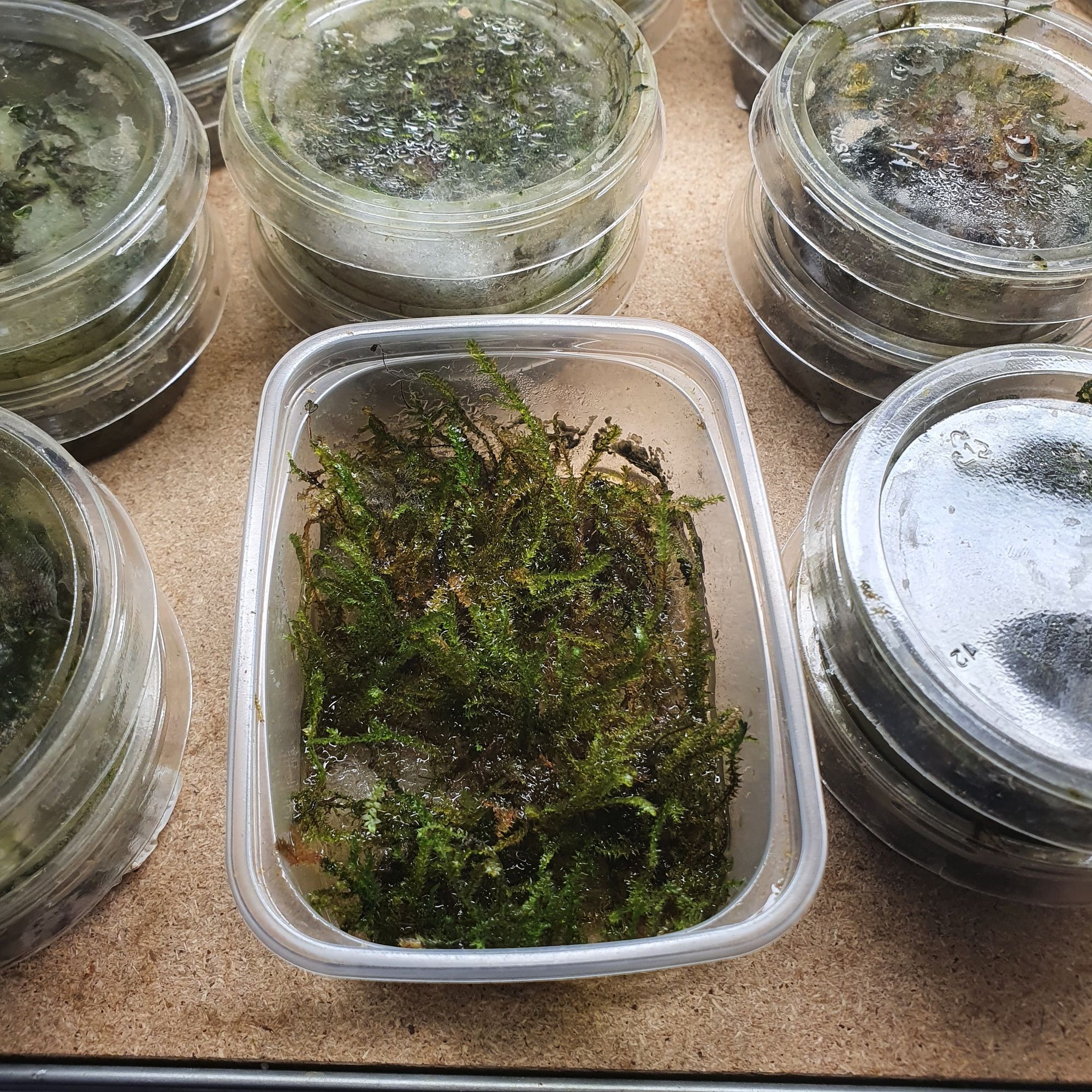
Generally, all aquarium mosses can tolerate low light, but there are two species that do particularly well with lower lighting. I'm talking about Java moss and Christmas moss. I've found these two in even the darkest aquariums, and they simply grew! This way, your entire aquarium can be overrun with this plant, and lower lighting makes it easier to keep it under control. To encourage moss to grow quickly, simply adding plant food is enough. However, lighting does make moss grow very quickly, and you can trade or sell it.
3. Rhizome / Rootstock plants
I always recommend rhizome plants to clients who visit with low-tech aquarium lighting. They're incredibly easy to grow, can be kept near plant-eating fish, and therefore require very little lighting.
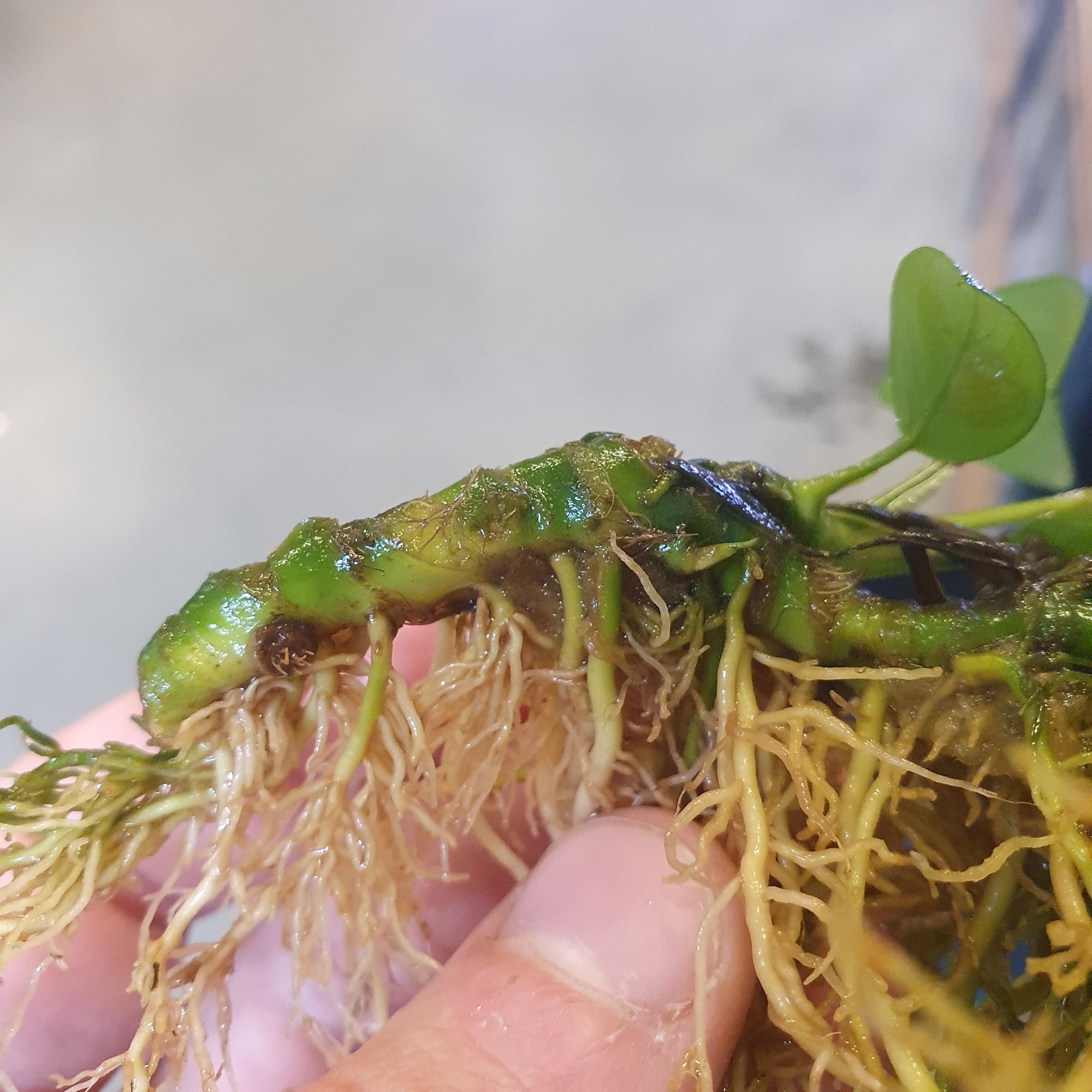
Even if you don't have substrate to plant them in, you can still plant them on aquarium wood or stone, as they will grow on it. We also sell rhizome plants grown on wood through our webshop.
Rhizome plants do best in low light.
There are several types of rhizomatous plants, but they all have something in common: 1. They grow in a horizontal rhizome and 2. They can thrive in low light. In fact, some species, such as Anubias Coffeefolia, cannot tolerate strong light.
They excel in poor lighting. This is because they grow slowly, requiring minimal amounts of water. Perfect for aquariums with limited plant food, CO2, and lighting.
There are two common species: Anubias and Java ferns. One has thick fronds, while the other looks more like a shrub. Both have different characteristics and can be planted in different ways.
The enlightenment needs of Anubias
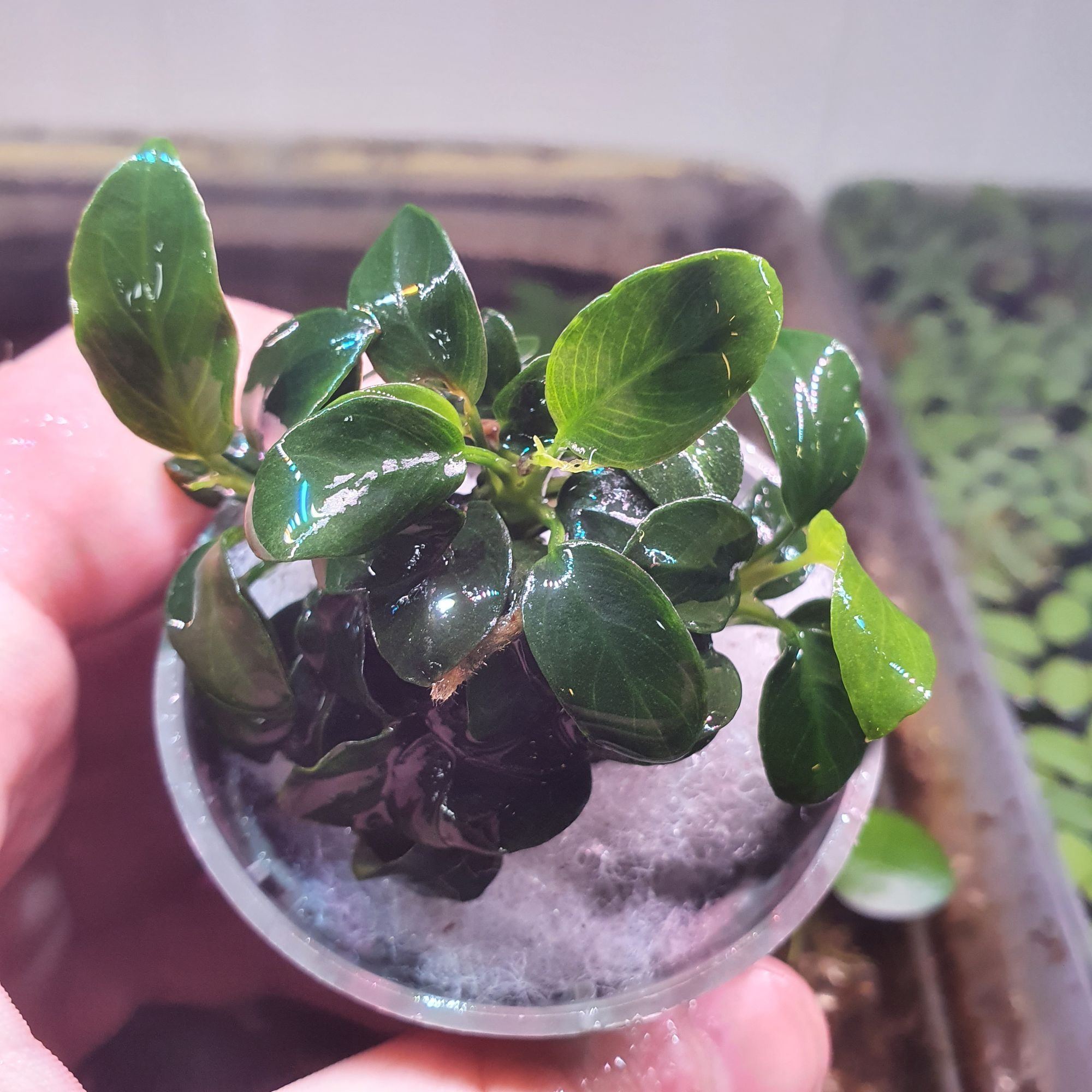
We think these are the most beautiful aquarium plants available, but there are a few things you should know about them. All Anubias species tolerate low light very well and require minimal CO2 and plant food.
Some well-known and easy-to-grow species are: Anubias Nana, Anubias Barteri and Anubias Congensis.
What are the ways to plant Anubias?
Okay, so this is super simple! You can choose to place the plant on the ground or plant it very shallow (so that the rhizome is still above ground).
Prevent the rhizome from suffocating by placing the plant in a stream. This will provide the roots with more oxygen.
One of the most common planting methods is planting Anubias on wood or stone. This is an effective method because the plant then has ample room to grow. By placing the piece of stone or wood in the current, the plant will flourish and quickly produce side shoots. You can glue Anubias in place with aquarium-safe glue, or you can tuck the rhizome into a crack in the wood or stone to prevent the plant from floating away. Don't place it too tightly, as this will restrict the sap flow and cause the plant to rot.
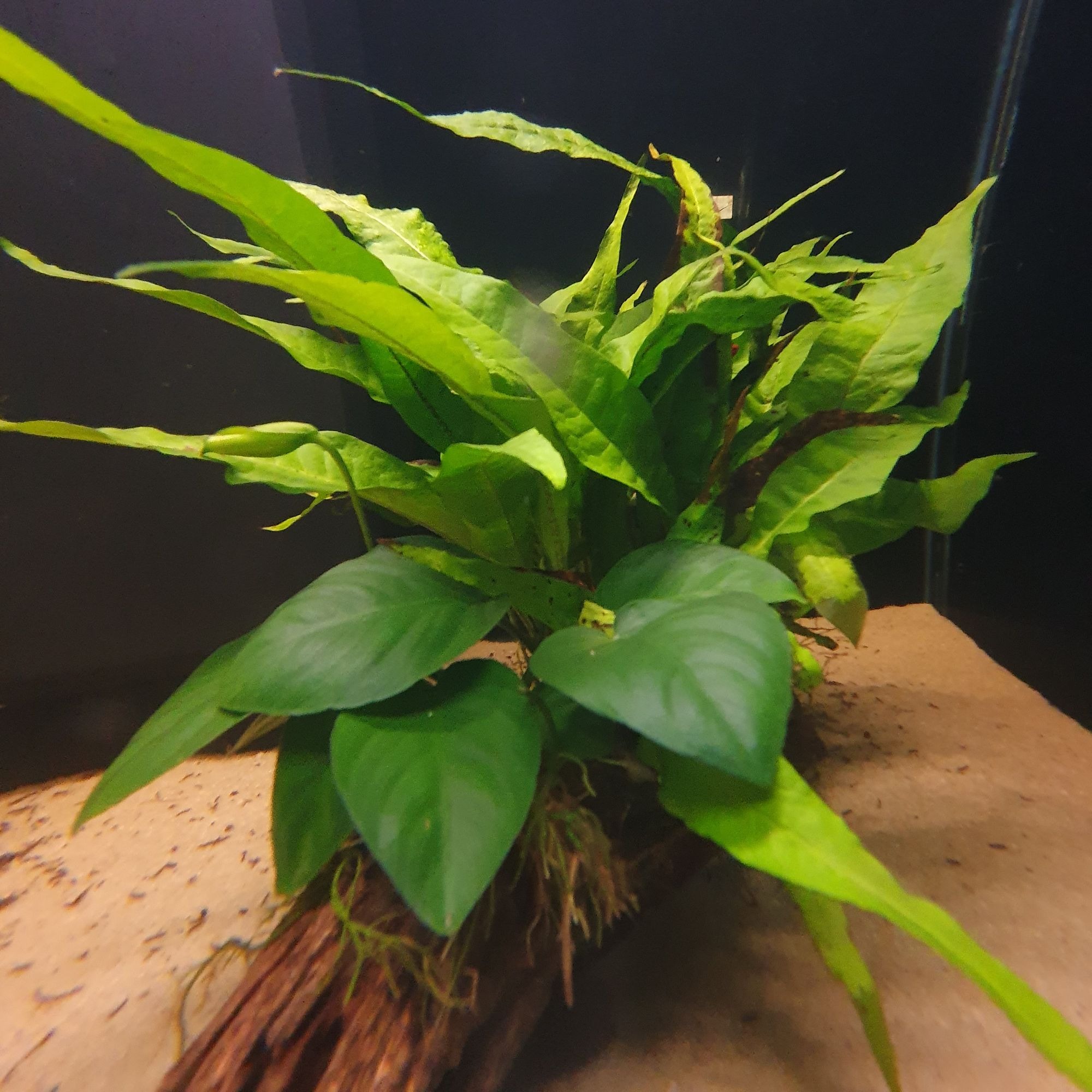
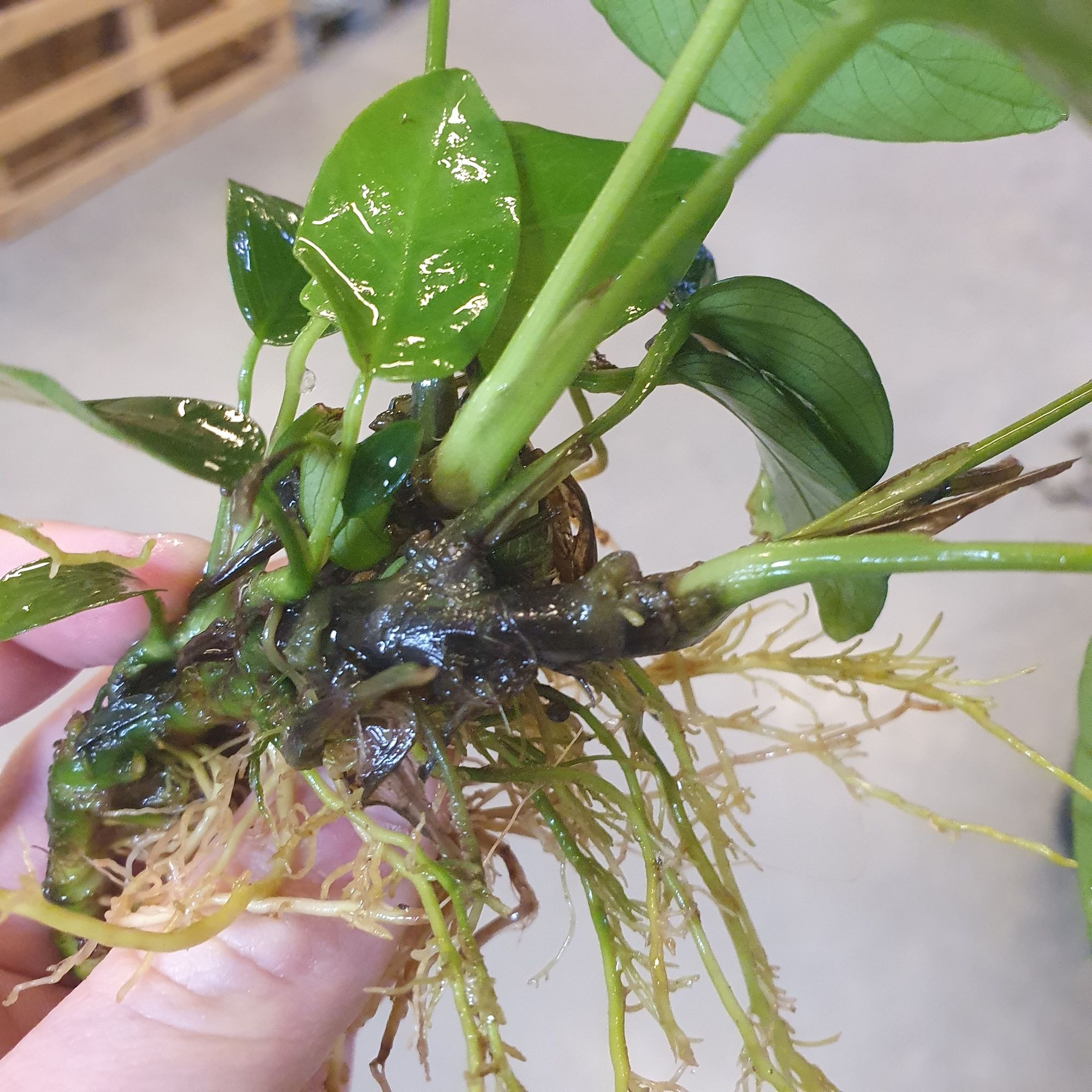
The three species we described earlier are good for this, especially for the beginner.
We also started growing these three plants because it's so easy! Normally, rhizomes are cut in half, but this can make the plant look crooked. So we use a different method.
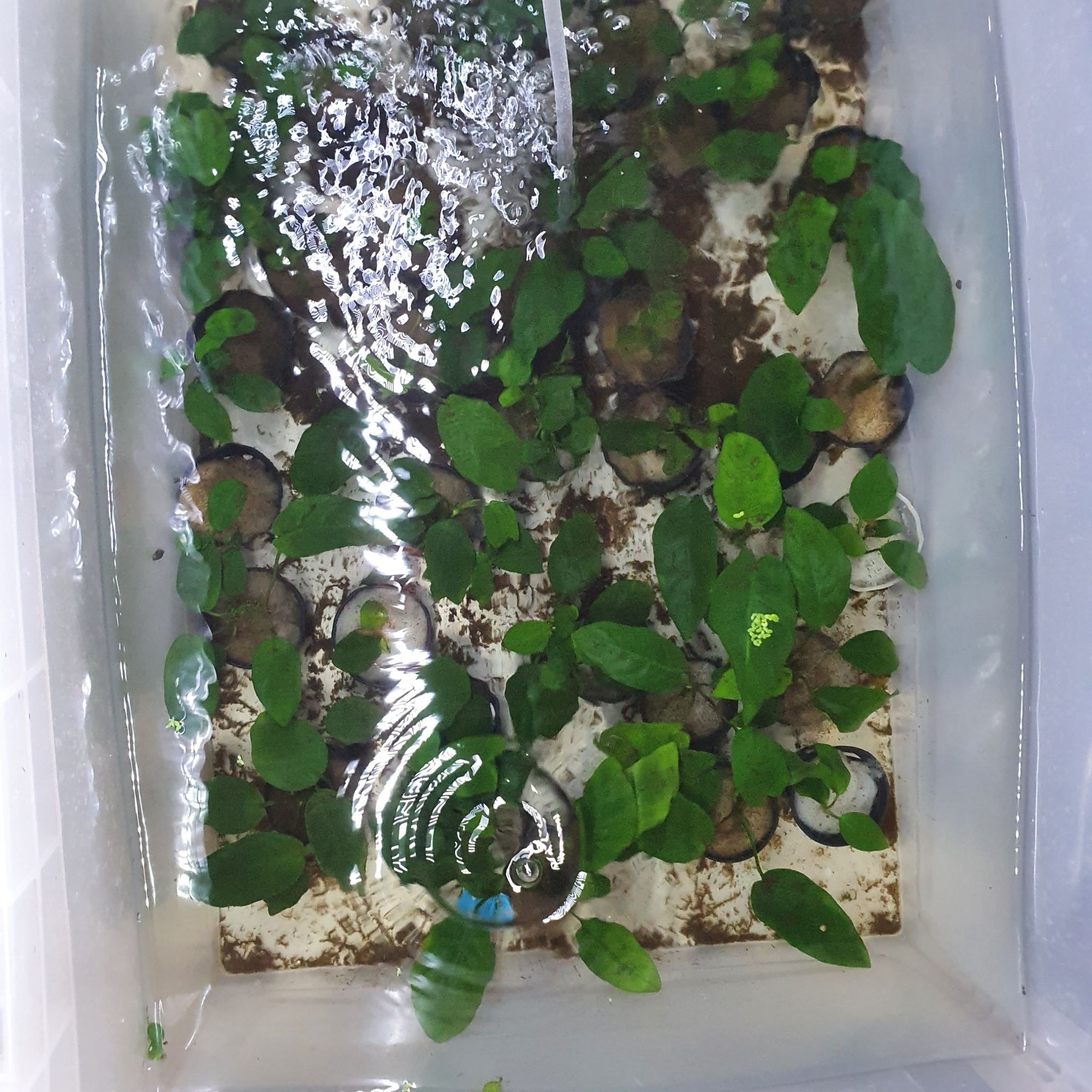
How to propagate Anubias species?
Looking for babies! Well, that's what I call it. Side shoots always start to grow on the sides of Anubias plants. I always call these shoots the babies of the Anubias plant.
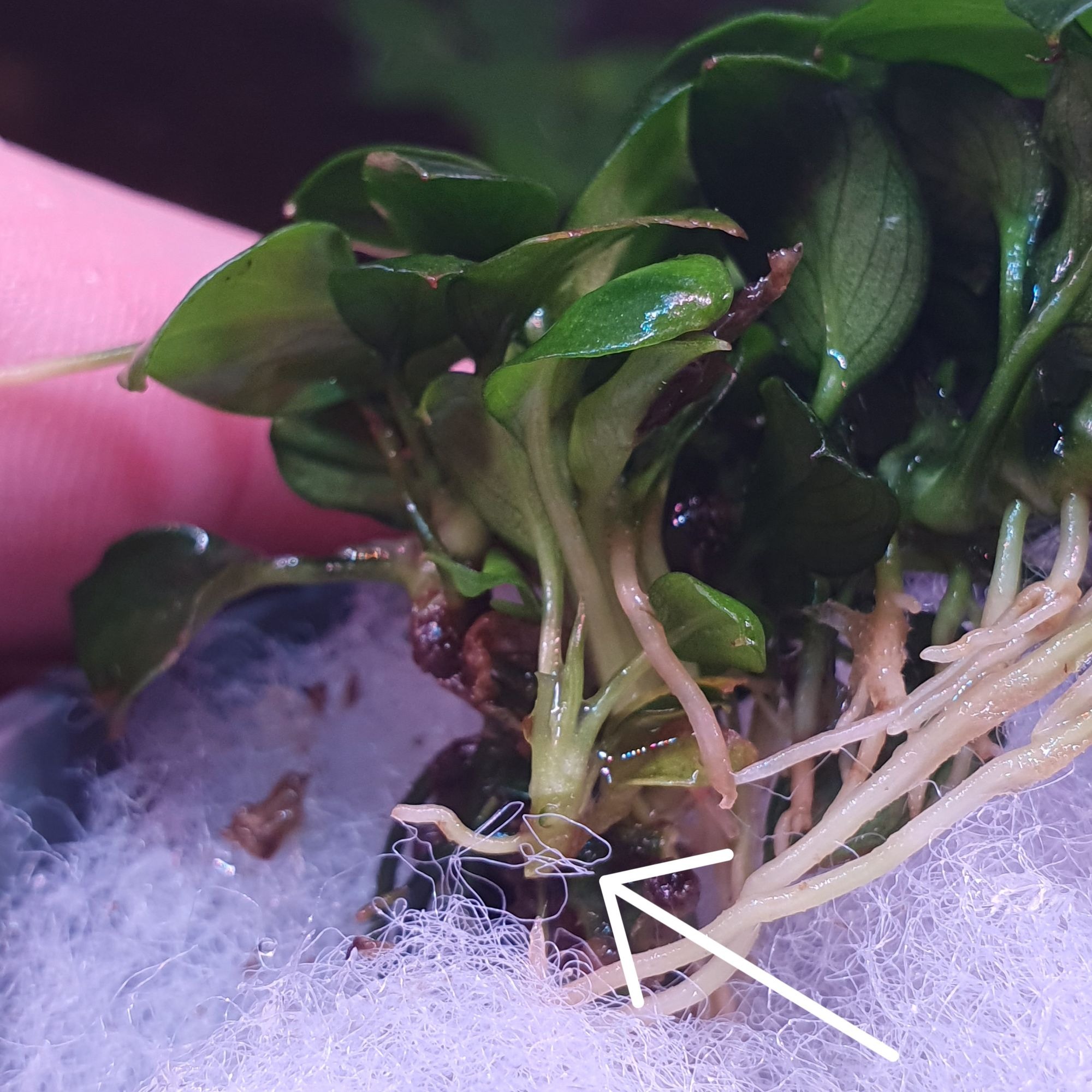
Once this small side shoot has developed a root, you can break it off and plant it separately. The plant will continue growing immediately. Make sure the side shoot has a root, though; cuttings without roots rot more quickly. You want to avoid this, as it can throw your aquarium off balance. So, finally, one of our favorites! Our website also features eight different types of Anubias, and we even sell some ready-made ornaments.
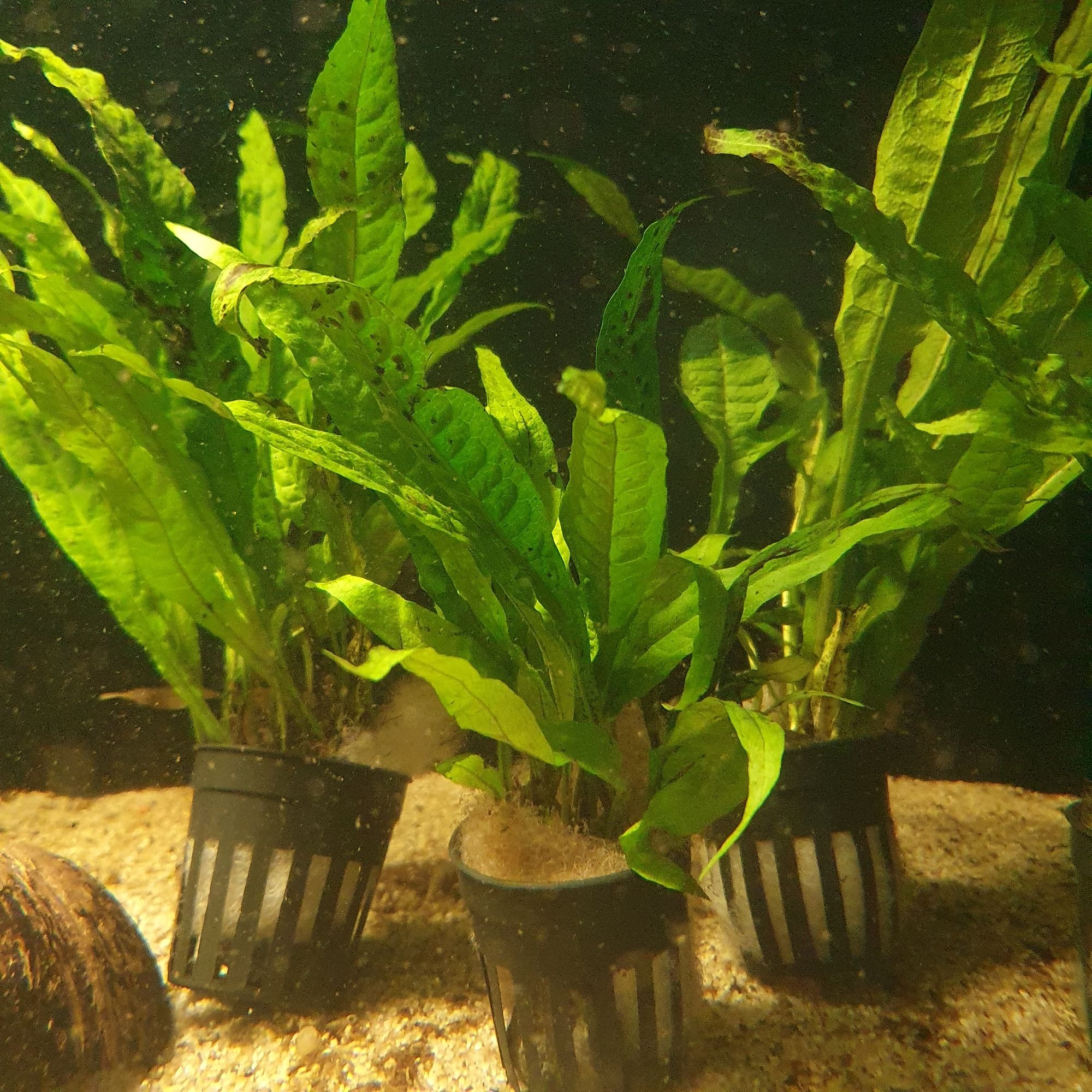
Lighting in Java ferns
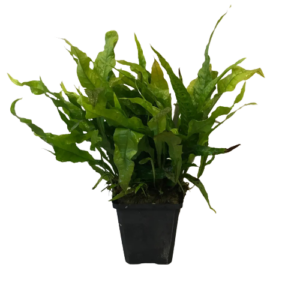
Officially, the Java fern is a type of shrub that grows at the base of trees along riverbanks in South America. Because it grows at the base of trees, the Java fern is accustomed to low light. More light does make it grow faster and become somewhat fuller. But it's perfect for a low-light aquarium!
How to plant Java ferns?
The Java fern is also called Microsorum pteropus. There are several varieties, from the Mini Java fern to the Microsorum windelov. The roots of the Java fern resemble hairy wood and are different from those found in other aquarium plants. You can plant the Java fern on the substrate or on wood. The woody roots will eventually attach to the wood or rock.
Make sure the Microsorum pteropus is slightly exposed to the current. This prevents the rhizome from suffocating. The Java plant has a true Amazonian appearance and is perfect for biotopes. If you manage to grow this plant well, it will truly flourish in your aquarium and won't go unnoticed. Once growth accelerates, this fern has a tendency to produce cuttings. Therefore, the plant is also easy to propagate.
>
How do you propagate Java fern plants?
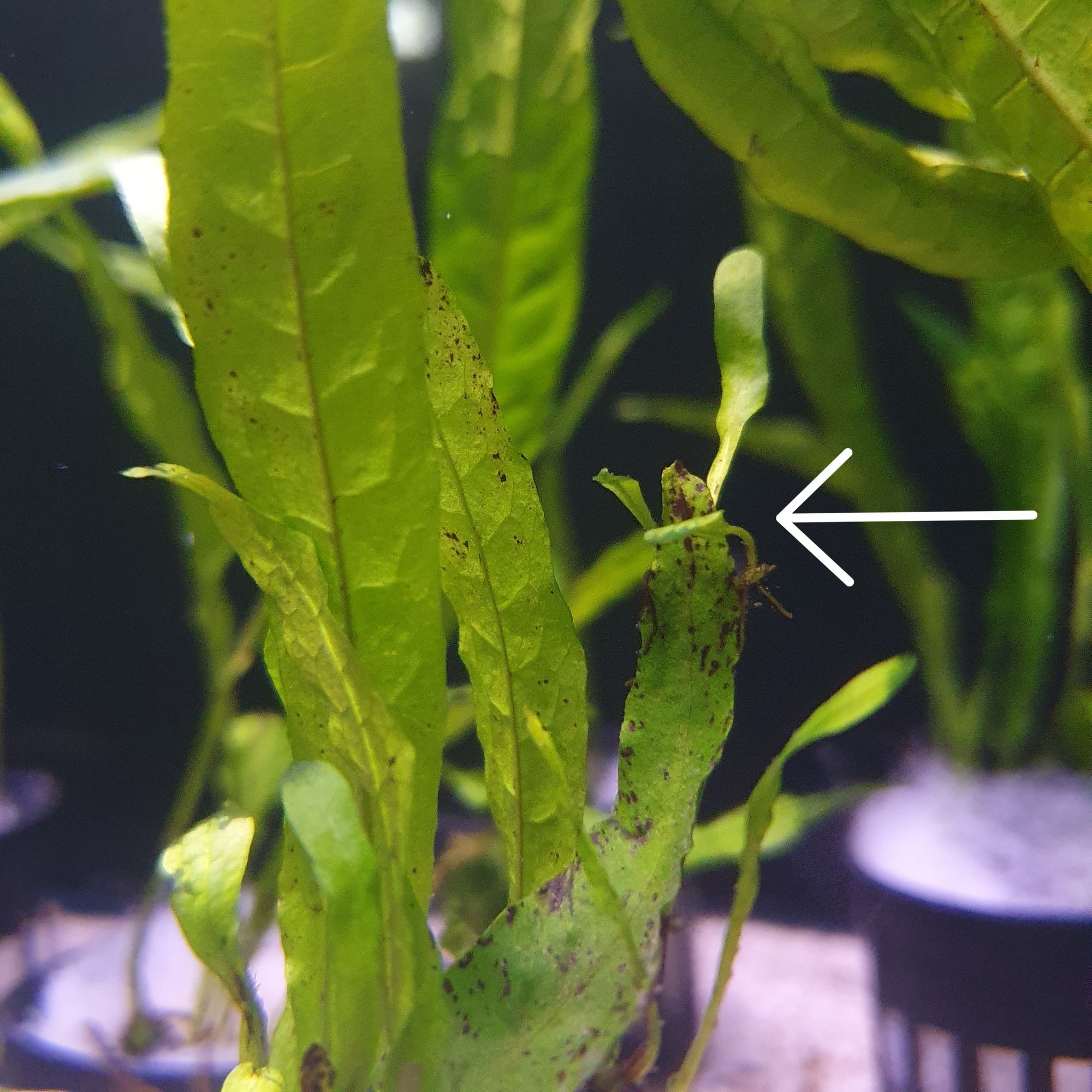
This plant practically propagates itself. No, really! It sometimes creates small cuttings at the tips of the leaves. Once these have rooted, you can plant them, and they'll grow just like the mother plant. This often happens when the leaves are a bit hazy and the light is coming from above. The Java fern then grows sideways, just like stem plants. So it creates small Java ferns at the tips of the leaves. A method we sometimes use ourselves is cutting the rhizome. This is more stressful for the plant and can cause it to die back completely if you don't do it correctly.
You need to cut the root rhizome every 3/4 leaves, the more the better!
The fern now needs some time to recover from the stress, but eventually the two cuttings will continue growing. The larger you make the cuttings, the more leaves the plant will have.
Leaves feed the plant, so the more leaves the faster the Java fern cutting will start growing again.


