

Everything you need to know about brown aquarium algae
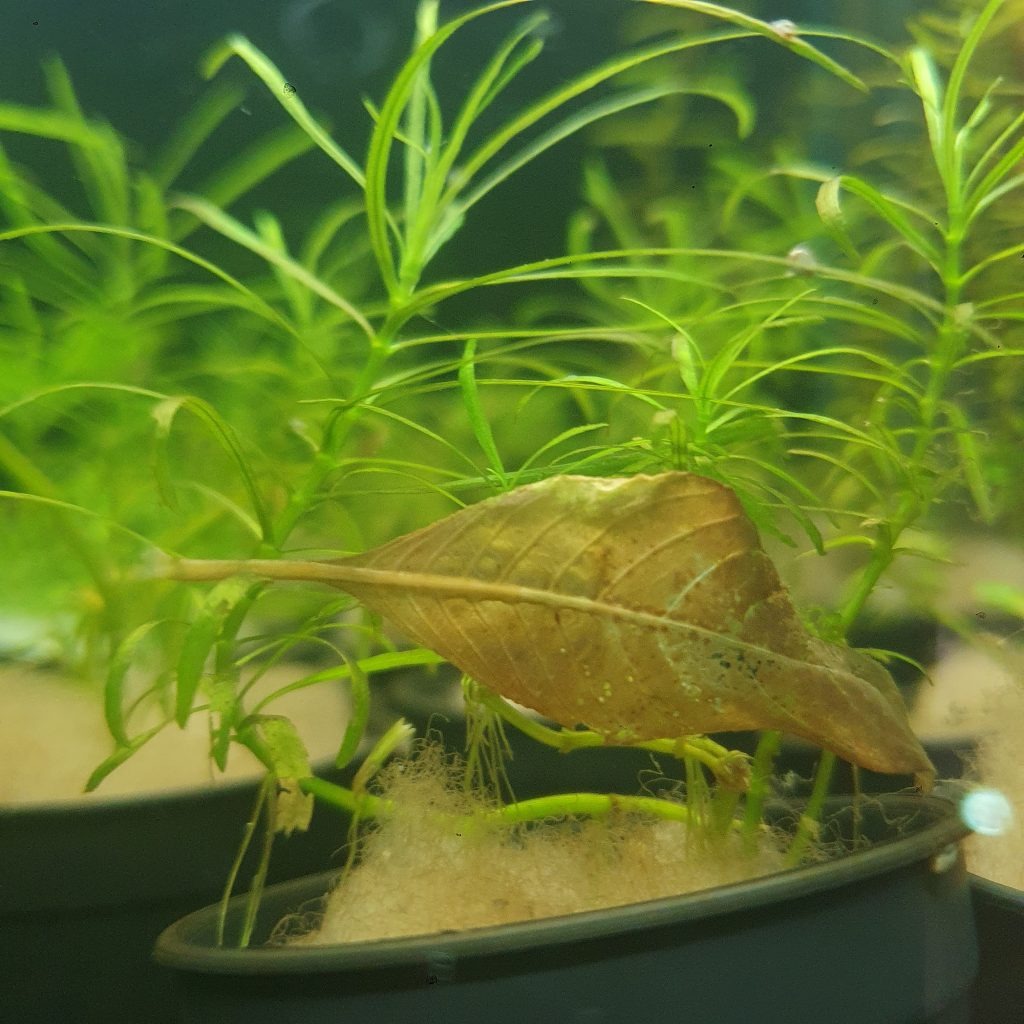
After two weeks, aquarium plants and the glass can sometimes be overtaken by a brown algae haze. This can seem alarming, but fortunately, the problem is easily solved. The brown algae creates a kind of haze over the aquarium plants.
After just two weeks, aquarium plants can become overgrown with brown algae. While this may seem like an infestation, there's fortunately a simple solution. The brown algae forms a kind of haze over the aquarium plants.
Why do you get brown algae in the aquarium?
Brown algae is common in aquariums that haven't fully matured, aren't properly maintained, or suffer from poor water circulation. It's important to investigate the cause of your specific brown algae.
For example, the bacteria in your aquarium may not be able to efficiently break down organic matter. This can happen if there's insufficient water circulation or too much organic matter in the aquarium. Therefore, ensure regular maintenance of your filter and good water circulation.
Are your aquarium plants really struggling? Then you need a slightly different approach and need to examine the entire aquarium. But how do you know what's right? That's why we have the aquarium WhatsApp helpline, where you can ask all your questions about your aquarium, orders, and our website. Click here to contact us via WhatsApp >
Brown leaves on new aquarium plants?
If the new leaves of your aquarium plants turn brown, this is usually not due to algae. It often indicates an iron deficiency. Certain plants, such as Echinodorus, Cryptocoryne, tuberous plants, and red aquarium plants, are particularly susceptible to iron deficiency.
To solve this problem, you can add iron-containing nutrients to the aquarium water. You should see an improvement within two weeks.
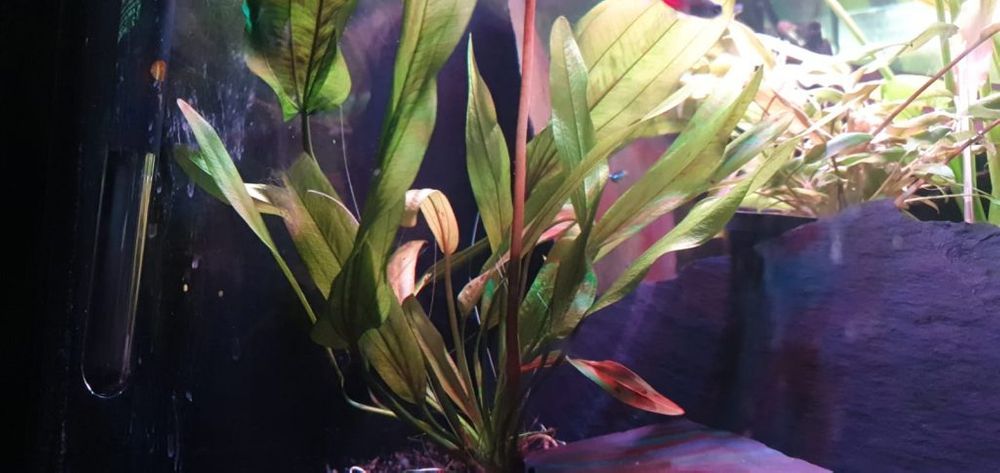
(One of my first aquariums +-2015)
When I had this aquarium, I knew virtually nothing about plants and their nutrients. Since 2017, I've been delving into aquarium plants and their nutritional needs. After many failures and thorough research, I finally settled on Aquatic Plants Solution plant food, which you can find in our aquarium plant food webshop >
What causes brown algae in the aquarium?
There can be several causes for brown algae in your aquarium:
- Insufficient water circulation
- Poor plant growth
- Too high a phosphate concentration
- Lots of organic waste that provides phosphate
How do you treat brown algae in the aquarium?
To combat brown algae, you can follow these steps:
- Remove as much algae as possible manually.
- Address the source of brown algae: ensure adequate water circulation, promote healthy plant growth, and reduce phosphate concentrations.
- Introduce algae-eating fish, such as Otocinclus, to your aquarium. They can help control the algae.
You can always consider a more thorough approach. However, this requires a bit more work. Follow these steps:
1. Manual removal and boot phase
It's always a good idea to remove as much algae as possible manually. This will immediately improve the appearance of your aquarium without those pesky brown algae. But it's also important to address the cause of the algae, otherwise it will return.
During the initial setup of your aquarium, it's normal for algae to appear. It contributes to the development of beneficial bacteria and serves as an indicator of imbalances. Let the algae grow, and you'll see your aquarium recover.
2. Try algae-eating fish
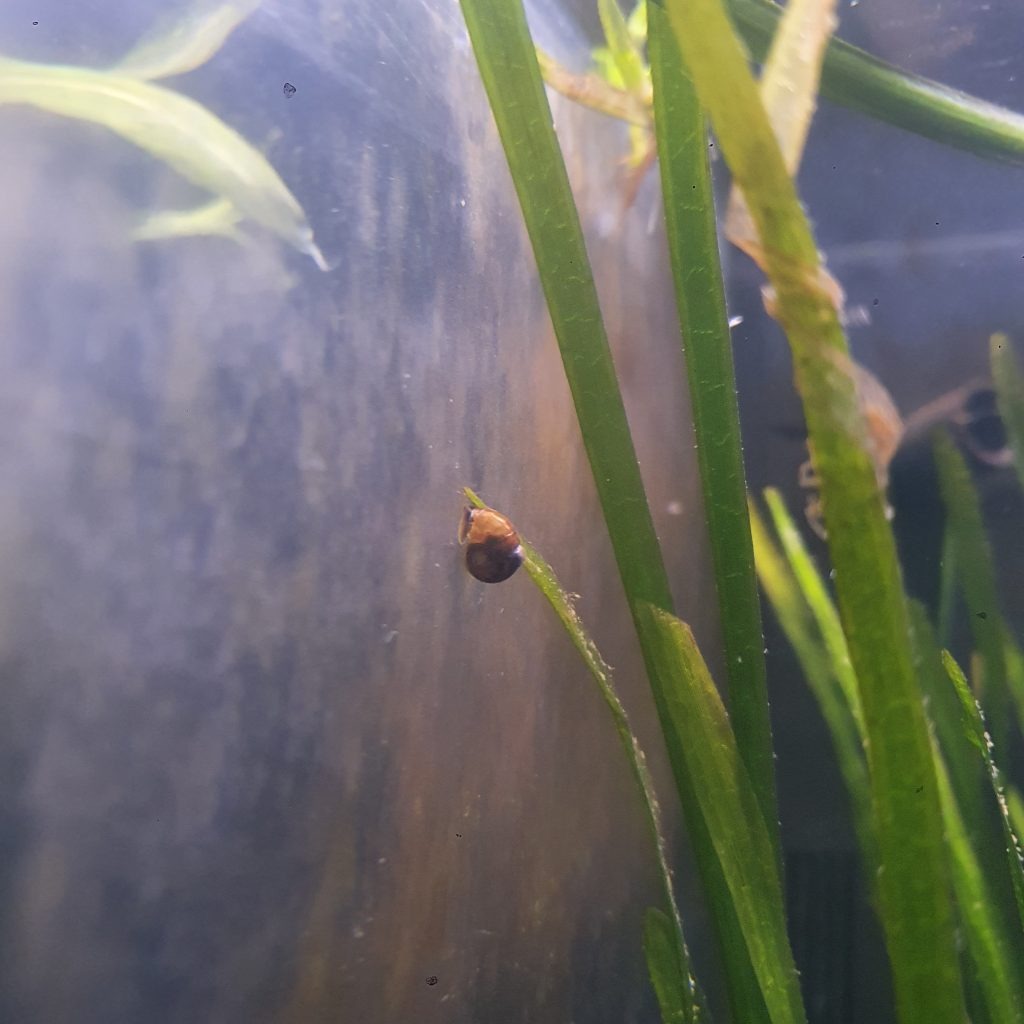
Consider adding algae-eating fish, such as the dwarf algae-eater Otocinclus, to your aquarium. These fish have a predilection for soft-bodied algae and can help keep your plants and windows clean. Make sure you keep at least three algae-eating fish in your aquarium and regularly provide them with driftwood to chew on.
3. Check your filter and pay attention to your power supply
Make sure to regularly check your filter for blockages to ensure the bacteria can thrive. Also, be careful with overfeeding, as this can lead to increased phosphate levels, which in turn can lead to brown algae.
4. No improvement? Nutrients, CO2, and light
If the brown algae persists, your aquarium plants may not be getting the right nutrients, CO2, and light to thrive. In this case, adding standard plant food and dosing CO2 can help. If you're more advanced, you might consider purchasing a CO2 system.
So don't worry if you have brown algae in your aquarium. Follow these steps and you'll soon be enjoying a beautiful and healthy aquarium again!
Still want to have an expert take a look? We've been offering door-to-door maintenance services since 2017. You can easily view our current services on our aquarium service request page >


