

10 Smart Tips to Combat Algae in Your Aquarium!
Algae in the aquarium is like weeds in the vegetable garden. While they're not necessarily bad for the aquarium, they do obstruct the view. Imagine having to sponge down 79 aquariums every week. Fortunately, there are relatively easy measures to reduce algae growth. This blog post offers ten tips for controlling algae.
1. Reduce lighting time
Plants (and algae) need light to initiate a crucial process: photosynthesis. Aquarium plants require about 6-8 hours of light per day. If the light stays on longer, the plants require more nutrients and CO2. This quickly leads to deficiencies, which in turn lead to algae taking over the plants.
Lighting is also useful for enjoying your aquarium when you're at home. How can you combine this effectively, so you can see your plants without them getting too much light?
Fortunately, there's a fairly simple and convenient solution. Use a timer to distribute the light throughout the time you're home. For example, from 8 to 9 in the morning while you're having coffee, and then in the afternoon after work from 5 to 11 p.m. This way, your aquarium will have 8 hours of light and won't overheat.
2. Adjust the filter for more flow
Brown algae, filamentous algae, and blue-green algae thrive in so-called dead spots. These are areas in the aquarium with little current. Therefore, adjust the flow direction of your filter to ensure even flow throughout the tank. This is why I always recommend overflowing an aquarium.
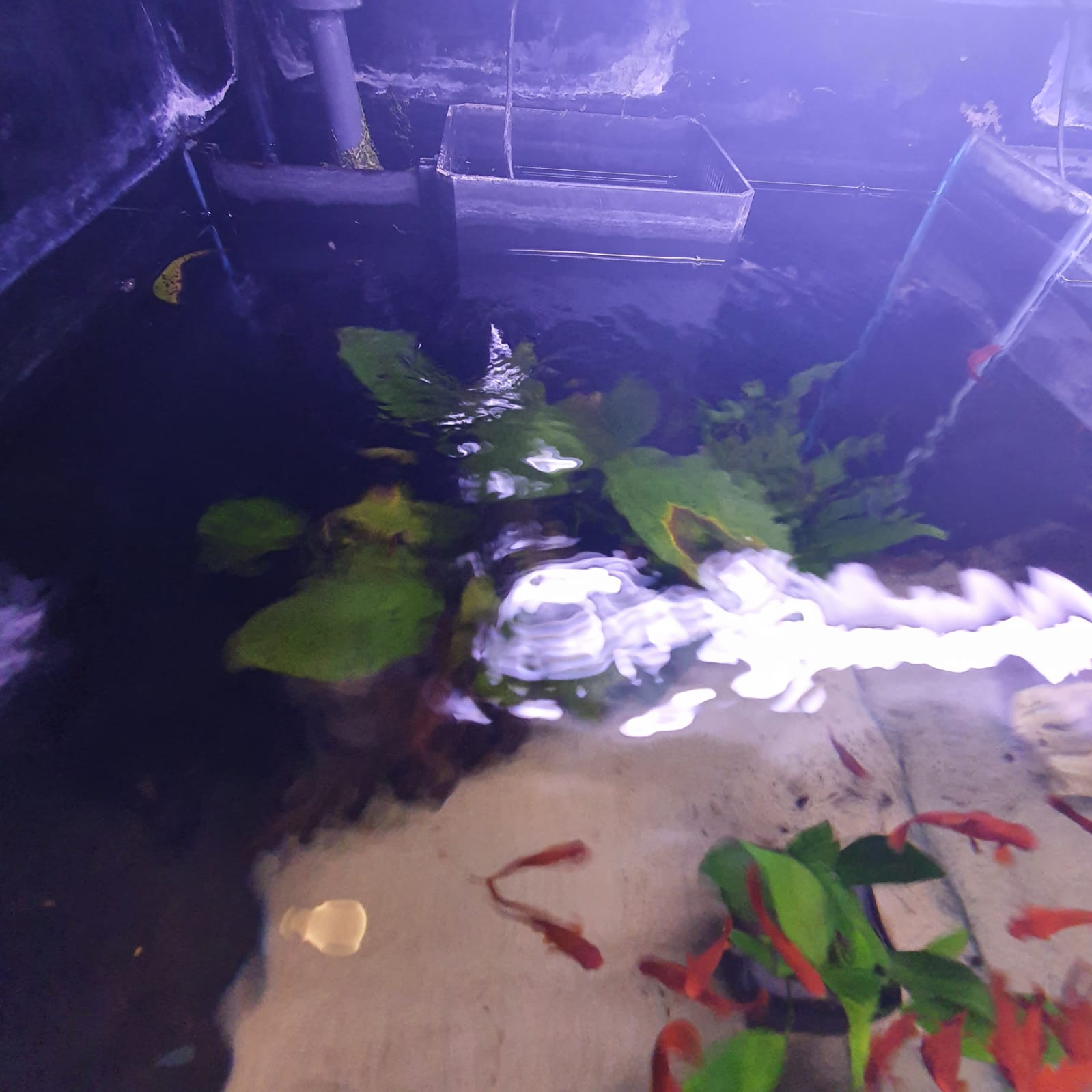
For large aquariums (1 meter or more), you could also consider installing a wavemaker. Be careful not to do this with smaller aquariums, as it will create a wave pool. Also, not all fish, such as bettas and angelfish, enjoy a strong current.
3. Avoid excess or shortage of food
Are you feeding plants? It's possible you're providing too little or too much of one of the nutrients. When plants have a nutrient deficiency, they immediately absorb all the nutrients less effectively. The surplus is then used by the algae. Therefore, be careful to provide sufficient, but not excessive, nutrients.
Poorly growing plants is one of the most common reasons for algae in an aquarium. That's why we've written an article about poorly growing plants. The model we use is very simple and anyone can use it to make your aquarium shine again.
4. Feed less
Fish food is packed with protein and flour. This is especially true for lower-quality fish food. These are loaded with starch to make them cheap and profitable. Therefore, always ensure you use good quality fish food and definitely don't overfeed!
Fish eat everything in the aquarium, and a sudden overload of food is detrimental to water quality and their digestive systems. Therefore, feed small amounts multiple times instead of a large amount at once.
5. Prevent overcrowding
Every animal that eats produces waste products through its feces. This waste is then absorbed into your aquarium's bacterial culture, where it is converted into useful substances for your plants, such as nitrate, phosphate, and ammonium. This largely occurs in the filter or substrate, where most beneficial bacteria reside.
If you have an excess of fish, the bacteria can't keep up, and you may see spikes in nitrate, ammonium, nitrite, or phosphate levels. The result: algae.
A less full fish stock ensures balance in substances and that is the most important if you want to prevent algae.
6. Fresh aquarium plants are always good
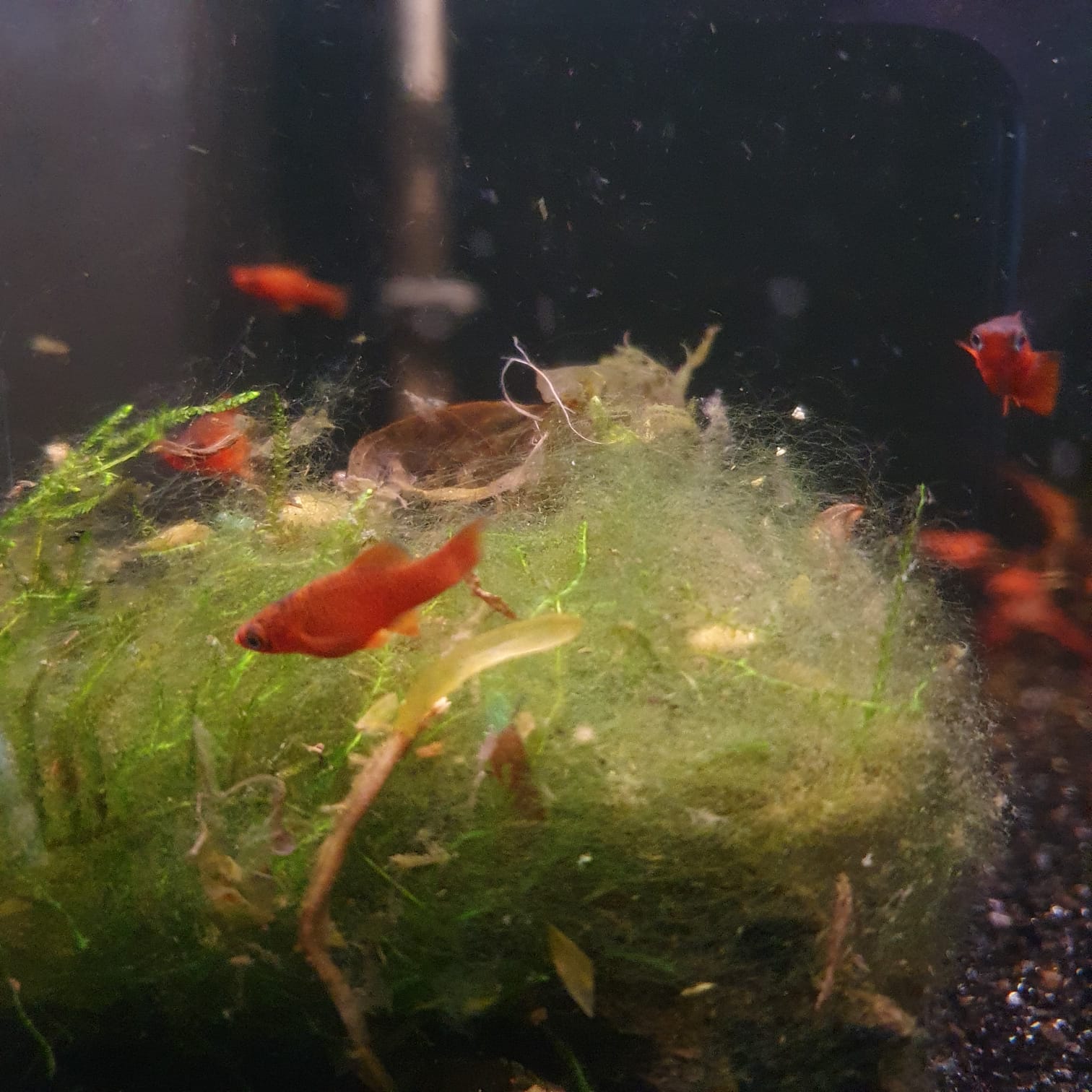
An aquarium plant can also simply be at the end of its tether. It's been so severely damaged by algae and deficiencies that it no longer looks good, and therefore isn't as active.
If your aquarium looks like this, it's high time for fresh aquarium plants that will immediately start converting waste products into oxygen. Stem plants are ideal for this. Do you have an excess of waste products like nitrate or phosphate, which can be recognized by brown algae growing in the aquarium? Then add floating plants to your aquarium.
7. Choose fast-growing aquarium plants
Sometimes there's so much phosphate in an aquarium that your current plant stock can't keep up. Then it's time to plant your aquarium with fast-growing aquarium plants. Instead, choose aquarium plants that do grow quickly. These are primarily true aquatic plants or stem plants. Think of species like Vallisneria, Elodea densa (waterweed), Cabomba, and Hygrophila polysperma.
8. Prevent Mulm
Mulm is the accumulated brown debris that collects at the bottom of the aquarium. This is usually where the current converges or where dead spots are present.
This isn't bad for plants at all; they actually thrive in it! However, it's still organic waste in your aquarium, especially if it's in a location with little current. Stagnant water and decomposing organic waste are never good.
You can easily vacuum this away with an aquarium vacuum or hose. If you consistently get too much mulch, you should see if you can do something about it, for example, by feeding less or improving the growth of your plants.
9. Prevent air buildup in your soil
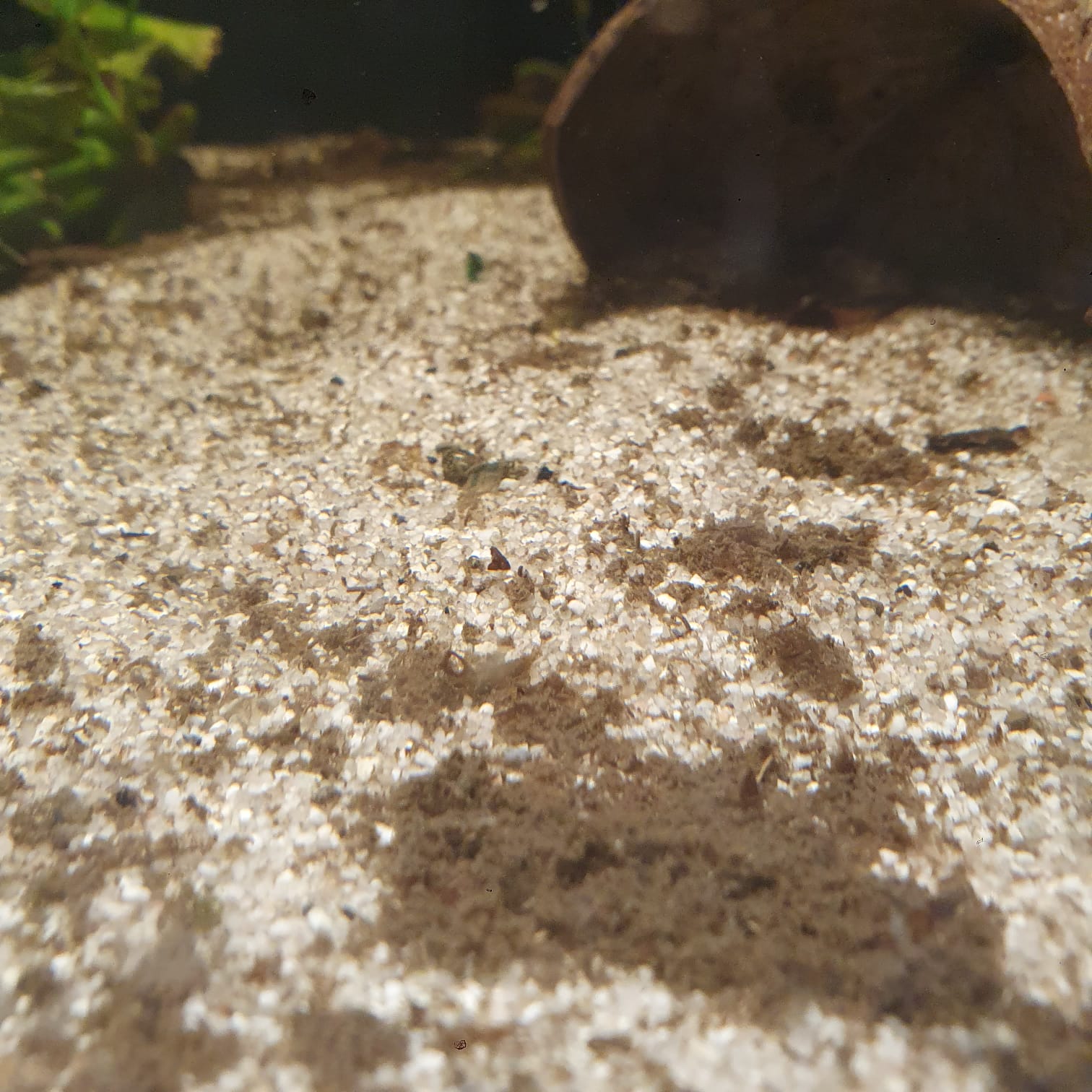
Most bacteria are found in the aquarium bottom. If the gravel becomes too dense and you don't loosen it occasionally, air can accumulate in the gravel. This is also called hydrogen cyanide gas and comes from dead bacteria in oxygen-poor substrates. This is the same gas that surfaces when you stir the mud of a Dutch ditch.
Therefore, choose a substrate that drains well and gently stir the substrate monthly with a pointed object like a stick, fork, or your finger. You can also use an aquarium vacuum.
10. Take it easy on CO2
Are you just starting to add CO2 to your aquarium? Build it up gradually! Don't turn on the CO2 tap all at once, but always test the CO2 levels for a week and increase the supply if you notice any deficiencies. Excess CO2 is toxic to your fish and can cause various algae, such as beard algae. Therefore, always ask for proper advice or read this article to see how we've made adding CO2 easy.
These were the 10 tips you can apply immediately to your aquarium! Do you know someone with an aquarium overflowing with algae? Share this article so they can have an algae-free aquarium in no time.


