

Thread algae, what is it? And how do you combat it?
Filamentous algae can be incredibly annoying. It often starts as a small strand in the middle of the current, and before you know it, all your plants are covered in filamentous algae, and you're tearing them apart with the strands. That's certainly not the intention, so in this blog post (and video), I'll explain what filamentous algae is, the cause, and how to treat it for both aquariums and ponds.
What is filamentous algae and how do you recognize it?
Filamentous algae is a type of algae that grows in long, thread-like strands and can easily take over aquariums if left unchecked.
Filamentous algae, also known as hair algae, is a common type of algae in aquariums. It grows in long, thread-like strands that often attach to plants, decorations, and even the substrate.
You can recognize filamentous algae by its thin, green threads that spread quickly and are difficult to remove. It usually feels slippery and slimy when you try to remove it.
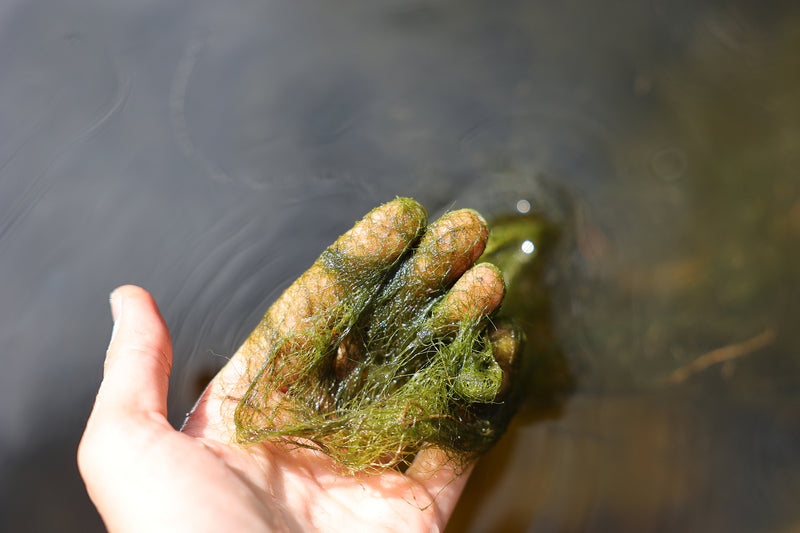
One of the most important indicators of filamentous algae is its rapid growth. Within a few days, it can cover entire areas of your aquarium, giving it a dull and unkempt appearance.
The presence of filamentous algae can indicate an imbalance in your aquarium, such as excessive nutrients or inadequate lighting. It's important to monitor and adjust these factors to prevent further growth.

What causes filamentous algae to form in my aquarium?
Thread algae is usually caused by an excess of nutrients, incorrect lighting and unbalanced water quality.
One of the main causes of filamentous algae is an excess of nutrients in the water, particularly nitrates and phosphates. This can be caused by overfeeding the fish or insufficient water changes.
Another important factor is lighting. Too much light or too long of a day can promote the growth of filamentous algae. It's important to maintain a balanced light cycle.
Imbalanced water quality can also contribute to the growth of filamentous algae. Inadequate filtration or a lack of maintenance can lead to a buildup of organic waste, which provides a breeding ground for algae.
Stress in plants can also play a role. Healthy aquarium plants compete with algae for nutrients, so if your plants aren't growing well, this can promote the growth of filamentous algae.

- œ Excess nutrients (nitrates and phosphates)
- - Incorrect exposure (too much or too long light)
- œ Unbalanced water quality
- œ Stress in plants
- Are you having trouble with your aquarium and algae? We have a free WhatsApp support line. You can use this service to ask all your aquarium questions and get a response within 24 hours!
- Add us on WhatsApp >
What natural methods are there to combat filamentous algae?
There are several natural methods to effectively combat filamentous algae, such as using algae eaters and optimising water parameters.
One of the most effective natural methods is introducing algae eaters to your aquarium. Fish like Siamese algae eaters and shrimp like Amano shrimp are known for their ability to consume filamentous algae.
Improving the water parameters can also help. Make sure you keep nitrates and phosphates under control by performing regular water changes and avoiding overfeeding. This reduces the nutrients filamentous algae needs to grow. You can also use floating aquarium plants for this purpose.
Another method is to optimize the lighting. Ensure a good balance between light and darkness and avoid too much direct sunlight on your aquarium. This can significantly reduce algae growth.
Fast-growing plants can also help combat filamentous algae by competing for nutrients. Add fast-growing plants like waterweed or hornwort to absorb the nutrients that would otherwise be used by filamentous algae.
- œ Use of algae eaters (Siamese algae eaters, Amano shrimp)
- œ Optimizing water parameters (controlling nitrates and phosphates)
- œ Balancing lighting (avoiding direct sunlight)
- œ Adding fast-growing plants ( elodea , hornwort )
Enjoy our submerged aquarium plants! Discover our own brand of aquarium plants >
What chemicals can you use against filamentous algae?
There are several chemicals available to combat filamentous algae, such as algaecides and hydrogen peroxide.
A commonly used chemical is algaecide, which is specifically designed to combat various types of algae, including filamentous algae. These products are often available in liquid form and can be added directly to the aquarium water.
Hydrogen peroxide is another effective option. It can be sprayed directly onto the algae with a spray bottle. This product kills the algae through oxidation, but should be used with caution to avoid harming other aquarium inhabitants.
A third option is to use copper-based algaecides. These can be effective against stubborn filamentous algae, but they can also be harmful to shrimp and other invertebrates, so be sure to follow the correct dosage.

- - Algae control products (liquid form)
- œ Hydrogen peroxide (direct application with spray bottle)
- - Copper-containing algaecides (note dosage)
However, we don't like chemical remedies... If the solution is natural, that's especially nice. Only when you're truly at a loss should you use a remedy. Want to learn how we do it? Or do you need professional help?
View all our Aquarium home services online > and request a free quote!


