

How do you reduce the noise of an aquarium air pump?
Air pumps are powerful motors that move a diaphragm up and down to create pressure and pump air. Unfortunately, this makes a low humming sound, and as the diaphragm dries out, the pump only becomes louder. I also had an air pump in my bedroom, and the noise it made was terrible. Until I used the tips discussed in this article, I slept like a baby again.
By softening the surface, an air pump already makes less noise. Smaller air pumps can be hung with a rubber band or string, and larger air pumps can be built in and insulated, reducing noise emissions.
How can you reduce the humming noise in air pumps?
Air pumps use a piston motor. This is a motor that moves up and down, moving a diaphragm. This naturally causes vibrations in the air pump, and vibrations create noise! You can reduce the noise by addressing the vibrations. You can also use our in-home aquarium service . With this service, we handle all aquarium maintenance, including making the air pump quieter. Click here for in-home aquarium service >
Softening the surface
One of the easiest ways to directly reduce the noise your air pump produces is to soften the surface. Air pumps have dampers on the bottom, also known as rubber feet. However, these feet don't absorb all the vibrations, causing the pump to vibrate on the surface!
By placing a soft base, you can already dampen some of the noise. You can, for example, place the air pump on a base of filter wadding, foam, or Styrofoam. This will dampen some noise from below and eliminate the worst of the vibration. However, there's an even easier method that ensures the air pump has no surface to vibrate on at all.
Hanging your air pump on an elastic band
Everyone has one lying around somewhere: a rubber band! I used to use one in my own bedroom, and it worked great. It only works with smaller air pumps, though.
Small pumps have a handy little hook on the back. Some aquarium air pumps, like those from Eheim, even have this built-in. Normally, you'd use this to secure the air pump to a cabinet, but I always used them to hang the air pump.
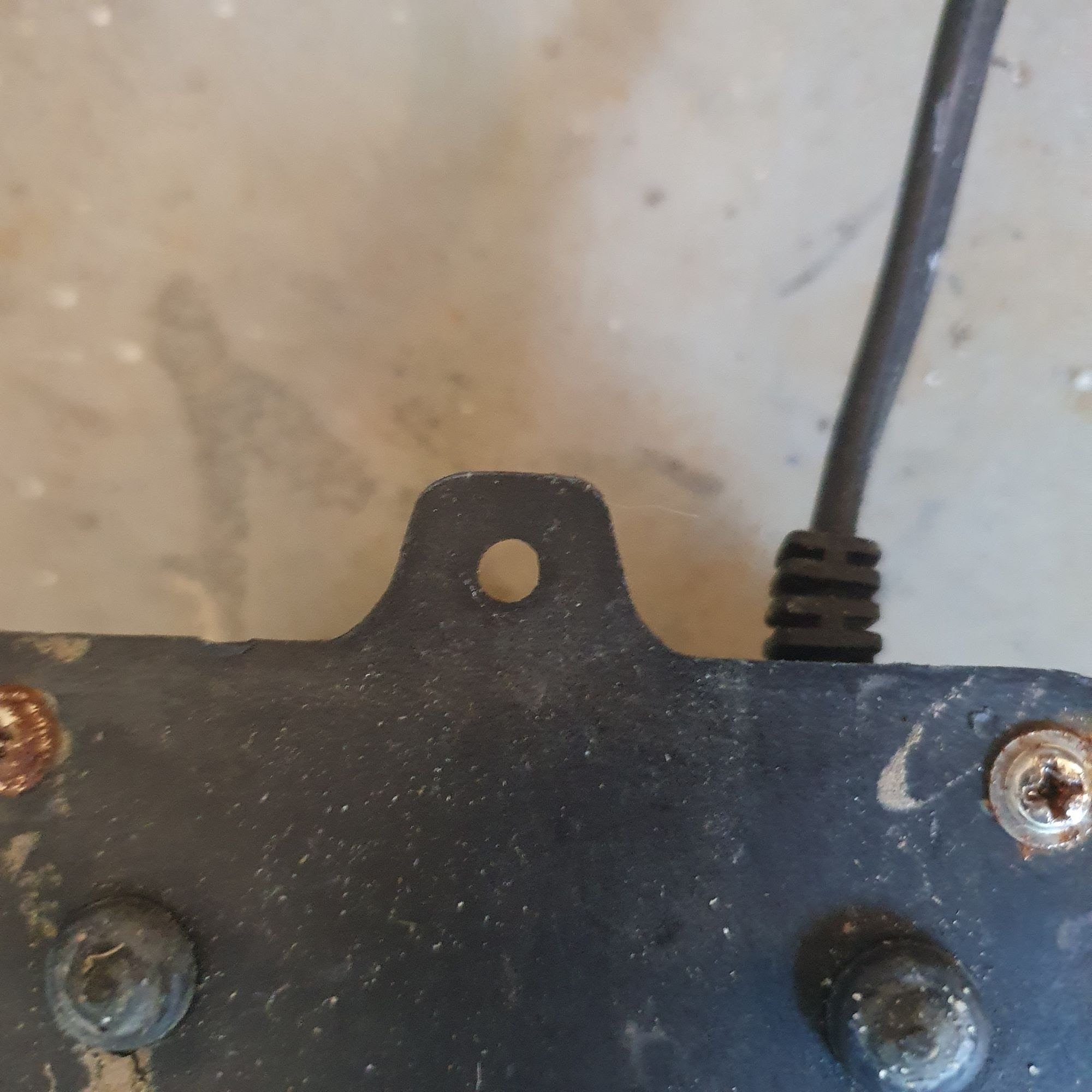
I grabbed a large rubber band and a threaded eye hook. I drilled this hook slightly into the top of the cabinet. I threaded the rubber band through the air pump hook and hung it literally in the middle of my cabinet.
The elastic band acted as a kind of shock absorber for the vibration noise, and the air pump was silent! You could only hear the motor going up and down very faintly, but that was only when I opened the cupboard door. I've also wrapped it in a washcloth and tried hanging it up, but it got a bit warmer in the summer, so I didn't think that was entirely fireproof. But that works as long as it doesn't get too hot.
Installing air pumps in a soundless space
One of the best ways to silence an air pump is to encase it with sound-dampening material. By literally muffling the sound and absorbing vibrations, an air pump becomes silent. You can, for example, wrap the pump in a towel or filter cotton. Just make sure it doesn't become a fire hazard.
Make large air pumps completely silent by installing them
Large air pumps are best built into the box because they have a larger motor. You can use an old crate and line the inside with foam bubble matting or other fire-resistant insulation. Drill a few holes in the box with a screwdriver for ventilation and to allow the air hose to exit, and you're done! The most important thing is to ensure the air pump doesn't get too hot. Larger air pumps have a larger motor that also heats up faster than smaller pumps.

Easy installation of small air pumps
Smaller air pumps can easily be silenced by placing them in a small container or crate. Use a container like those you get at your local Chinese restaurant. You can also use any other plastic container; the type doesn't matter as long as the pump fits inside. Fill the bottom of your container with material like filter wool or gravel and place the air pump on top of it. Then fill the container until the air pump is almost silent.
Finally, make a hole to guide the tubing through, and you're done! You now have a silent air pump.
Are you having trouble making your air pump quieter? Contact us via WhatsApp and ask all your aquarium questions. We can help you make your air pump quieter. Ask your aquarium questions via WhatsApp >
Why is my air pump making so much noise?
Most air pumps are powered by a piston, which pumps a rubber diaphragm back and forth. This pumping action is very rapid, generating vibrations that cause noise due to rattling on the casing or movement of internal components.
Sometimes the rubber diaphragm can also dry out. This makes the rubber stiffer, and the piston engine will become noisier. A dried-out diaphragm should be replaced, otherwise you risk cracking it. Cracks in the diaphragm will make the air pump even noisier and cause a loss of air pressure.
You can lubricate the diaphragm with Vaseline. This prevents it from drying out and prevents the diaphragm from breaking or, worse, the motor from wearing out. In some cases, the piston motor has become weak due to a ruptured diaphragm. In that case, it's best to replace the entire pump with a newer model and lubricate the diaphragm with Vaseline beforehand to extend its lifespan.
Why does the air pump make a ticking or rattling noise?
This happens with air pumps where the motor has come loose. The entire motor is bolted to the air pump housing. Over time, it can come loose or even break off if you drop the air pump. The piston motor of an air pump moves up and down. If the entire motor is loose, it will move within the air pump housing. This causes the ticking or rattling sound.
You can glue or screw the air pump motor back on. Be careful! Don't use flammable glue or sealant, as the motor can get hot. I always buy a new air pump because I don't like fiddling with technology.


