

How do you remove duckweed from an aquarium?
Removing duckweed is all about the right approach! Use a scoop net to easily scoop most of the duckweed from the surface. But did you know you can also use an empty bottle or container? Push it into the water until it fills with water… and duckweed!
Removing duckweed is easy with a scoop net or by using a bottle placed in the water to suck up the duckweed. You can also use an aquarium skimmer.
Before you panic about blocking the light in your aquarium, it's good to know that duckweed also has its benefits. Read on to find out how to remove it, as well as its benefits!

Removing duckweed
Duckweed can quickly take over your aquarium. It blocks light, leading to algae problems and low nitrate levels. Fortunately, there are easy ways to remove this unpleasant plant!
Start by manually removing most of the duckweed. You can do this with a dip net or by moving a figure-eight motion along the water's surface. This will quickly remove the majority. Tackle the rest using the bottle method or the goldfish method .
The bottle method
For this method, you'll need an empty bottle or container. Make sure the bottle hasn't previously come into contact with any harmful substances and is safe for your aquarium.
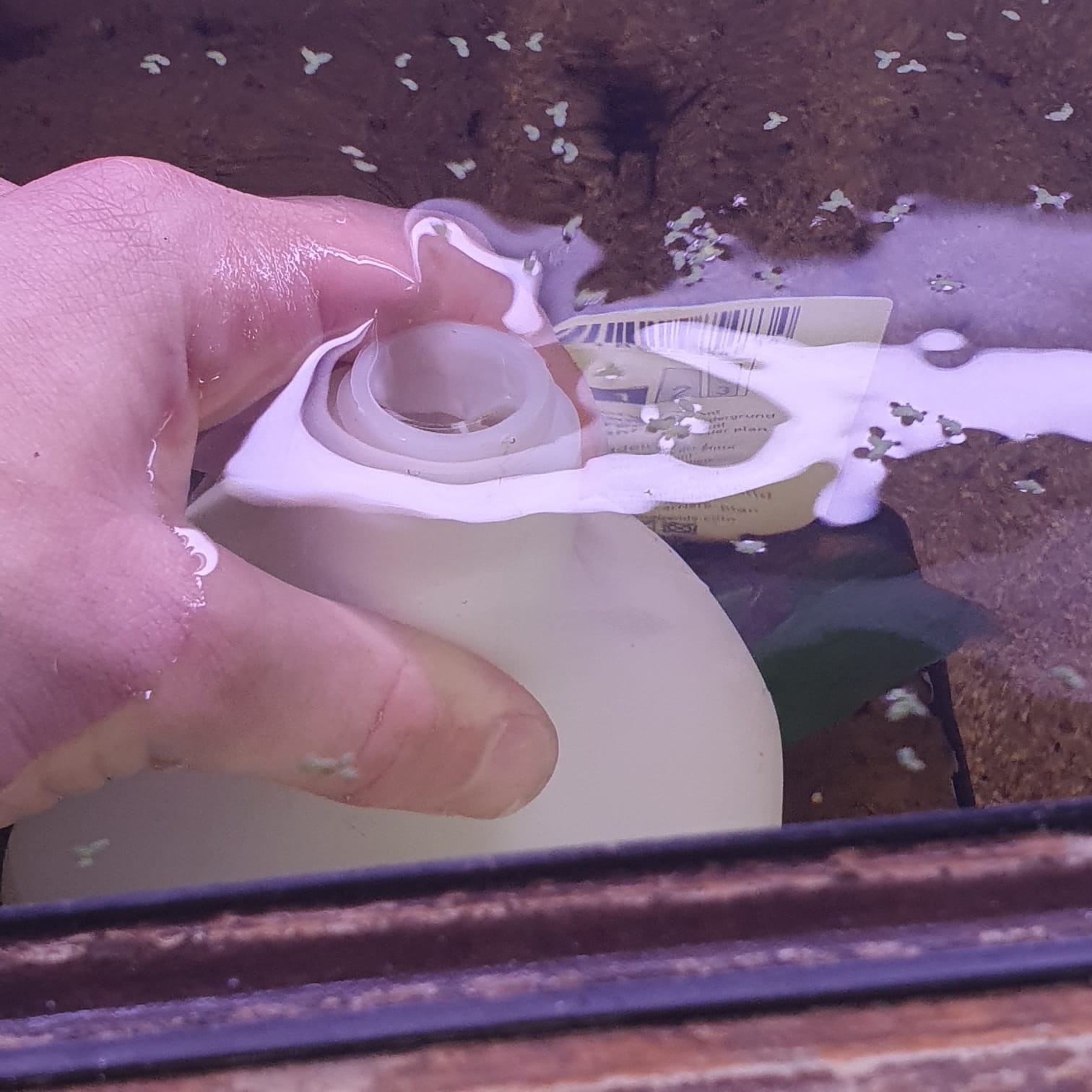
Follow these steps:
- Remove as much duckweed as possible with a dip net.
- Fill your aquarium slightly fuller than normal so that the duckweed on the sides comes loose.
- Let the bottle or container float on the water.
- Tilt the bottle or push it slightly deeper so that the water flows over the edge, sucking the duckweed in.
- Empty the bottle or container and repeat this process until all the duckweed has been collected.
This method is both simple and effective. Don't forget to remove all the leaves, as even a single leaf can cause the duckweed to regrow!
The Goldfish Method
I discovered this unique method by accident! All our aquariums were full of duckweed, except for one tank with two goldfish and a goldfish.
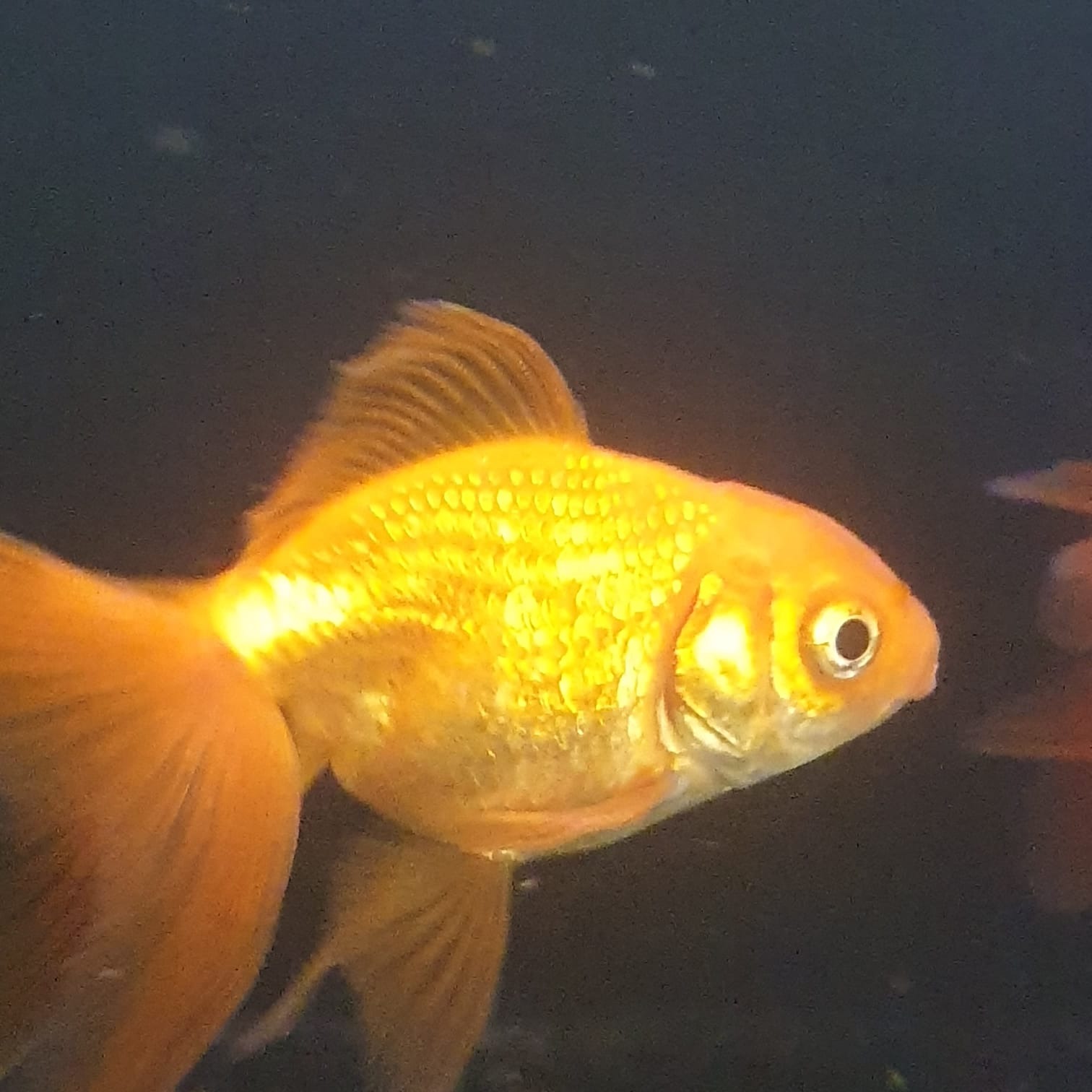
These goldfish had no problem with duckweed, but they did with Pistia stratiotes . When we moved the goldfish to the tank with Phyllantus fluitans and duckweed, all the duckweed quickly disappeared, while the Phyllantus fluitans remained.
Do you happen to have goldfish in your aquarium? Then try this method! Don't be surprised if your goldfish poop bright green for a week – that proves this method works!
Which aquarium fish eat duckweed?
If duckweed starts to become a pest in your aquarium, fortunately, there are fish that will happily eat these plants. Here's a list of fish species that can help keep duckweed under control!
| Fish species | Description |
|---|---|
| Goldfish | These fish are notorious for eating duckweed, especially the larger species such as veiltails. |
| Veiltail | A variant of the goldfish that also loves duckweed. |
| Koi | These pond fish have a strong preference for duckweed and other floating plants. |
| Silver carp | A larger fish that often lives in ponds and also likes to eat duckweed. |
| Tilapia (Cichlid family) | This fish species also likes to eat duckweed, thus helping to limit its growth. |
The benefits of duckweed
Did you know that duckweed isn't all bad? It also has some benefits! It's often used in breeding tanks, especially for fish species that build bubble nests. Fish feel safer with overhead shelter, and duckweed offers excellent protection for your creatures.
In addition, duckweed plays an important role in absorbing nitrates, making it a quick solution if there are too many nitrates in your aquarium.
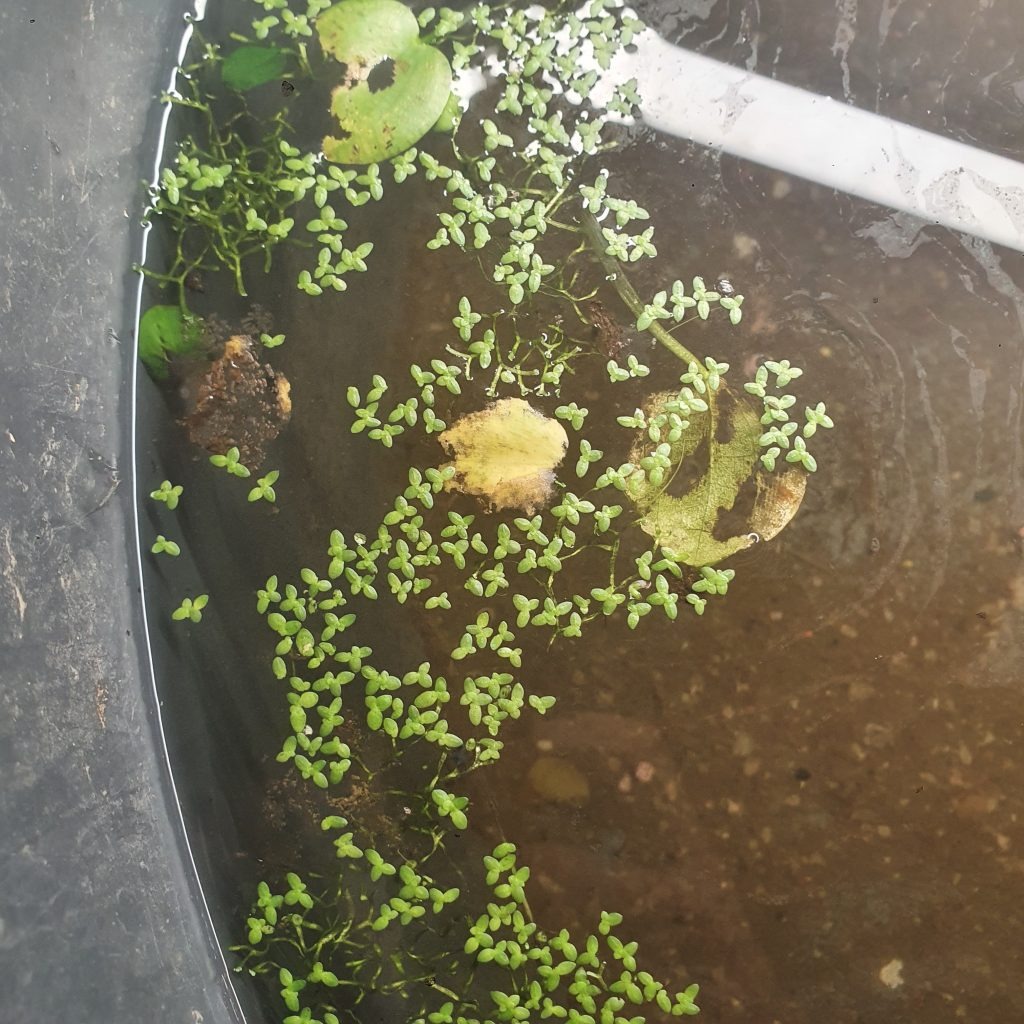
Is duckweed the ideal floating plant? Not quite. We recommend choosing other floating plants, which are less likely to become a plague. There are more beautiful alternatives on the market. So be sure to visit our online selection of floating plants !
You can also use a floating plant ring. This allows you to partially maintain the open surface of the water. I explain how to make this in the article about floating plant rings >
Questions or want to share your own experiences? Contact us via WhatsApp >


