

The most common fish diseases and their treatment
It's essential to recognize the symptoms of common diseases and know how to treat them effectively. This article discusses some of the most common aquarium fish diseases and provides practical tips for treatment and prevention.
Common aquarium fish diseases include white spot, fin rot, and fungus. These can be treated with medication, improved water quality, and isolation of sick fish.
1. White spot (Ichthyophthirius multifiliis)
White spot disease, also known as ich, is one of the most common and easily recognized diseases in aquarium fish. The disease is caused by a parasite that causes white spots on the fish's skin, fins, and gills. Fish with white spot often exhibit rubbing movements against aquarium objects in an attempt to rid themselves of the parasites.
Treatment: Gradually increase the water temperature to approximately 30°C (86°F), as the parasite is sensitive to higher temperatures. Additionally, use a commercially available anti-Ich medication. Isolating infected fish can help prevent further spread.

2. Fin rot (Bacterial infection)
Fin rot is a bacterial infection that often occurs in aquarium fish with damaged fins or in aquariums with poor water quality. The disease usually begins at the edges of the fins and causes a ragged appearance. If left untreated, the infection can spread and completely destroy the fins.
Treatment: Improve water quality by performing regular water changes and monitoring filter performance. Use an antibacterial medication specifically formulated for fin rot. Isolating affected fish is also recommended.

3. Bacterial Fungus (Saprolegnia spp.)
Fungal infections often appear as white, fluffy patches on the fish's skin, fins, and gills. These infections usually occur as secondary infections, following injuries or as a result of weakened immunity due to poor water quality.
Treatment: Remove sick fish from the aquarium and treat them with a suitable antifungal agent. Improve the water quality to prevent further infection. Note that fungal infections often indicate an underlying problem, such as injury or stress.
4. Swim bladder problems
Swim bladder problems can have several causes, including overfeeding, constipation, infections, or congenital abnormalities. Fish with these problems have difficulty swimming and often remain at the surface or sink to the bottom.
Treatment: Stop feeding the fish for 24-48 hours and then offer only easily digestible food, such as shelled peas. If symptoms persist, medication or veterinary consultation may be necessary.
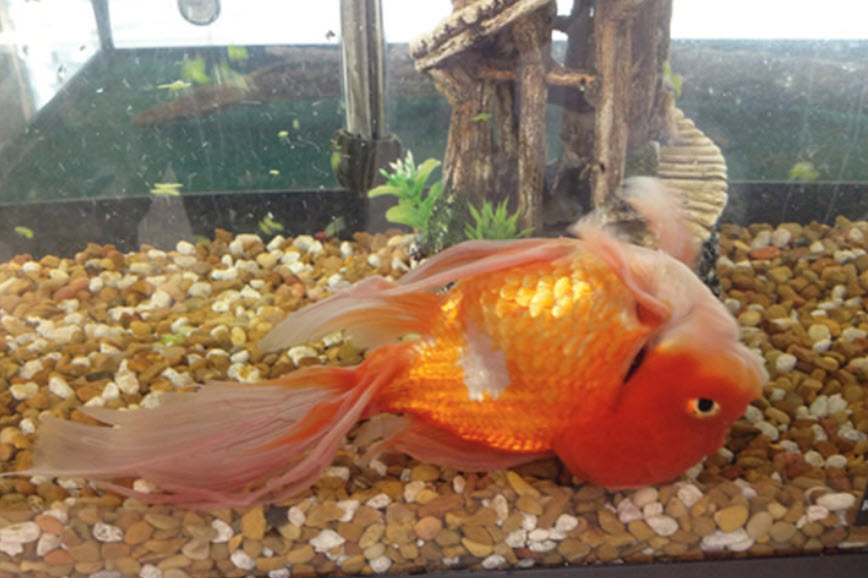
5. Gill worms (Dactylogyrus)
Gill flukes are small parasitic worms that attach to the gills of fish, causing respiratory problems. Infected fish may show signs of oxygen deficiency, such as gasping at the surface of the water.
Treatment: Use an antiparasitic medication specifically designed for flukes. Increase aeration and oxygen levels in the aquarium to reduce stress on the fish. Ensure the water parameters are optimal.
8. Mold (Flexibacter columnaris)
Columnaris is a bacterial infection that causes a cottony appearance on the mouth, fins, and gills of fish. It can often be confused with fungal infections.
Treatment: Use an antibacterial agent and increase the water temperature to inhibit bacterial growth. Improve hygiene and reduce stress in the aquarium.

9. Internal parasites
Internal parasites can affect the digestive system of fish, causing symptoms such as weight loss, abdominal bloating and changes in stool.
Treatment: Use a dewormer specifically designed for aquarium fish. Maintain a quarantine period for new fish to prevent the introduction of parasites.

10. White Mouth Disease (Mouth Fungus)
Whitemouth disease, caused by the bacterium Flavobacterium columnare, resembles fungal infections and causes white, cottony patches around the fish's mouth. This infection can spread quickly and disrupt the fish's breathing and feeding.
Treatment: Gradually increase the water temperature and use a suitable antibacterial medication. Improve water quality and reduce stress in the aquarium to promote recovery.

Table: Common aquarium fish diseases and their treatment
| Disease | Symptoms | Treatment |
|---|---|---|
| White dot | White dots on skin and fins | Increased water temperature, anti-Ich medication |
| Fin rot | Frayed fins | Antibacterial drug, improving water quality |
| Bacterial Fungus | White, fluffy spots | Antifungal agent, isolation of infected fish |
| Swim bladder problems | Difficulty swimming | Stop feeding, easily digestible food |
| Gill worms | Breathing problems | Antiparasitic drug, increased aeration |
| Mouth fungus | Cottony appearance on mouth, fins | Antibacterial agent, improved hygiene |
| Internal parasites | Weight loss, bloating | Deworming agent |
| White mouth disease | White, cottony patches around mouth | Antibacterial drug, improved water quality |

Looking for professional help with your aquarium? Do you have questions about your aquarium or need expert advice? Our home service offers everything you need to keep your aquarium in top condition. From installation to maintenance, we're here for you!
See how we can help you with a smile:

It's crucial to monitor the health of your aquarium fish and intervene quickly when signs of illness appear. By maintaining good water quality, minimizing stress, and providing a balanced diet, you can reduce the risk of disease. If you do notice illness, it's important to act quickly and effectively to restore your fish's health.
With the right care and attention, you can enjoy a healthy and vibrant aquarium, full of happy and healthy fish!


