

Aquarium snails, everything you need to know!
Every aquarium has them at some point: aquarium snails. They're unavoidable, and they always appear out of nowhere. If you're not careful, they can even become a real plague. You either love them or hate them... this is everything you need to know about aquarium snails.
Fish food sometimes contains snail eggs, or snail eggs are introduced with newly purchased aquarium plants or fish. There are many different types of snails, and each species has its advantages and disadvantages.
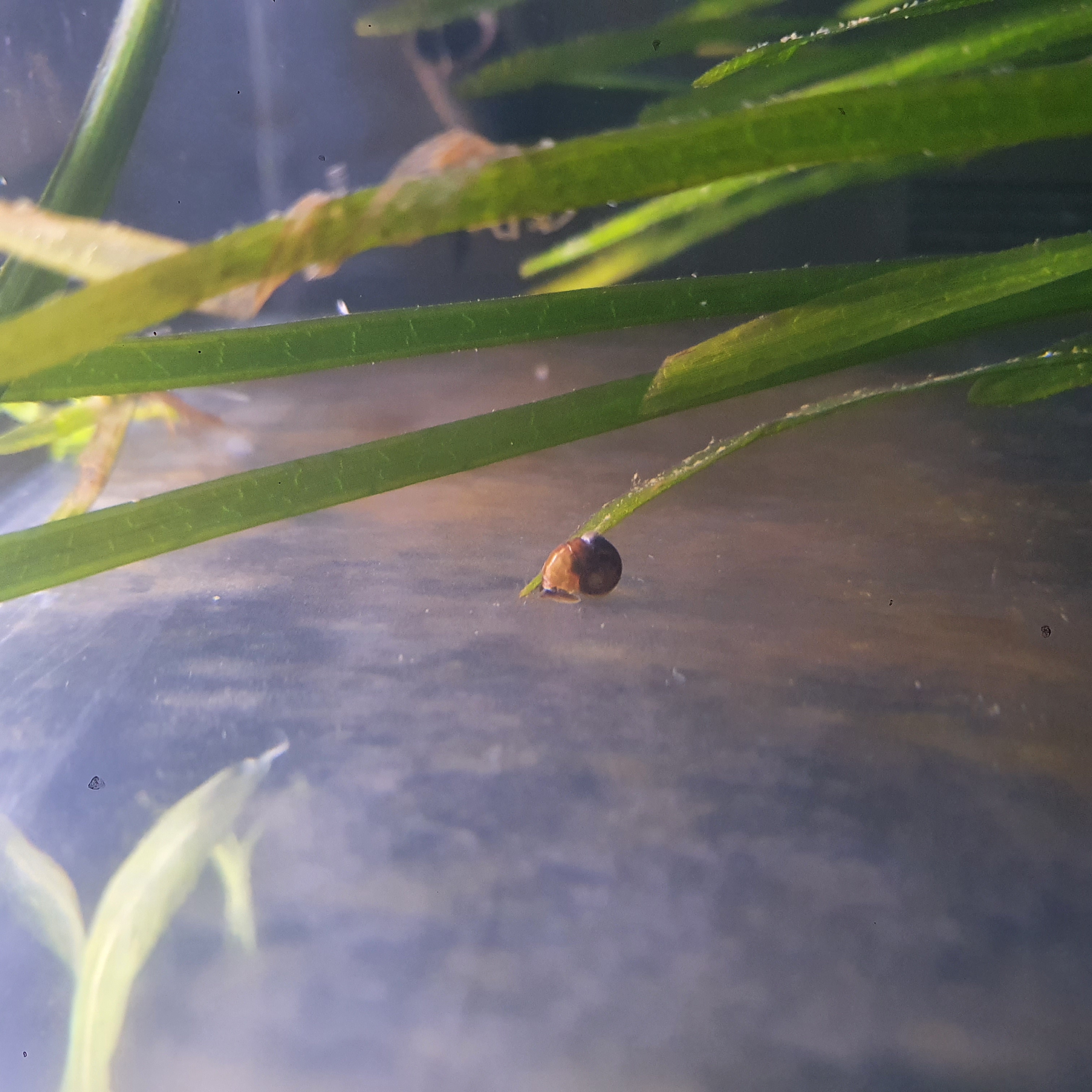
Are snails bad for your aquarium?
Aquarium snails don't harm your aquarium. In fact, they're incredibly beneficial because they eat algae, mulch, and organic waste. Snails belong in your aquarium because they're also part of a natural ecosystem. Without snails, you have no one to eat the plant matter and mulch (that brown stuff that collects on the gravel).
You just need to make sure the snails don't become a plague. Once they do, they can be harmful to the aquarium. Every snail defecates, so when there are a lot of snails, there's also a lot of snail poop, and that means you'll have to pump out your filter.
Even if you use medication or a chemical that kills all the snails, you'll suddenly have several hundred dead, rotting snails in the tank... you don't want that! This is bad for the filter and the balance in your aquarium, and it will result in algae growth or dirty aquarium water.
Do you have a question about your aquarium?
Need quick answers to your aquarium questions or help solving a problem? Send us a message via WhatsApp and get immediate advice from our aquarium experts! Click the link below to chat:
Chat with us on WhatsApp now!We're here to help you take your aquarium experience to the next level!
Are aquarium snails beneficial, and if so, why?
Aquarium snails can be incredibly beneficial. By combining the right species, you can dedicate a significant portion of your maintenance to them! They eat algae, organic waste, dead leaves, dead fish, and anything else they can find. However, they're not beneficial if they become a real pest. Therefore, prevent a snail infestation by limiting organic waste.
Looking for personalized advice on what to do with your aquarium snails? We offer on-site service and maintenance, and you can always send us a WhatsApp message . However, a WhatsApp message might not always be enough; you might actually have a problem with your aquarium. Then check out our Aquarium Home Service.
Make aquarium snails useful! And prevent a plague…
Prevent an aquarium snail infestation by limiting organic waste. This includes siphoning the substrate, changing the filter, and scrubbing brown algae. You can also remove them manually, which will eliminate most of the snails.
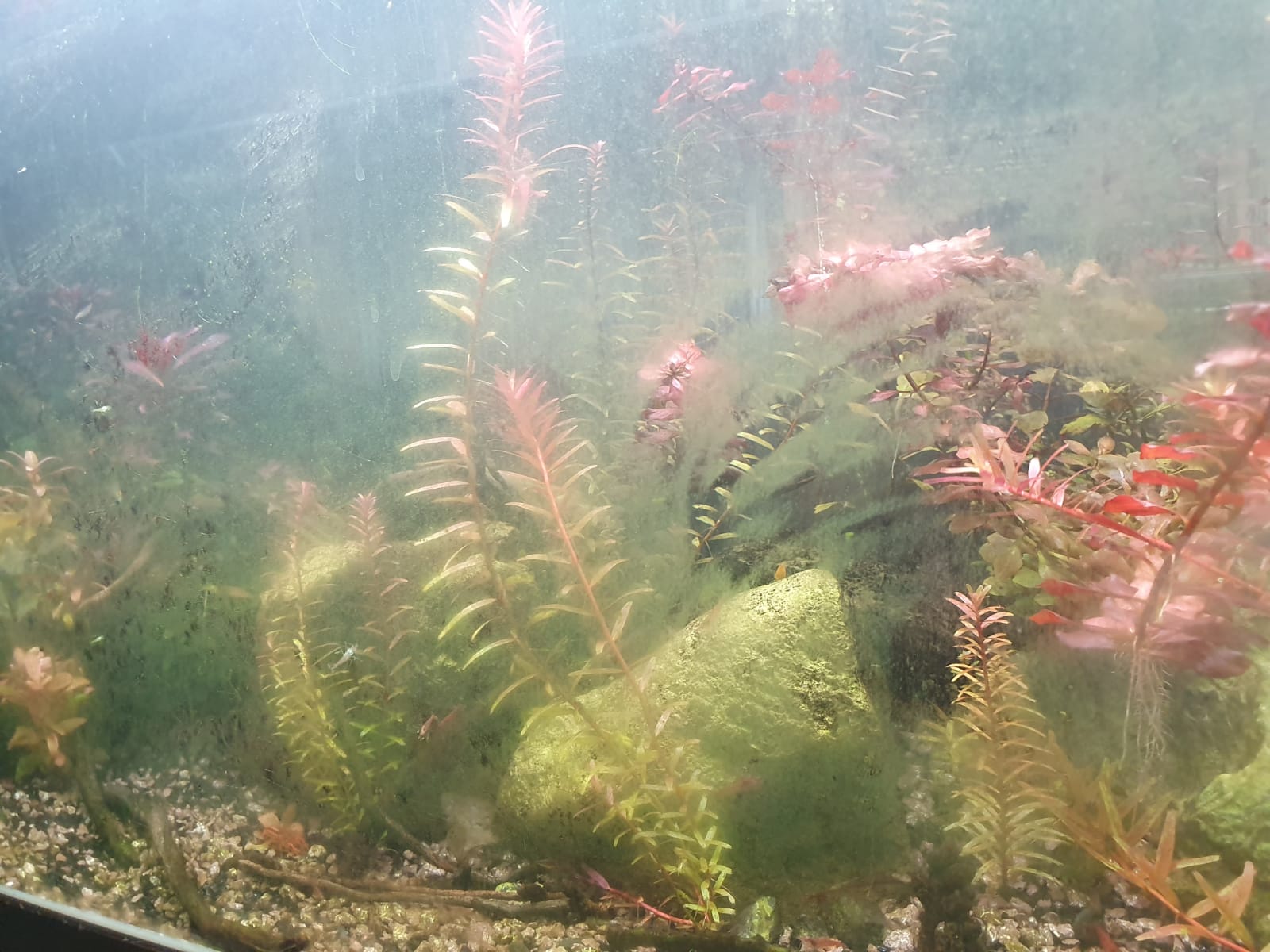
Snails love brown aquarium algae. Therefore, prevent brown aquarium algae from growing on your plants and the glass. We discuss this in the article "Aquarium Under Brown Algae."
What types of aquarium snails are there? + the benefits!
There are many different aquarium snails. There are different types, colors, sizes, and varieties. We've listed several different species here, along with descriptions and pros and cons.
The apple snail (Pomacea Bridgesii)
This is a fairly common species. Until 2019, these snails were allowed to be imported, but because they are harmful to the Dutch environment, they are no longer permitted. They are an ideal snail to keep as a beautiful specimen in the aquarium. They eat a variety of organic waste and can also grow quite large.
Advantage: They look nice and are easy to grow.
Disadvantage: They need to be supplemented with vegetables or bottom-feeding fish food.
The pointed bladder snail (Physella Acute)
This snail species is the most common in aquariums. It can quickly become a pest. It's often not popular in our aquariums, even though it's one of the best algae-eating aquarium snails.
Advantage: It is the fastest algae-eating aquarium snail available.
Disadvantage: This snail is hermaphroditic, which means it reproduces very quickly.
The tower snail (Melanoides Tuberculata)
This snail originates from Africa and Asia and is ideal for the aquarium. They can also be kept in brackish aquarium water. It's an ideal snail species for bottom rot. These snails crawl through your substrate during the day in search of organic waste, keeping it nice and clean and aerated. At night, when your aquarium light is off, it emerges, so you won't be bothered by it during the day.
This snail improves your substrate by essentially stirring it up. This is good for your aquarium plants. The airy substrate promotes faster root growth. Visit our webshop to find suitable aquarium plants >
Advantage: An excellent bottom cleaner that keeps your aquarium gravel airy and clean. Disadvantage: It reproduces quite quickly and can easily become a pest.
The pond snail (Lymnaea Stagnalis)
This aquarium snail is also found in the Netherlands. They are good algae eaters and resemble a large bladder snail in the aquarium. They are less likely to become a pest, and I think they are one of the most beautiful snails there is.
Advantage: They do not quickly become a pest and do not poop much in the aquarium.
Disadvantage: It needs a slightly higher pH otherwise it cannot build its nest properly.
Cap snails (Acroloxus Lacustris)
I personally find this snail a nuisance. They're common in shrimp tanks because there aren't any fish in there to eat them. They crawl along the walls of the tank and are like transparent dots that eat minimal algae. I always remove them with an old card or I put a small fish in the tank that eats them.
Advantage: Reproduce quickly and eat minimal algae.
Disadvantage: These snails don't really add anything useful to the aquarium, but they can't do any harm.
The posthorn snail (Planorbarius corneus)
This snail species is my favorite! We have them in all our planters because they leave your plants undisturbed, are easy to spot and catch, and are good algae eaters. They're also decorative because they come in all sorts of different colors. You can find them in blue, yellow, brown, white, and many more.
These snails are real cleaners, making them effective against brown aquarium plants. Are you experiencing this problem? Then read the article about brown aquarium plants >
Advantage: Does not self-fertilize, eats algae well and looks good decoratively.
Disadvantage: Once you have a few of them, they can reproduce quickly. (This can also be an advantage


