

Red Aquarium Plants: A Guide to Success!
Red aquarium plants are always a challenge! That's why we've published this comprehensive article about how to make red aquarium plants a success in your own aquarium. Regardless of your skill level... We'll guide you through the world of red aquarium plants, on your way to success!
Red aquarium plants require more plant food, CO2, potassium, and iron. Because of this, they also need a lot of light to metabolize these nutrients, making them more difficult to maintain than green aquarium plants.
How do you ensure that red aquarium plants retain their color?
Maintaining the vibrant red color of your aquarium plants can be a challenging but highly rewarding task. The secret lies in the right combination of plant food , CO2 , and light . Let's break down this magical formula and discover how to make your red plants shine!
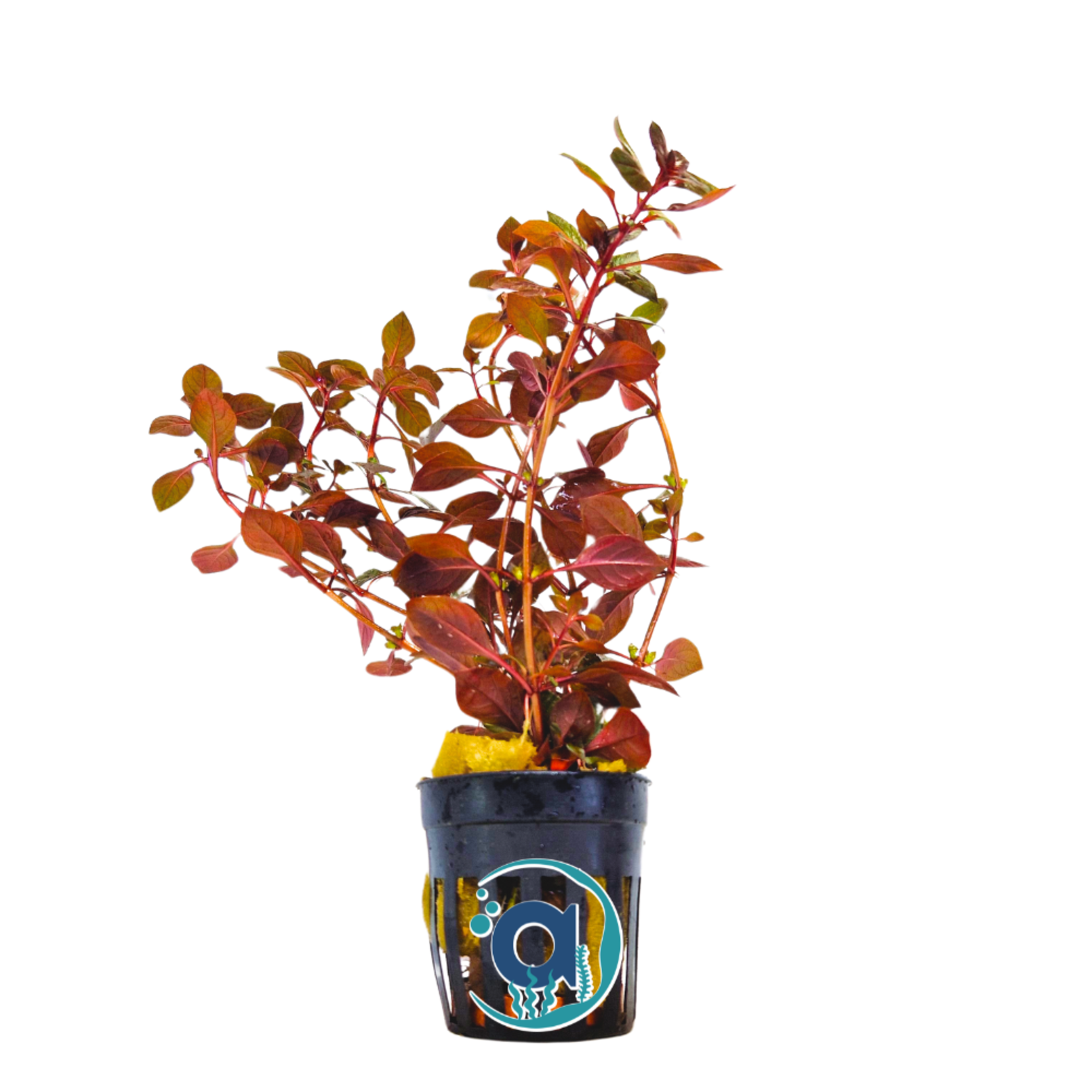
Looking for red aquarium plants? Discover our aquarium plant shop, with the most beautiful red aquarium plants. Click here for All Red Aquarium Plants >
Red aquarium plants have special micronutrient needs, especially iron and potassium . Think of iron as the artist responsible for painting those brilliant red hues (anthocyanins) on your plants. Without enough iron, their color fades and they turn green. Potassium acts as your plants' personal trainer , promoting their overall health and growth. A high-quality plant food rich in iron and potassium is therefore crucial for maintaining their red color.
CO2 is the lifeblood of your plants. It's essential for photosynthesis, the process by which plants convert light into energy. By adding CO2 to your aquarium, you increase photosynthesis efficiency, resulting in healthier and more colorful plants. Red plants often require more light and CO2 than green plants. Adding CO2 also helps reduce algae growth, which can compete with your plants for light and nutrients.
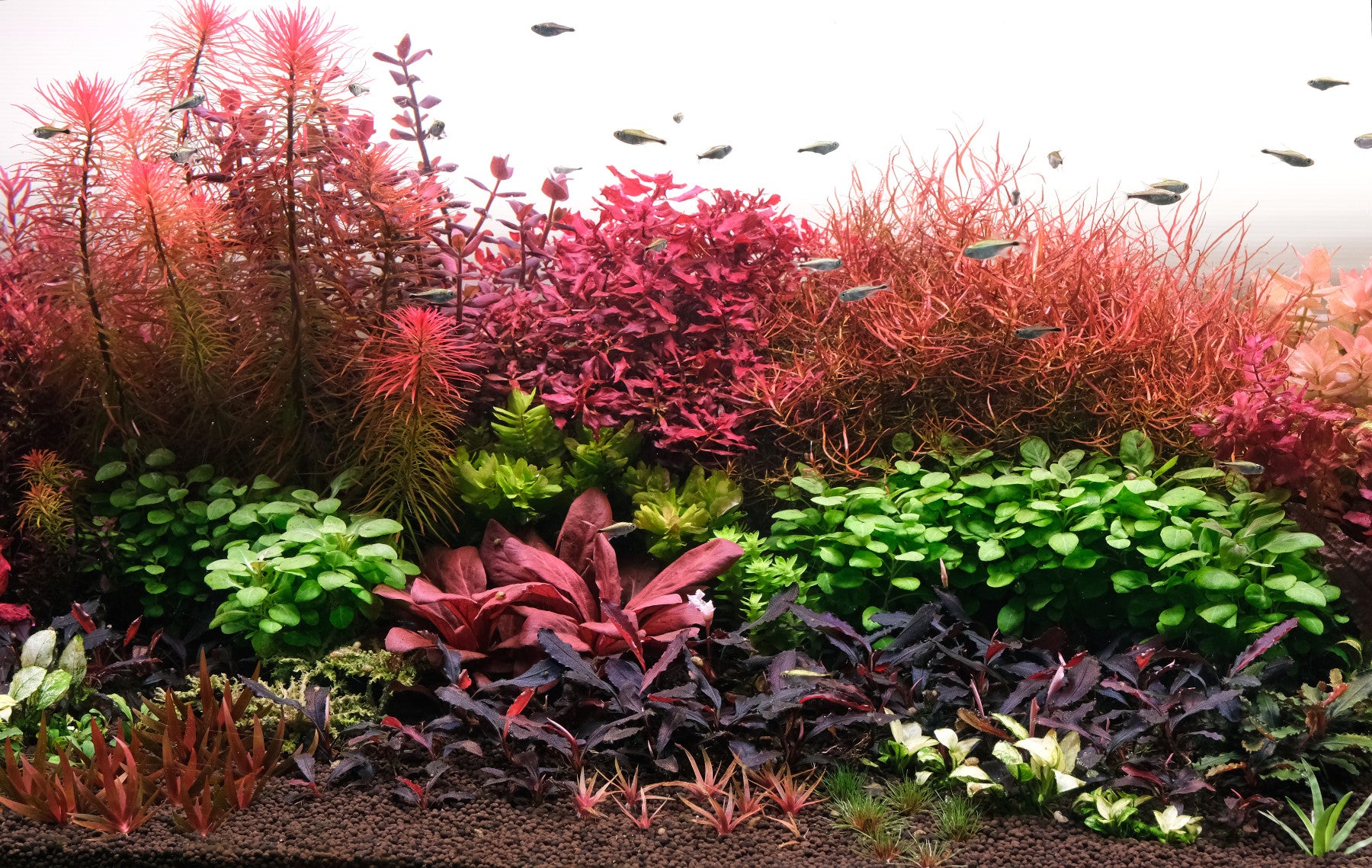
Besides nutrients and CO2, the right lighting plays a crucial role. Red aquarium plants often thrive under light with a higher red and blue spectrum. Use LED lighting specifically designed for aquariums to enhance the colors of your plants. The light should be powerful enough to reach even the lower parts of your plants.
Stable water parameters are the silent protectors of your plants . Fluctuations in pH, hardness, and temperature can cause stress, leading to color loss. Regular water changes help maintain a stable and healthy aquatic environment. Think of it as a spa day for your plants—they thrive in a stable and well-maintained environment.
With the right balance of nutrients, CO2, suitable lighting, and stable water parameters, you can ensure your red aquarium plants retain their vibrant colors. While this requires some attention and care, the reward is a beautiful and colorful aquarium that will become the focal point of your room.
Still experiencing problems with red aquarium plants? Our aquarium service can help! Aquania.nl provides on-site maintenance and advice, everything to get your aquarium back in top condition!
Find out more on our home service request page >
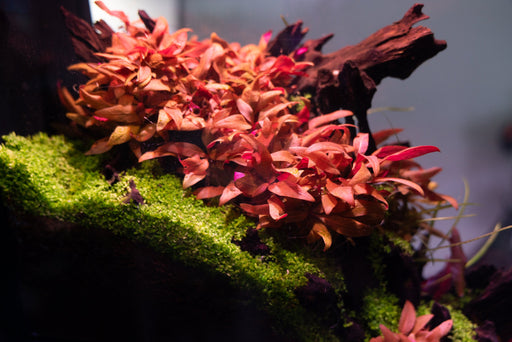
Which nutrients are essential for the growth of red aquarium plants?
Red aquarium plants require specific nutrients to grow optimally and maintain their vibrant color. Important nutrients include:
- Nitrogen (N): Promotes general growth and leaf development.
- Phosphorus (P): Supports energy production and root development.
- Potassium (K): Helps regulate osmotic pressure and promotes healthy cell structure.
- Iron (Fe): Crucial for photosynthesis and color intensity of red plants.
In addition to these macro- and micronutrients, a good CO2 supply is also essential for optimal growth and color retention. Want to start with a good all-in-one plant food? We've already made hundreds of customers happy with Aquatic Plant Solutions plant food. "This food really has everything you need."
Shop the All in One plant food here >
You can already get ahead of the biggest challenges by starting with easy-to-keep varieties. I'll explain more about this in the next section.

Which red aquarium plants are the easiest to maintain?
Choosing the right red aquarium plants can make a world of difference in your aquarium's maintenance. Here are some of the easiest-to-maintain red aquarium plants you should definitely consider. These plants not only add a beautiful red hue to your aquarium, but they also require minimal care.
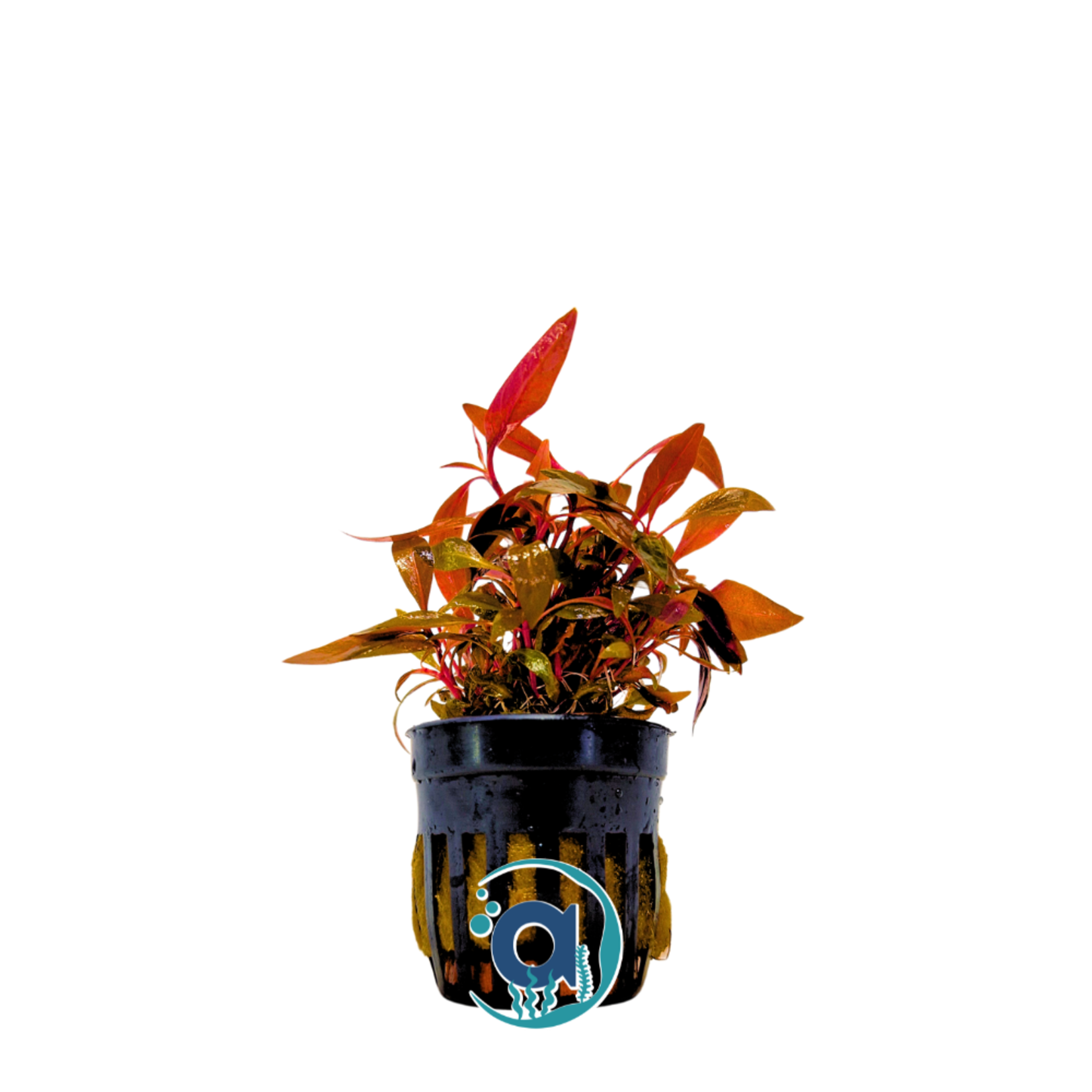
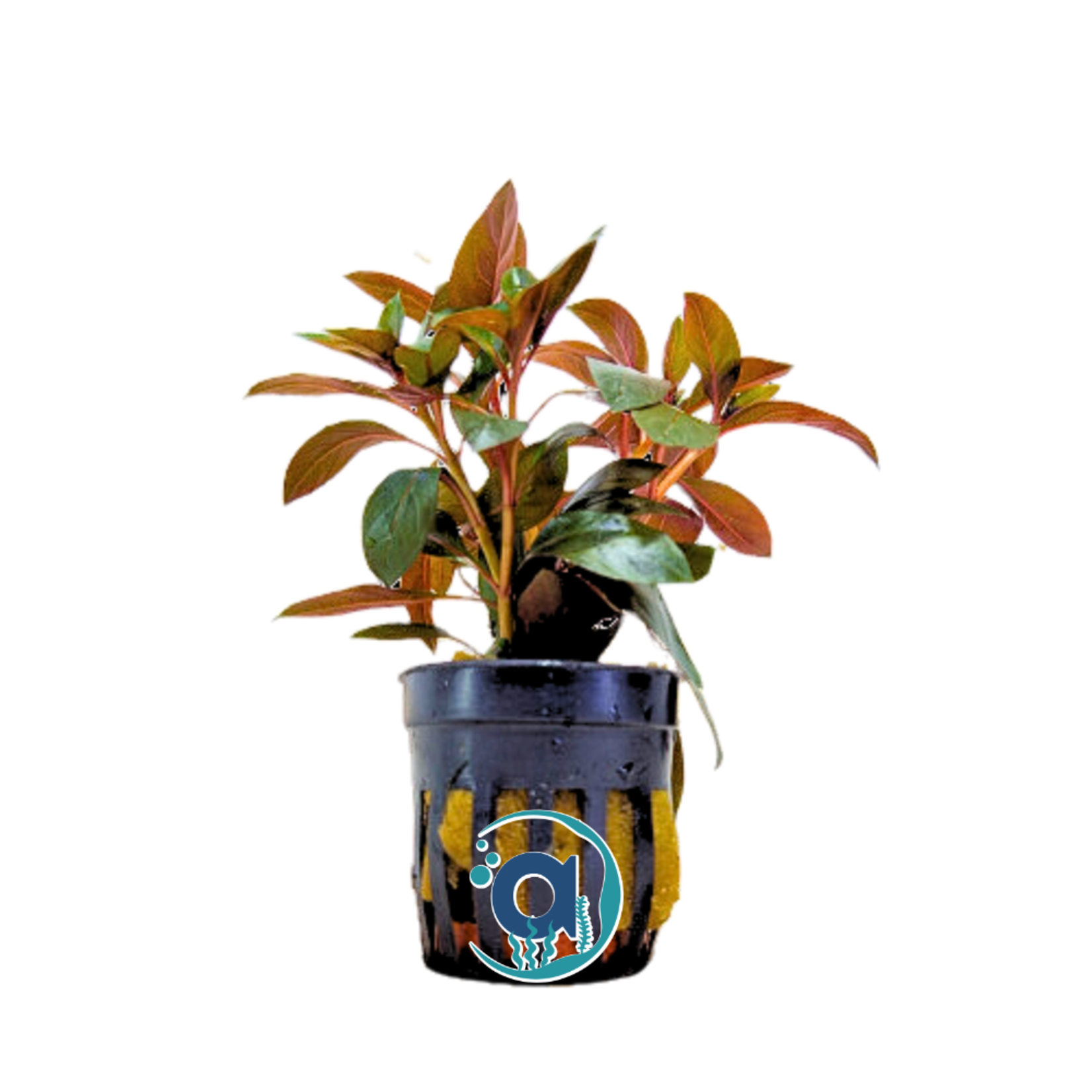
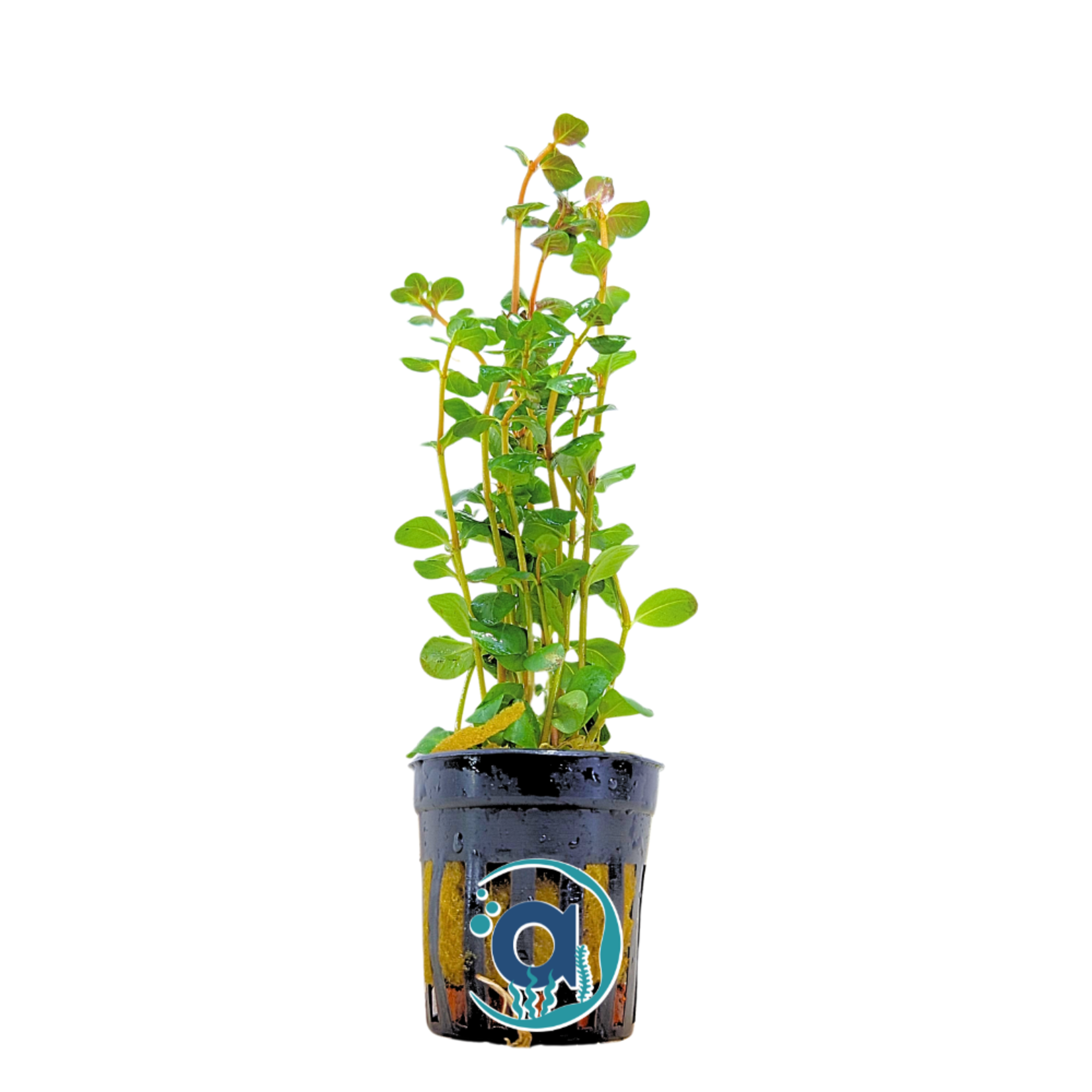
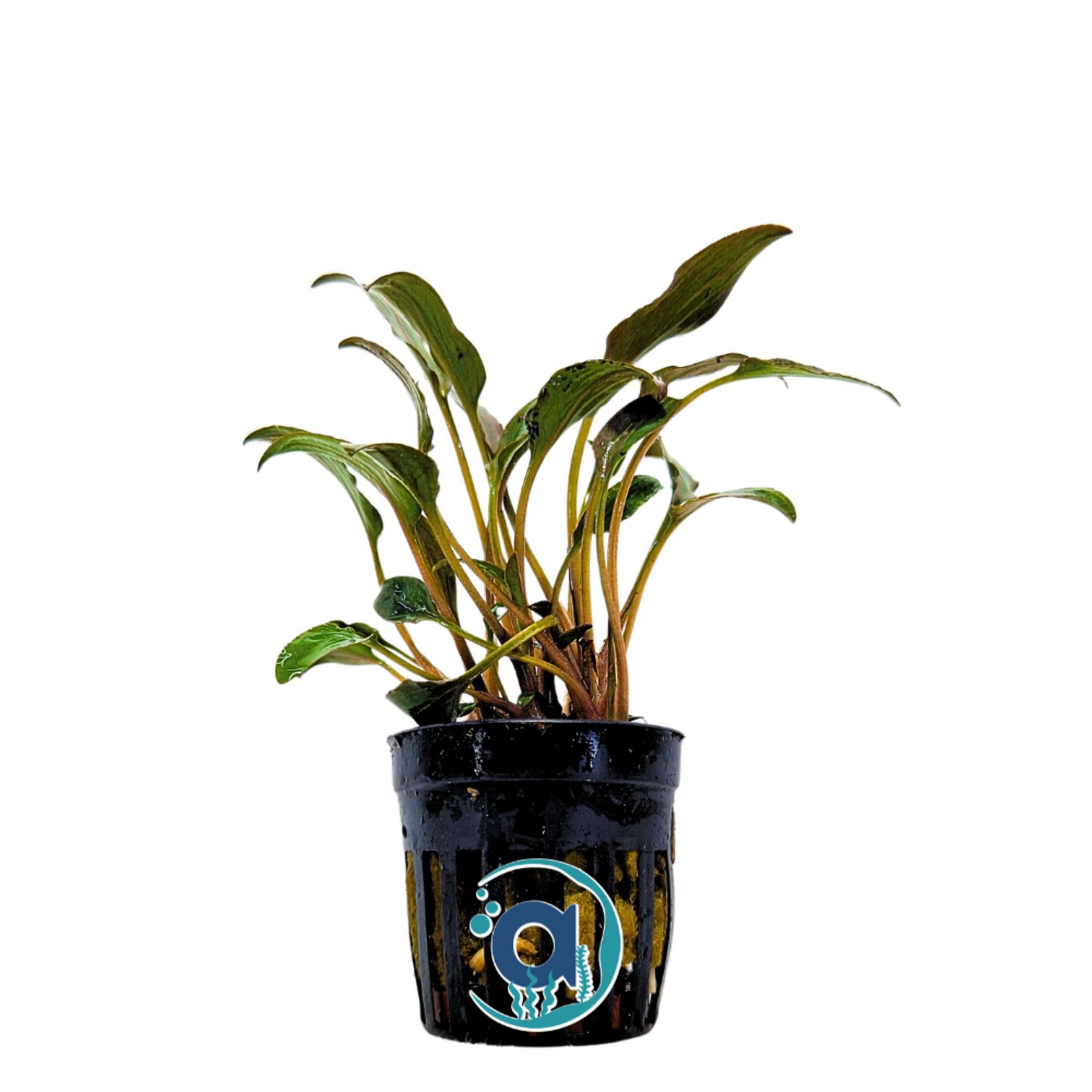
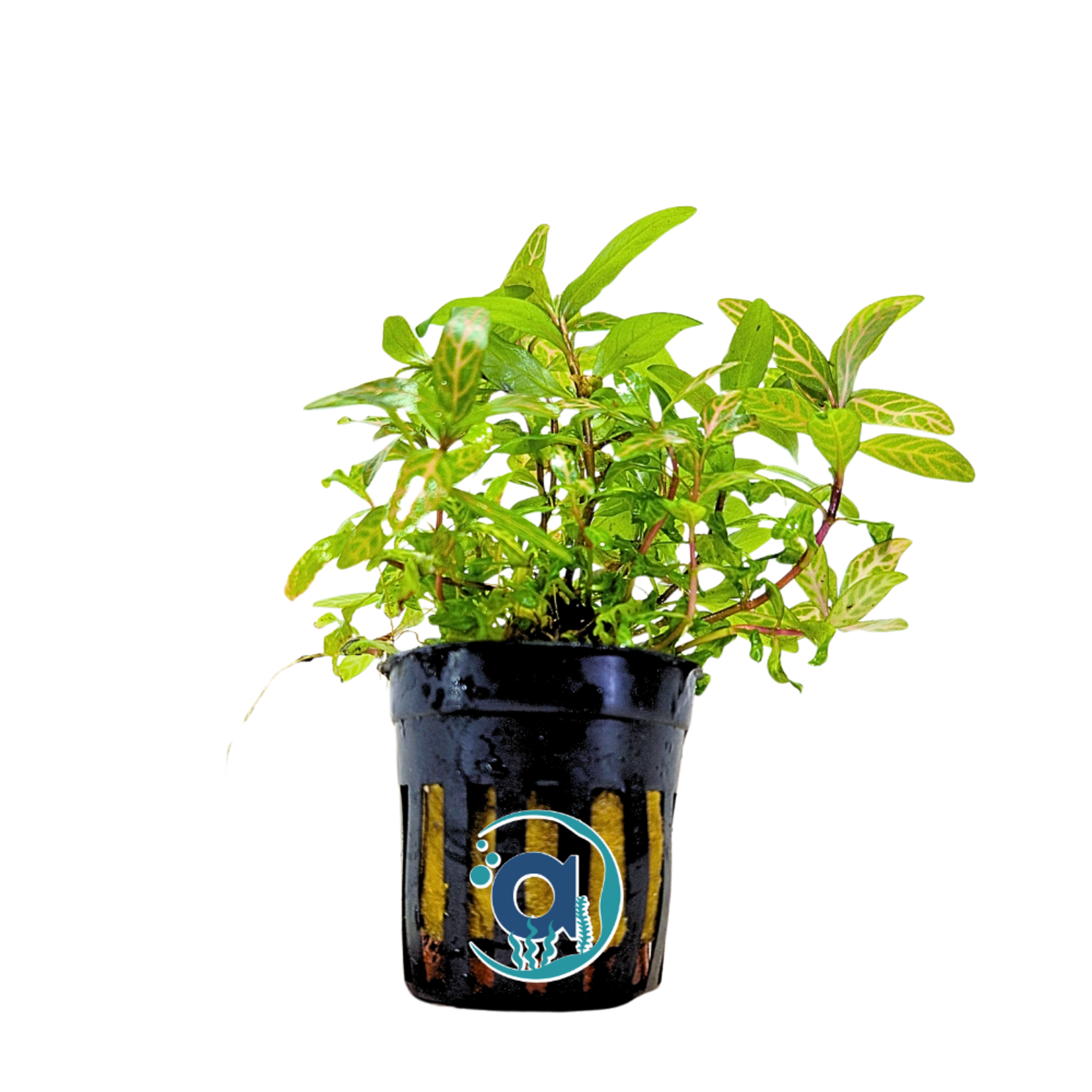
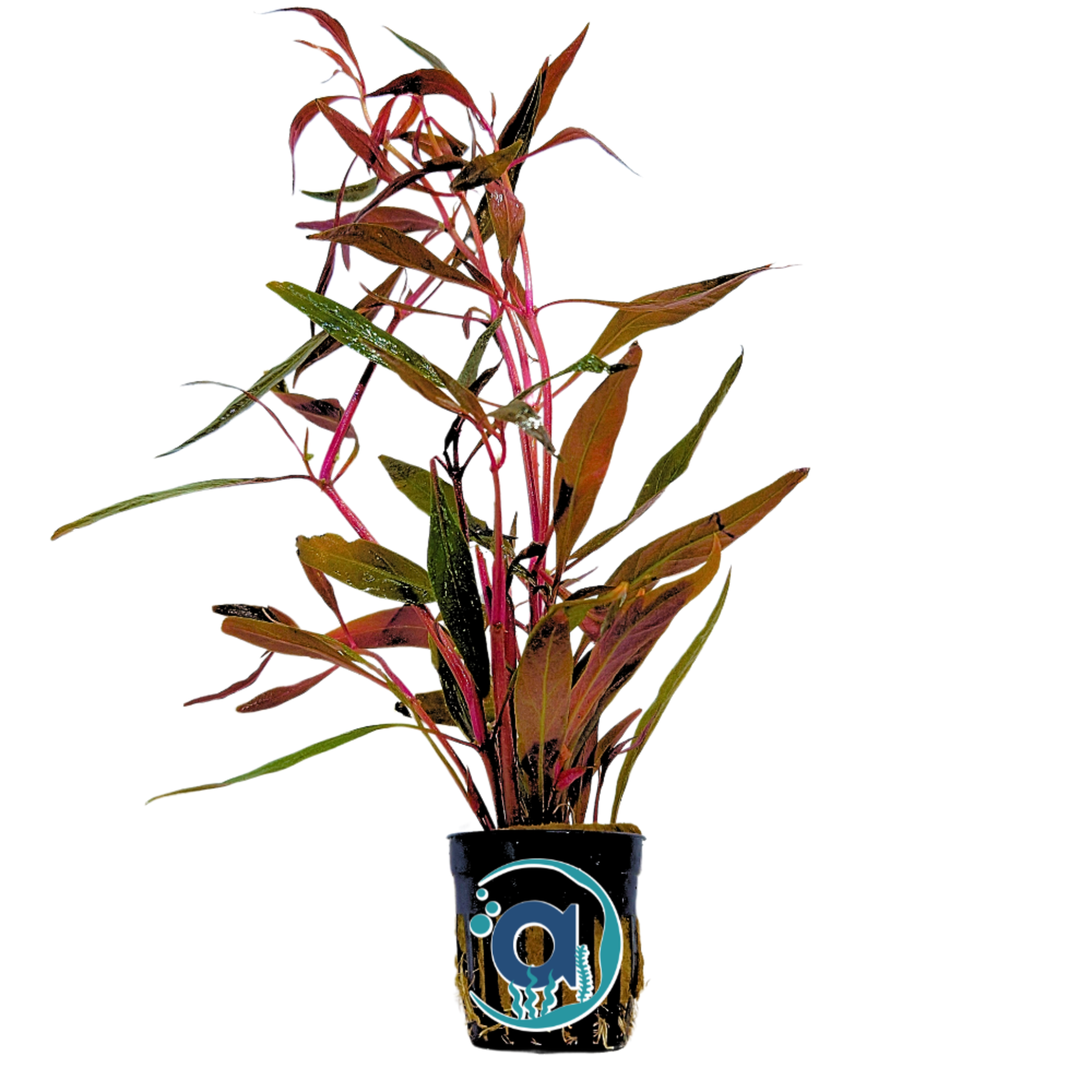
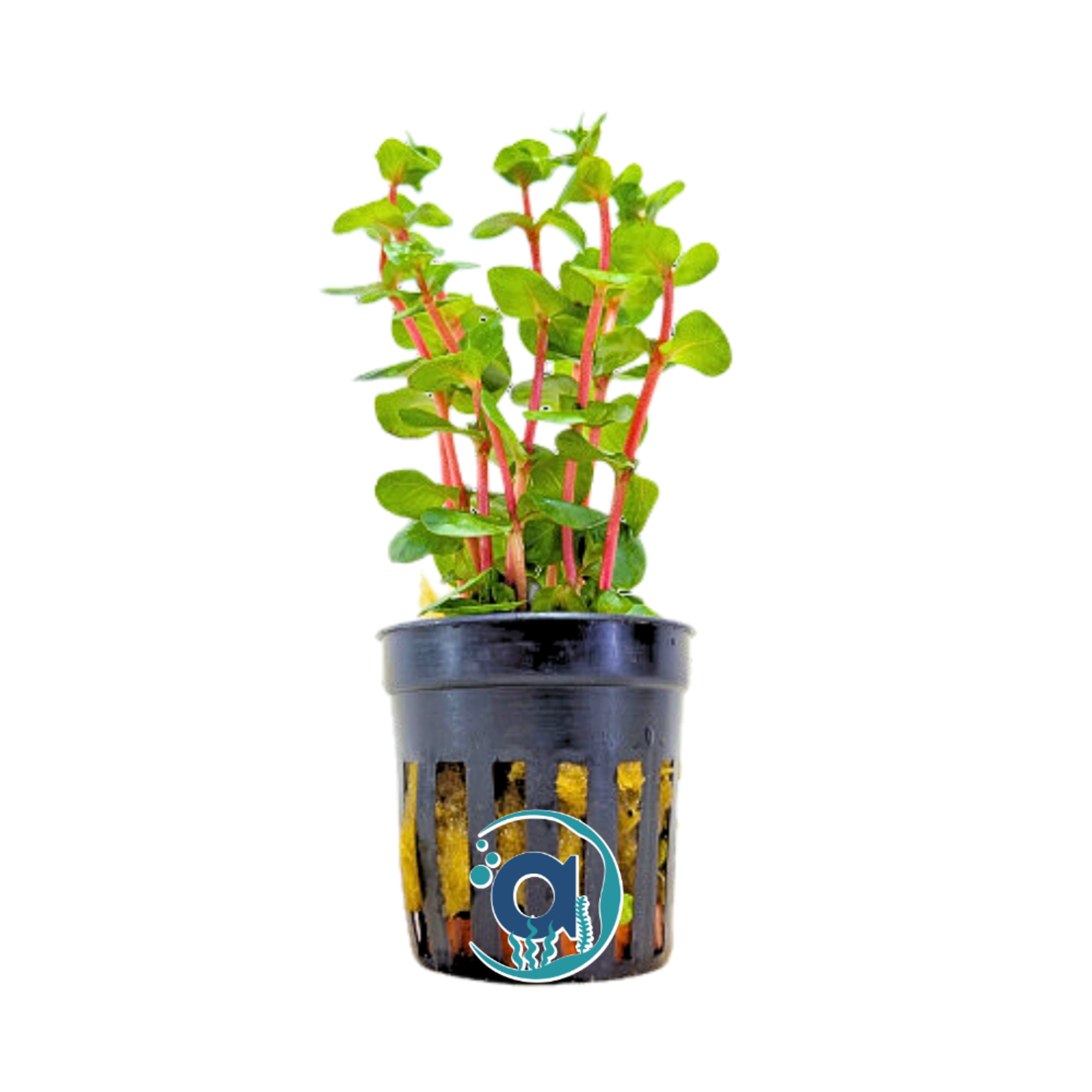
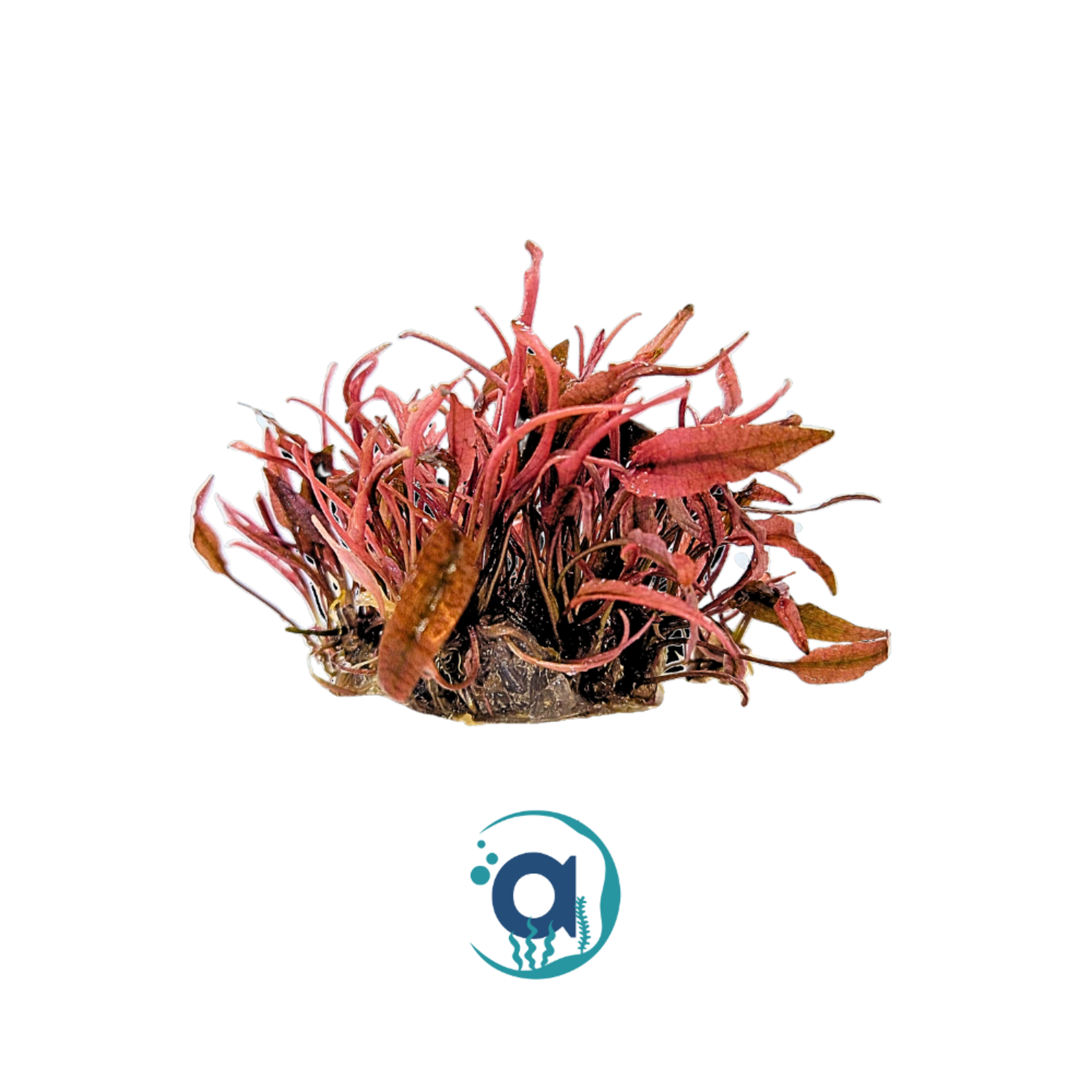
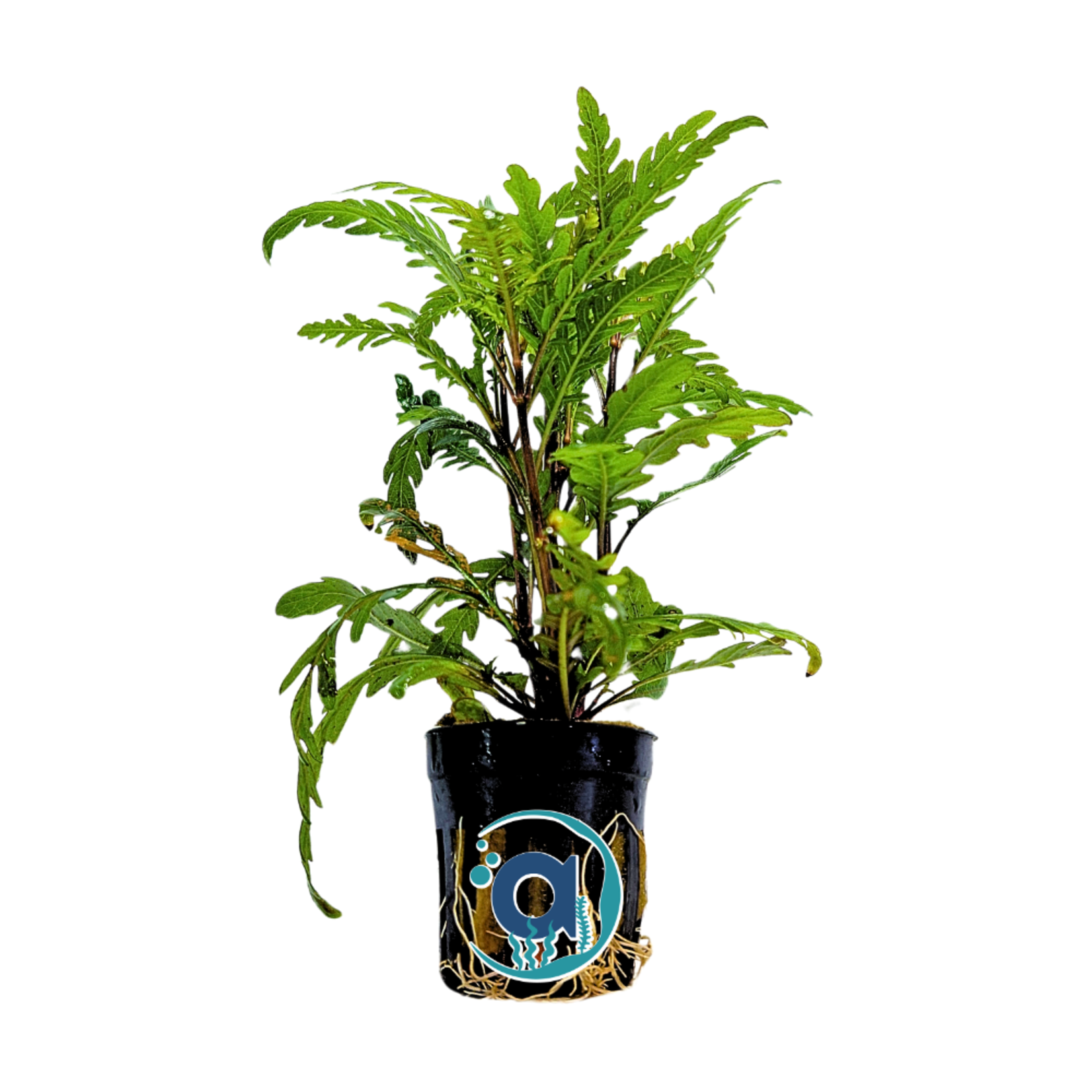
With these plants, you can easily start building a beautiful and colorful aquarium without worrying about complex maintenance. Make sure you provide the right lighting and nutrients to optimally preserve their beautiful colors; I'll tell you more about this in the next section.
Is there no red plant among them that you like or do you need a little more help?
Contact us via WhatsApp >
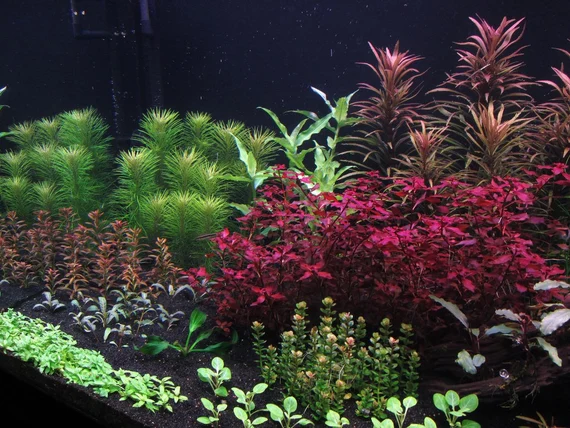
What are the best combinations of red aquarium plants with other colors?
Red aquarium plants are not only visually appealing, but they can also be a great addition to your aquarium's overall aesthetic. Combining red plants with other colors creates a vibrant and dynamic ecosystem. By making smart choices, you can ensure the colors complement each other and enhance the depth of your aquarium.
An important consideration is the plants' light requirements. Red aquarium plants often require more light to maintain their color. It's essential to choose plants with similar light and nutrient requirements. This ensures they stay healthy and thrive in the same environment.

The contrast between the colors also plays a significant role. Red can contrast beautifully with green, creating a natural look. Combining different colors helps create balance in your aquascape and draws attention to specific areas of the aquarium.
By considering these aspects, you can create a visually appealing and harmonious aquarium that is not only beautiful to look at but also promotes the health of your fish and plants.
Looking for advice on which aquarium plants you need? Professional advice... then our e-book is for you! In this e-book, we create a planting plan for your plants, so you'll know exactly what you need and where you can supplement with various (red) aquarium plants.

View our E-Service here: E-BOOK: Custom Aquarium Planting Plan >
Thanks for reading the full guide; a lot of work went into it. A feedback or a Google review of our blog service would be appreciated.
Thank you very much and see you next blog!
Any questions?
Send us a WhatsApp message >


