

Keeping aquarium tubers successfully
Larger tubers like Nymphaea Stellata are easy to hold in place with weights, such as a plant ring. However, this isn't always easy with smaller tubers, which can cause them to become pinched. This isn't good for any tuber and often causes the tuber to die.
Properly securing aquarium plants, especially tuberous plants like Nymphaea Stellata, is essential for their health and growth. Here are some tips for correctly securing tuberous plants:
- Use ceramic plant rings : Ceramic plant rings are commercially available for placing tubers. These rings hold the plants in place and prevent the tuber from being pinched. They allow the roots to develop properly. You can find them at the bottom of your 5cm plant pot.
- Use sand or fine substrate : Place the tubers in a soft substrate such as fine sand or a substrate specifically designed for aquarium plants. This makes it easier for the tubers to establish themselves and develop roots without getting crushed.
- Avoid planting too deeply : Don't plant the tubers too deeply in the substrate. Burying them too deeply can damage the tubers. Place them in the substrate with approximately the top half or two-thirds of the tuber above the surface.
- Reinforce with stones : For larger tubers like Nymphaea Stellata, you can use stones or aquarium decorations to hold them in place. Carefully place the tuber on the substrate and use the stones to hold it in place.
- Monitor growth : As the tubers grow, they can establish themselves by developing roots. Make sure the plants have time to establish themselves before removing any stones or decorations.
- Consider pots : Some aquarium enthusiasts use pots with holes to house tuberous plants. This can be a useful way to prevent the tuberous plants from spreading and to keep them in place.
Properly securing tubers is crucial for keeping them healthy and thriving in your aquarium. It prevents damage to the tuber and allows the plant to develop strong roots for optimal growth.
Tip: place the tuber lightly in the gravel or between some wood!
Also pay attention to decorations and other plants: the tuber may quickly get too little light and not establish properly, making the tuber appear dead.
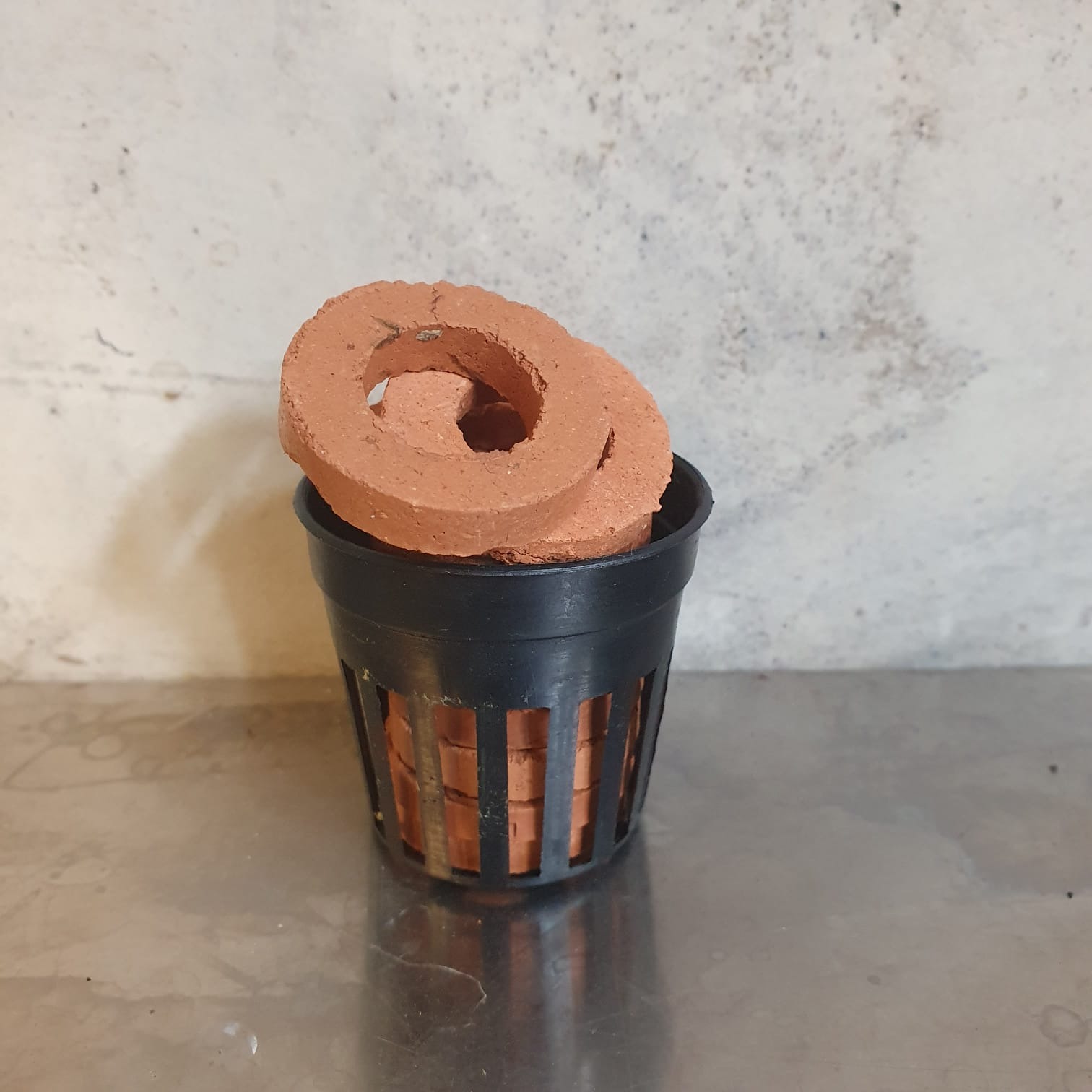
How do you properly plant a lotus tuber?
Growing aquarium tubers can indeed require some patience and care, but with the right conditions and attention they can thrive and contribute to a healthy and vibrant aquatic ecosystem.
It's important to understand that creating an optimal environment for aquarium plants is crucial for their growth and well-being. This includes factors such as water flow, light, stability, and suitable substrate. The fact that tuberous plants, such as Nymphaea, rely on their reserves until they are ready to grow emphasizes the importance of providing the right conditions from the start.
The patience required to grow tuberous plants is often rewarded with beautiful blooms and healthy growth. Thank you for sharing your insights and tips! Aquarium enthusiasts will certainly benefit from this information when caring for their tuberous plants in the aquarium.
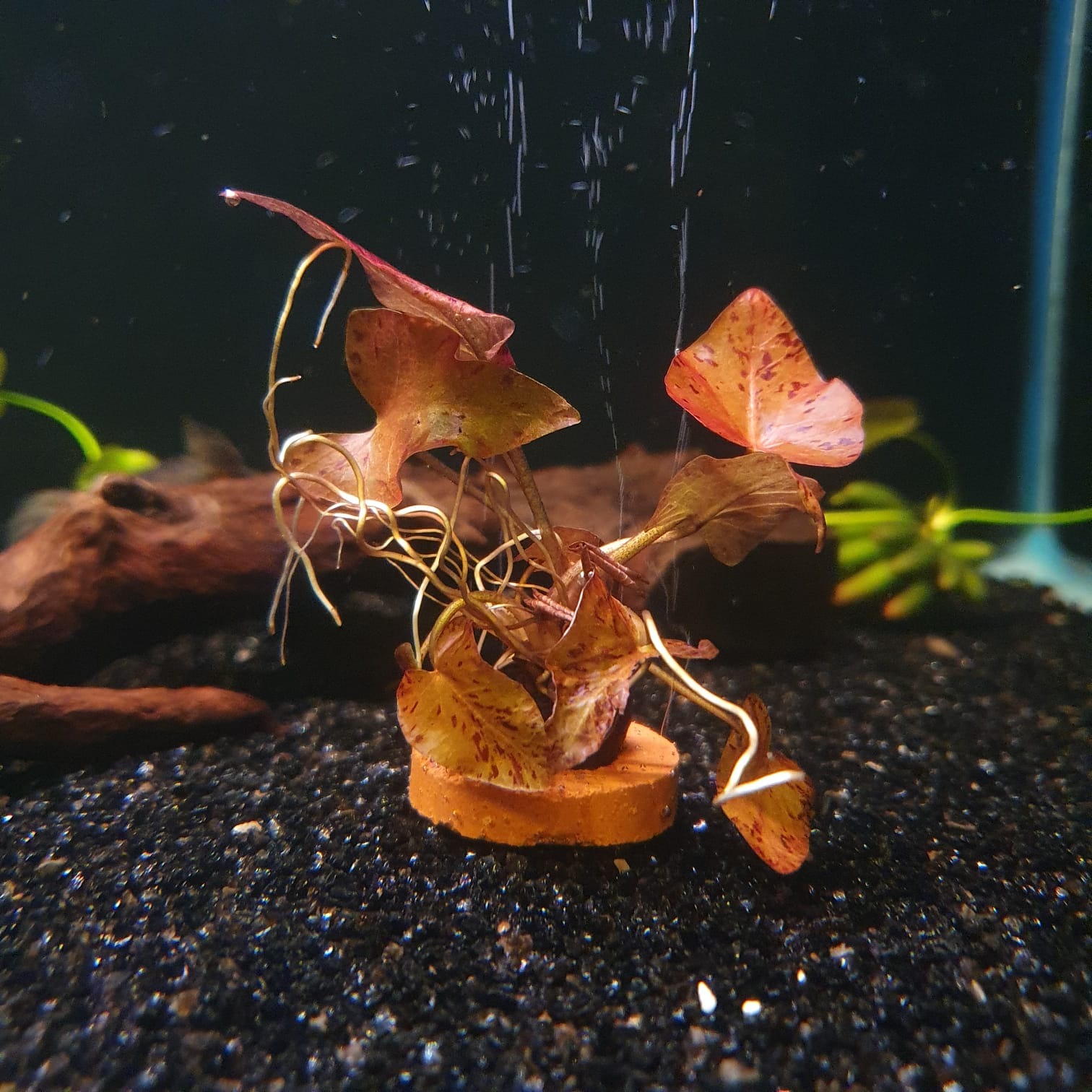
Top tubers for your aquarium
- Red Tiger Lotus : Produces beautiful red lilies, one of the most popular varieties.
- Green Tiger Lotus : This tiger lily produces green leaves.
- Aponogeton Henkelianus : Perfect for a lively aquarium with large leaves.
- Aponogeton Ulvaceus : An ornamental plant that stands out because of its long leaves.
- Aponogeton Madagascariensis : Ideal for a tropical touch, the holes in the leaves provide a unique look.
- Aponogeton Longiplumulosis : A beautiful look in your aquarium, perfect for that unique touch, with long slender leaves.
- Aponogeton Boivinianus : This rare tuber is a must-have for any serious aquarist! It grows quite large.
How do you give your tuber enough rest?
A helpful tip is to use a ceramic ring or filter wool to hold the tubers of smaller tiger lotuses in place in the aquarium. This provides stability and prevents the tubers from being displaced by the aquarium's current. Creating a stable environment for the tubers clearly contributes to their growth and development. It's always helpful to have practical solutions to ensure the plants can establish themselves and thrive.


