

What are the benefits of real wood for your aquarium?
Aquarium wood is good for water quality, lowering the pH and providing natural medicinal properties. This is due to the tannins released from the wood. The water may turn slightly brown, but this is not harmful.
There are countless types of aquarium wood available in the aquarium hobby, but which one should you choose? Should you soak aquarium wood? And why does the wood turn the water brown? In this article, we'll discuss everything about using real aquarium wood, including the pros and cons.
Choosing the perfect aquarium wood!
There are many different types of wood used in the aquarium industry. There are branches, trunks, and pieces of bark in various sizes. Some common wood types that are frequently used are:
- Talawa wood
- Bog wood
- Spiderwood
- Catappa Bark
- Cholla wood
- Mopani wood
- Grapewood
- Wood from Dutch nature (Do not use!)
The best wood for your aquarium depends on how you plan to furnish it. Each type of wood has its own texture, which requires a different approach to aquascaping.
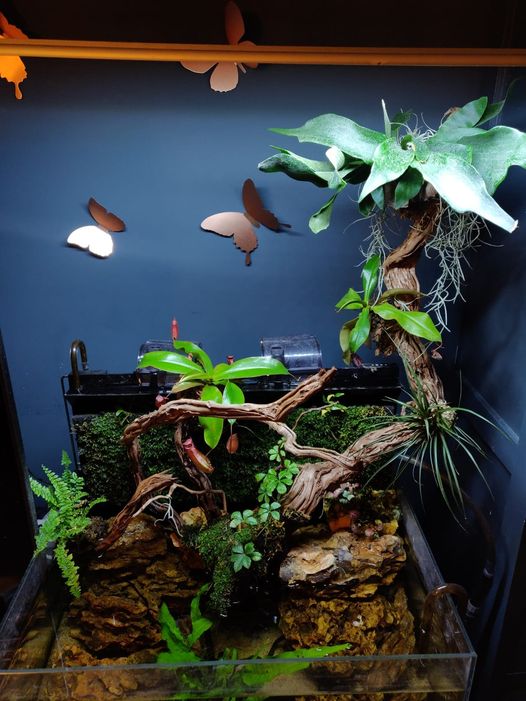
You choose the perfect piece of wood by arranging it in the store in the way you want to scape it in your aquarium. You can do this with various decor pieces until you've decided how you want to position it in the aquarium. Some aquarium stores also have a gravel pit where you can create a hardscape. This is the perfect place to see if the aquarium wood suits your needs.
Should you soak aquarium wood, and if so, for how long?
Aquarium wood can be tricky to work with at first because it floats. In this case, you can soak it in a bucket of water for 24-48 hours. Simply soaking it is sufficient; there's no need to boil the wood, as that will destroy the wood structure.
You can also choose to soak the wood for one to two weeks. You then refresh some of the water in the bucket daily to remove most of the brown tannin from the wood. Some people find brown water unappealing, but this is actually very beneficial for water quality.
When we have aquascapes made, we always soak the wood ourselves. We do this to ensure that the wood sinks when we install it. It would be a shame if we've just finished making your scape and all the wood starts to float.
Why does aquarium wood make aquarium water brown?
The water turns brown because various tannins have accumulated in the wood. These tannins slowly release from the wood as soon as they come into contact with water. Tannins are simply decomposed organic matter. These tannins have a positive effect on the aquarium water.
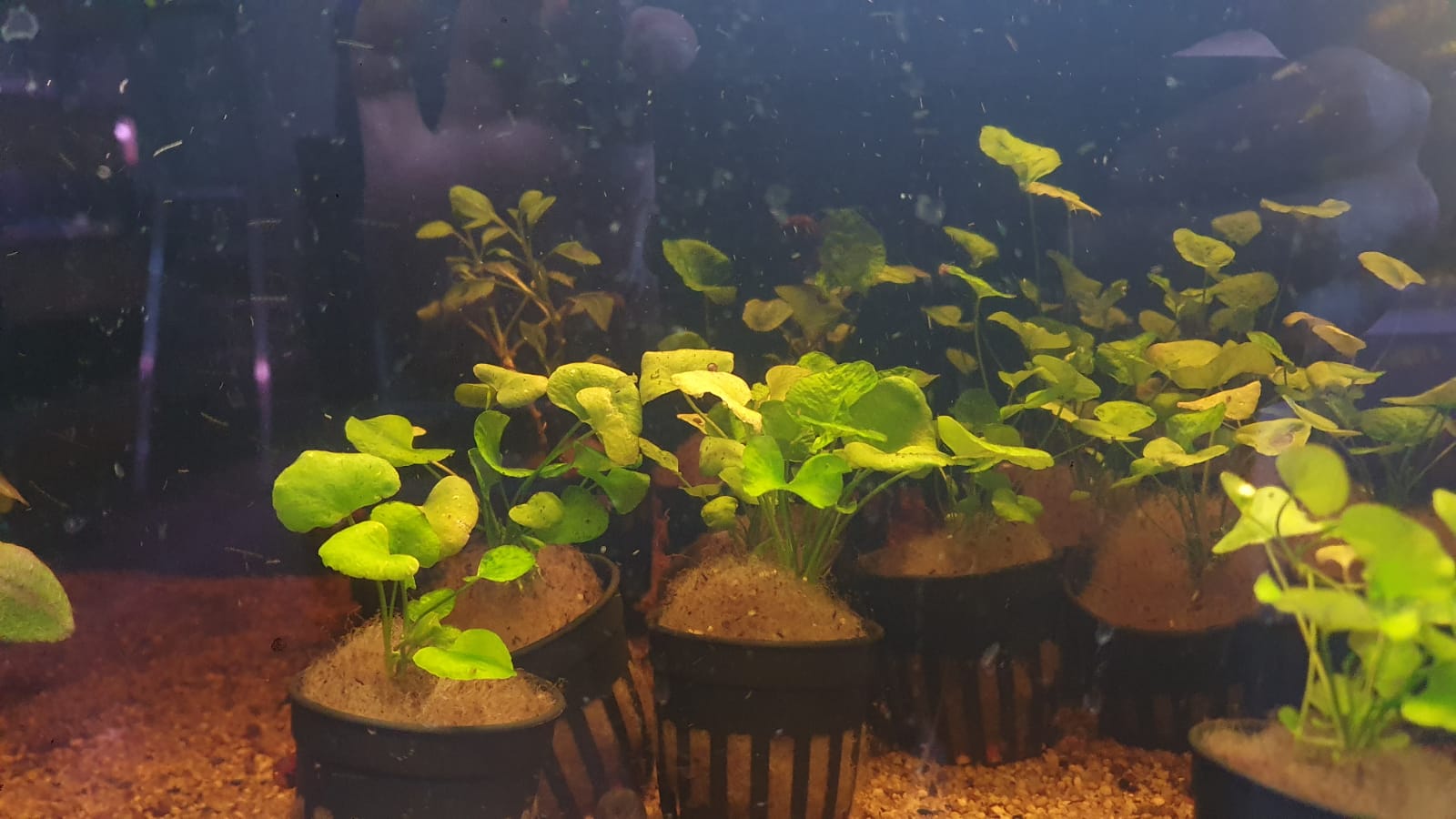
How do you prevent brown water from aquarium wood?
Brown water is almost impossible to prevent when using real aquarium wood. It is easily treated by filtering through activated carbon or by changing the water. Over time, the aquarium wood will no longer produce brown water. This can take anywhere from one to about six months.
Is white mold on spider wood harmful?
When spiderwood is first introduced into an aquarium, it forms a soft white mold around the wood. This is harmless and disappears on its own. Shrimp, corydoras, and other fish also consume the mold.
You can remove the white mold manually by cleaning it with an aquarium sponge or briefly holding the wood under running water. This isn't necessary, as the white mold will disappear on its own.
In shrimp aquariums, I always leave the white mold alone because it's full of nutrients for all the shrimp. The dwarf shrimp eat all the white mold on their own. Once the white mold is gone, it won't come back.
Can you use natural wood for the aquarium?
Many natural woods still contain bark and mold. As soon as you put this in your aquarium, the wood will rot and become slimy, throwing your aquarium out of balance. That's why I would never use natural wood for my aquariums.
There's a reason why special aquarium wood like bogwood is offered. It's been buried in peat for years, making it completely hard and strong. The wood is then fully dried, killing all mold, bacteria, and bugs. That's why you can be almost certain that the wood you buy in a store is safe for your aquarium. Natural wood hasn't, and it will quickly rot and negatively impact your aquarium's ecosystem.
Driftwood for shrimp and L-numbers
Aquarium wood is particularly well-suited for dwarf shrimp and L-type shrimp. A layer of beneficial substances and microbes accumulates on this wood. Baby shrimp eat this layer off the wood, making aquarium wood an endless source of food for shrimp.
For algae eaters, it's essential to have driftwood in the aquarium. They need the nutrients in the wood for their digestion. Without these nutrients, they can't properly digest their food, and the algae eater will die.
Do you have experience keeping real aquarium wood in an aquarium? Share your tips or experiences in the comments below.


